
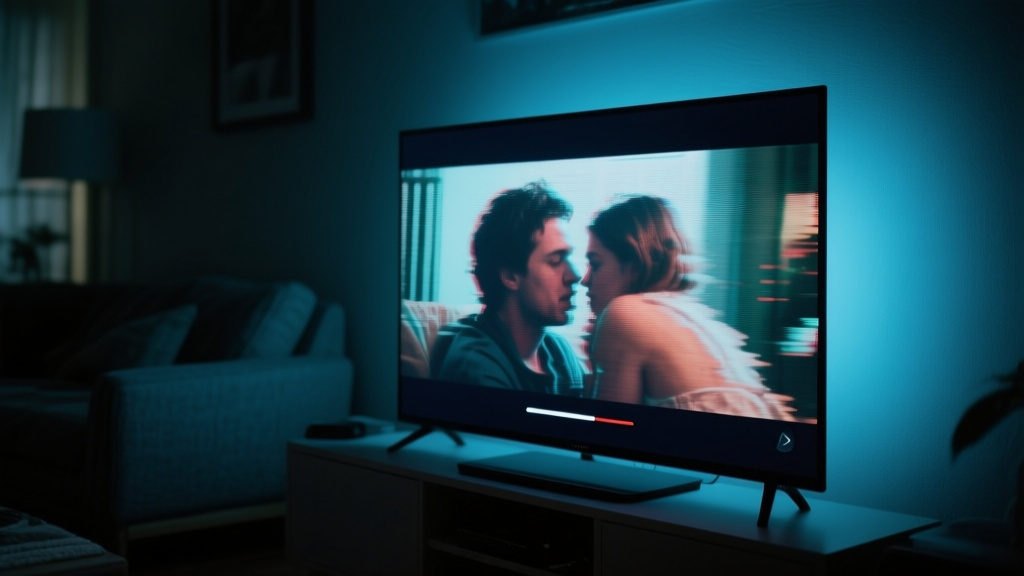
A high-contrast close-up of a smart TV screen in a dimly lit living room, displaying a paused, intimate moment from a user's private viewing (e.g., a📷 Photo by Tech&Space
- ★Smart TVs screenshot
- ★Block tracking methods
- ★Privacy settings matter
Smart TVs are taking screenshots of everything users watch, according to available information. This tracking behavior is often overlooked by users, but it has significant implications for their privacy. The worst of it can be shut down using a few privacy settings, but many users are unaware of this option.
Methods to block the screenshotting behavior on smart TVs do exist, and they can be implemented by users who value their privacy. For instance, users can disable the 'Automatic Content Recognition' (ACR) feature on their smart TVs, which is often used to track their viewing habits. Additionally, users can opt-out of data collection by changing their TV's privacy settings, as suggested by XDA Developers.
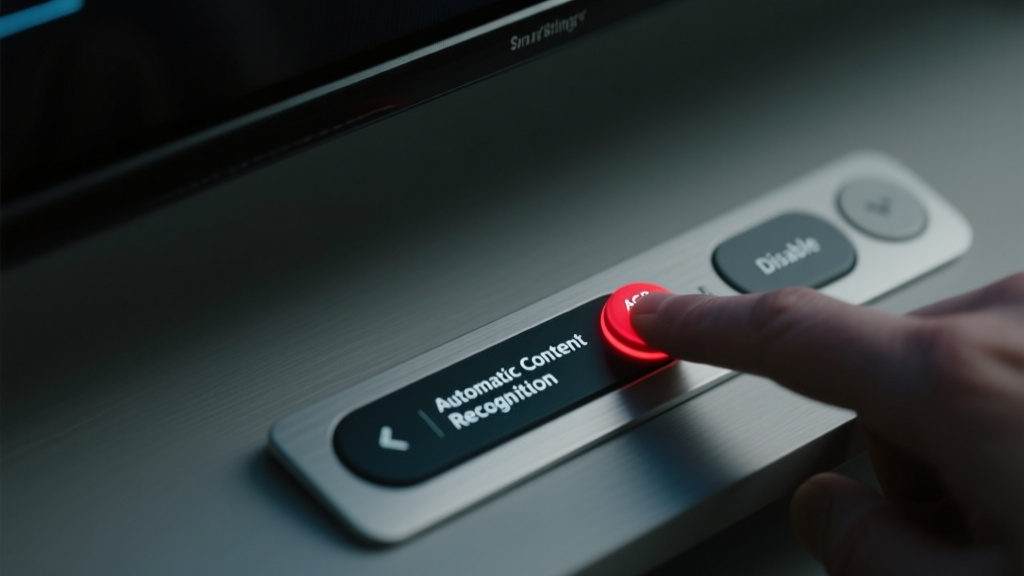
No text, no labels, no UI elements in image. A close-up of a smart TV settings menu on a brushed aluminum interface, with the 'Automatic Content📷 Photo by Tech&Space
The real-world gap that specs don't show
The fact that smart TVs may be tracking user activity more than users realize is a concern for many. This is especially true given the lack of transparency from TV manufacturers about their data collection practices. As noted by The Verge, the lack of clear guidelines on data collection and usage can lead to confusion among users.
In other words, the real signal here is that users need to be more aware of their smart TV's privacy settings and take steps to protect their data. As Wired points out, this is not just a matter of individual privacy, but also has broader implications for the industry as a whole. The ecosystem effects of smart TV tracking can be significant, and users should be aware of the potential consequences of their viewing habits being monitored.