
Gemma 4: Google’s quiet play for the edge AI throne

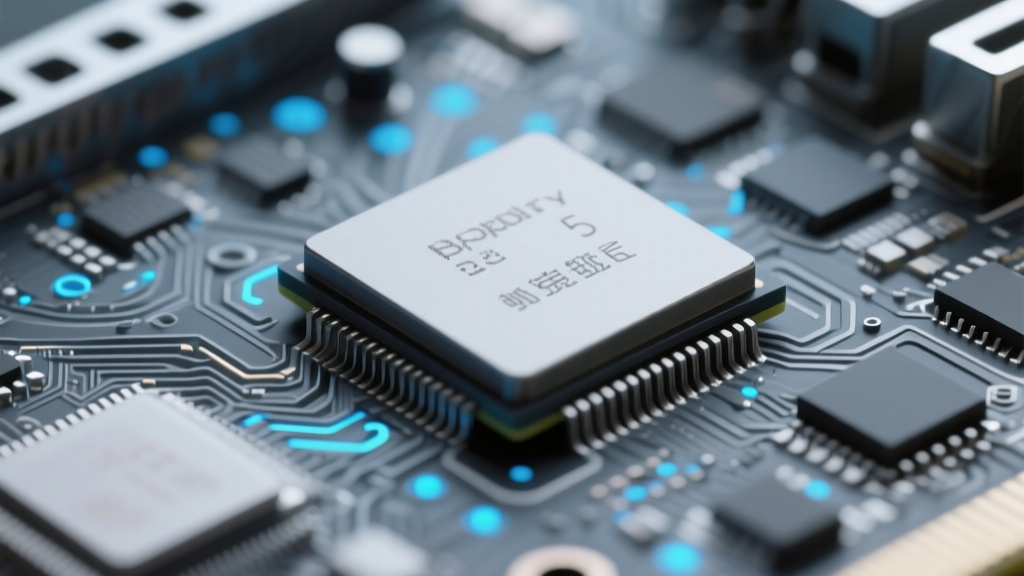
Macro photography of a Raspberry Pi 5 motherboard under cool neutral light, extreme shallow depth of field isolating the CPU and memory chips,📷 Photo by Tech&Space
- ★Apache 2.0 license enables commercial use
- ★Multimodal AI runs offline on phones and Pi
- ★No benchmarks yet—just marketing promises
Google just dropped Gemma 4 under Apache 2.0, a rare move for a model this capable—and one that instantly turns phones, Raspberry Pis, and on-prem servers into AI workhorses without cloud dependency. The announcement frames it as a democratization win, but the real shift is strategic: Google is betting that local multimodal AI will become the default for edge deployments, and it wants developers building on its stack before competitors like Meta’s Llama or Mistral’s next release can lock in the market.
The timing is no accident. Just weeks after Llama 3.1’s 405B parameter model dominated headlines, Gemma 4 arrives with a deliberately ambiguous pitch: “powerful local AI” with no benchmarks, no model size, and no hardware requirements disclosed. The community is already dissecting the GitHub repo for clues—early reports suggest it’s optimized for efficiency over raw power, but specifics remain scarce. What’s clear is the license: Apache 2.0 removes the usual Google restrictions, allowing commercial use without the copyleft strings of GPL or the ambiguity of Meta’s custom licenses.
For developers, this is a green light to experiment. For enterprises, it’s a signal that Google is serious about cornering the edge AI market—not just through cloud APIs, but by embedding its models into the hardware ecosystem before others catch up.
A single empty server rack slot in a large darkened data center, one small blinking electric blue indicator light the only illumination, soft📷 Photo by Tech&Space
The real story isn’t the open-source label—it’s who Google left out of the hype
The competitive implications are sharper than the technical ones. Google’s cloud division has spent years pushing Vertex AI and Gemini as the default choice for enterprise AI, but Gemma 4’s offline capability threatens to undercut that narrative. If developers can run capable multimodal models locally with minimal latency, why pay for cloud inference? The move also puts pressure on startups building edge AI tooling—companies like Edge Impulse or TinyML specialists—who now face a free, Google-backed alternative.
The hype gap here is glaring. ZDNet’s coverage focuses on the “powerful local AI” claim, but absent benchmarks or real-world testing, it’s impossible to verify. Early community reactions on Hacker News and Reddit are cautiously optimistic, but the lack of transparency around model size and performance metrics feels like a deliberate omission. Google’s track record with benchmarking—think TensorFlow vs. PyTorch debates—suggests we shouldn’t hold our breath for third-party validation.
The real winners? Raspberry Pi enthusiasts and phone app developers, who suddenly have a high-profile, license-friendly model to build with. The losers? Cloud providers and smaller open-source projects that can’t compete with Google’s distribution muscle. The broader AI ecosystem gains a new tool, but the question remains: is Gemma 4 a genuine step forward, or just a well-timed chess move in the AI infrastructure wars?