
Broadcom’s TPU pipeline fuels Anthropic’s $30B growth claim
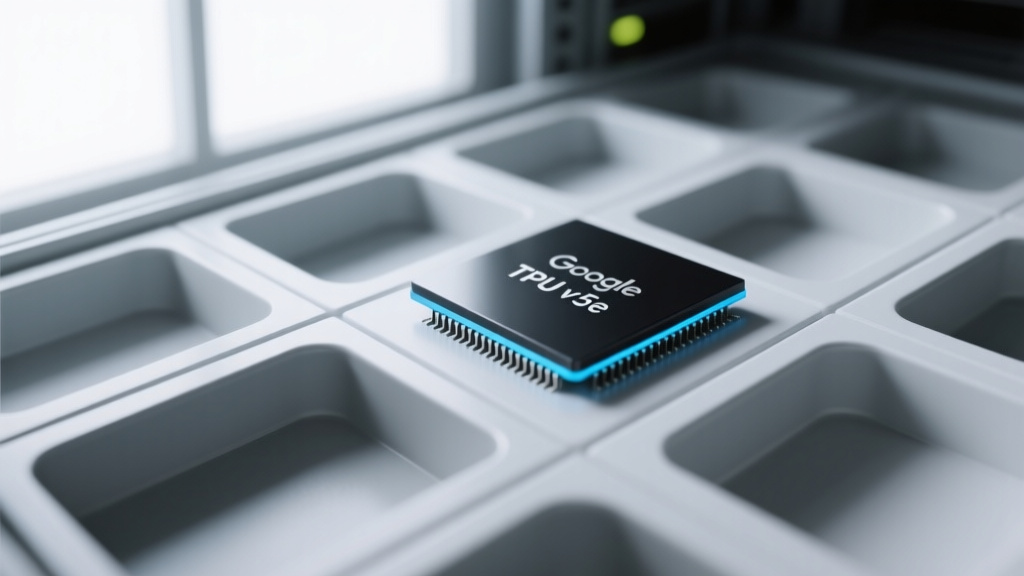
Broadcom’s TPU pipeline fuels Anthropic’s $30B growth claim📷 Published: Apr 23, 2026 at 16:23 UTC
- ★3.5 GW TPU supply deal from 2027
- ★Anthropic’s revenue run rate hits $30B
- ★Broadcom acting as reseller or integrator
Broadcom’s latest securities filing isn’t just another vendor announcement—it’s a bet on whether Anthropic’s Claude models can sustain enterprise-class demand. The chip giant will deliver roughly 3.5 gigawatts of Google TPU capacity starting in 2027, a figure that sounds like a power plant’s output but in AI terms, translates to massive parallel compute. The deal lands as Anthropic claims a $30 billion annual revenue run rate, a number so large it demands immediate skepticism. According to the filing, the TPUs will power Claude, but the document doesn’t specify exclusivity, pricing, or duration. Still, the volume alone signals confidence in demand that may not yet exist in today’s market.
Google’s TPUs are custom silicon designed for training and inference at scale, making them the backbone of large language model operations. Broadcom’s involvement suggests it’s either reselling Google’s hardware or integrating it into custom solutions, a role that’s increasingly common as AI infrastructure consolidates. Early benchmarks show TPU v4 pods deliver up to 1.1 exaFLOPS with 4,096 chips, but real-world deployment rarely matches synthetic performance. The gap between theoretical capacity and actual utilization is where most AI projects stumble.
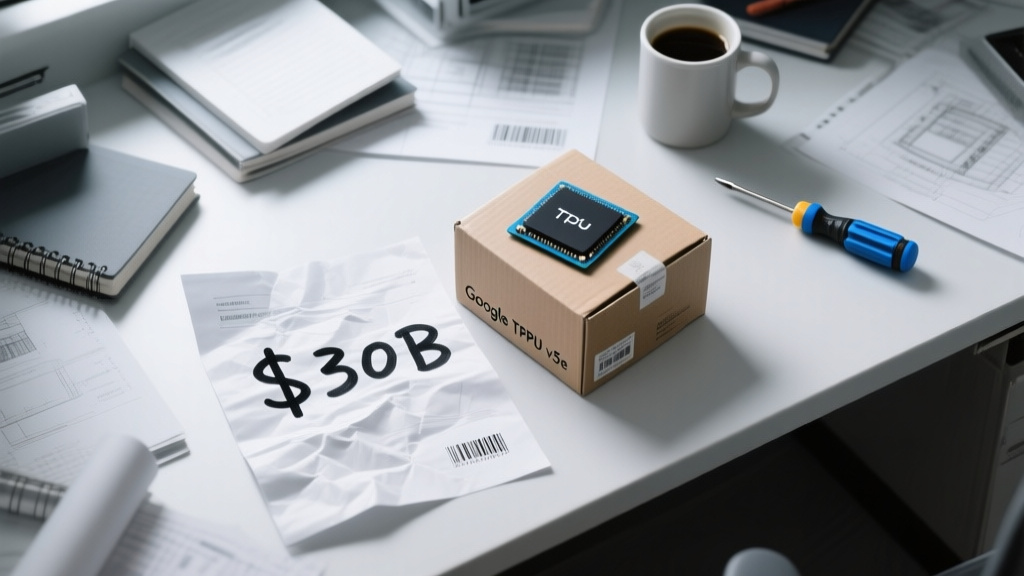
Compute capacity deal exposes scaling versus actual demand📷 Published: Apr 23, 2026 at 16:23 UTC
Compute capacity deal exposes scaling versus actual demand
Anthropic’s revenue claim, attributed casually to a "Claude pioneer" in headlines, lacks public verification. Even if the number holds, revenue isn’t the same as profit, and profit margins on AI compute remain thin. The deal’s 2027 timeline gives the company years to validate demand, but it also locks in hardware commitments that could become obsolete by then. Competitors like Mistral AI and Cohere are scaling rapidly without such aggressive bets on single-vendor hardware, raising questions about lock-in risks. For developers, the contract signals a preference for Google’s ecosystem, but it doesn’t guarantee better model performance or lower costs.
The real signal here is Broadcom’s willingness to front-load infrastructure bets on an unproven revenue run rate. If Anthropic’s models don’t scale as projected, the TPU pipeline could become stranded capacity. Meanwhile, Google gains a high-profile showcase for TPUs in production, and Broadcom secures a revenue stream from AI’s most hyped segment.
For enterprise buyers, the contract means one less supply chain headache but one more vendor dependency. The $30B run rate claim, if true, suggests Anthropic is winning the enterprise sell, but the gap between ambition and execution remains the industry’s favorite spectator sport.