
AI data centers’ emissions may rival entire nations

AI data centers’ emissions may rival entire nations📷 Published: Apr 23, 2026 at 16:13 UTC
- ★OpenAI, Meta, xAI, Microsoft data centers
- ★129M tons annual emissions
- ★AI growth outpaces climate goals
The AI boom isn’t just reshaping the tech industry—it’s reshaping the planet’s climate trajectory. Four of the biggest players—OpenAI, Meta, xAI, and Microsoft—could collectively emit more than 129 million tons of greenhouse gases annually, according to a report citing emerging infrastructure data. That’s roughly the annual carbon footprint of Argentina or the Netherlands, a scale that forces a reckoning with the environmental cost of artificial intelligence’s rapid expansion.
It’s not just a hypothetical anymore. Early signals suggest these emissions are accelerating faster than previously modeled, with data centers dedicated to AI workloads consuming energy at rates that outpace even the most optimistic efficiency gains. Microsoft and Meta, for all their public commitments to carbon neutrality, now face scrutiny over whether their sustainability pledges are keeping pace with their infrastructure buildouts—a gap that’s becoming harder to ignore as the AI arms race intensifies.
What’s less clear? The fine print. Industry analysts warn that the 129M ton figure may exclude indirect emissions like electricity generation or supply chain impacts, a blind spot that could make the true climate toll even steeper. Then there’s the elephant in the room: AI companies’ reliance on renewable energy credits (RECs) to offset emissions, a practice critics argue masks the real environmental damage behind their growth strategies.
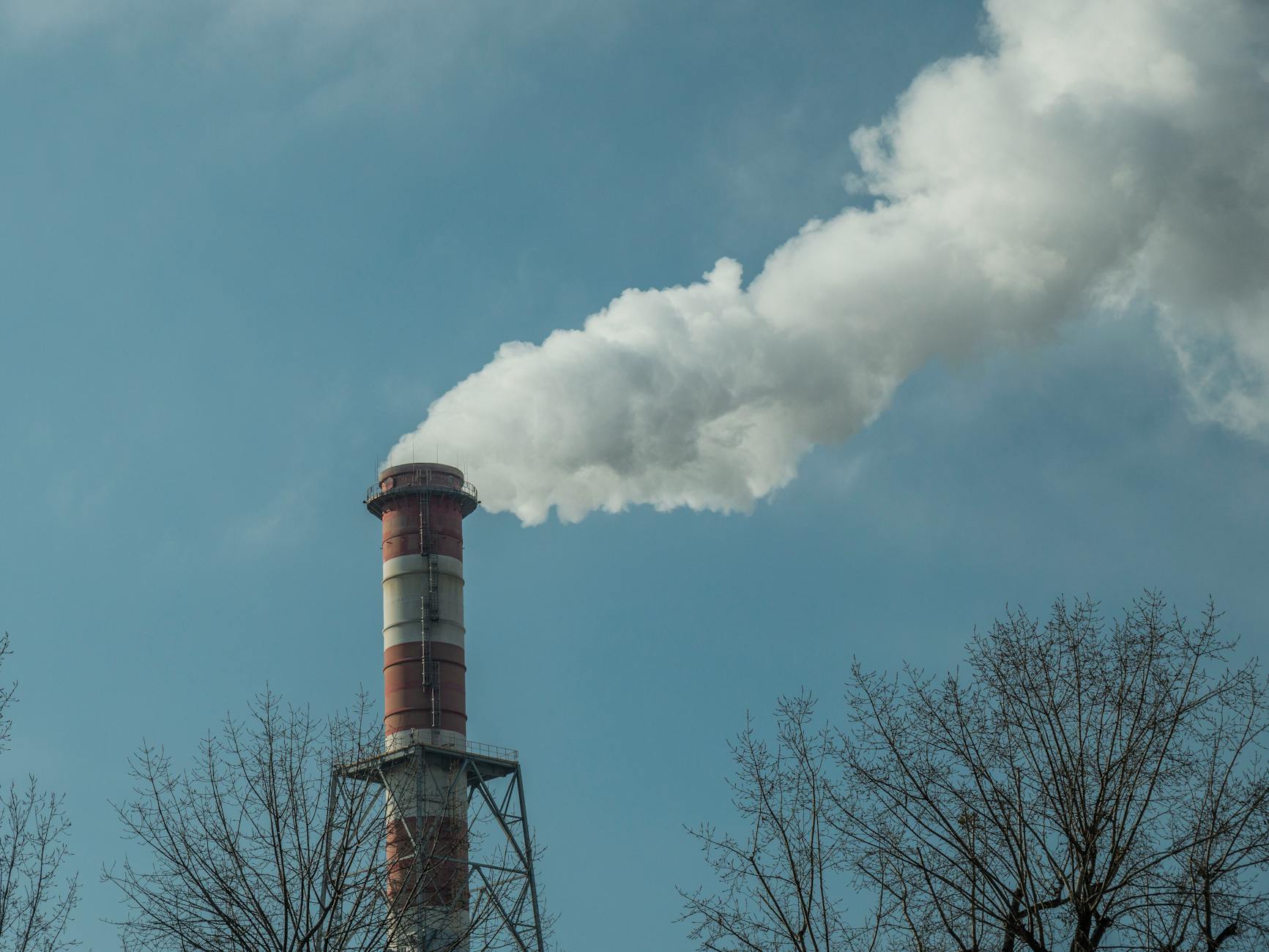
The environmental trade-off behind AI’s exponential growth📷 Published: Apr 23, 2026 at 16:13 UTC
The environmental trade-off behind AI’s exponential growth
The strain isn’t theoretical. Data centers optimized for AI training and inference now account for a growing share of global electricity demand, with hyperscalers racing to secure power contracts before regulators can impose stricter caps. Early signals suggest these centers could gobble up as much as 1.5% of the world’s electricity by 2030 if current trends hold—a figure that would make AI’s carbon footprint a top-tier climate concern.
For the companies involved, the pressure is on to prove their green commitments aren’t just PR. Microsoft and Meta have both pledged net-zero goals, but their progress remains inconsistent. Meanwhile, regulators in the EU and U.S. are tightening reporting standards, leaving these firms exposed to carbon pricing schemes that could upend their current energy strategies. The real signal here isn’t just scale—it’s whether the industry can pivot from growth-at-all-costs to sustainable innovation without sacrificing its competitive edge.
Or perhaps the question we should ask is simpler: Can AI’s tailwinds outrun its climate headwinds? The next decade will decide whether today’s emissions forecasts are a blip—or the new normal.
In other words, the AI gold rush has a lead problem. And no amount of PR gloss can polish that particular tarnish. The industry’s greenwashing problem isn’t about bad intentions—it’s about bad accounting.