
Spacedb#3266

Artemis 2 crosses lunar sphere as Moon return begins
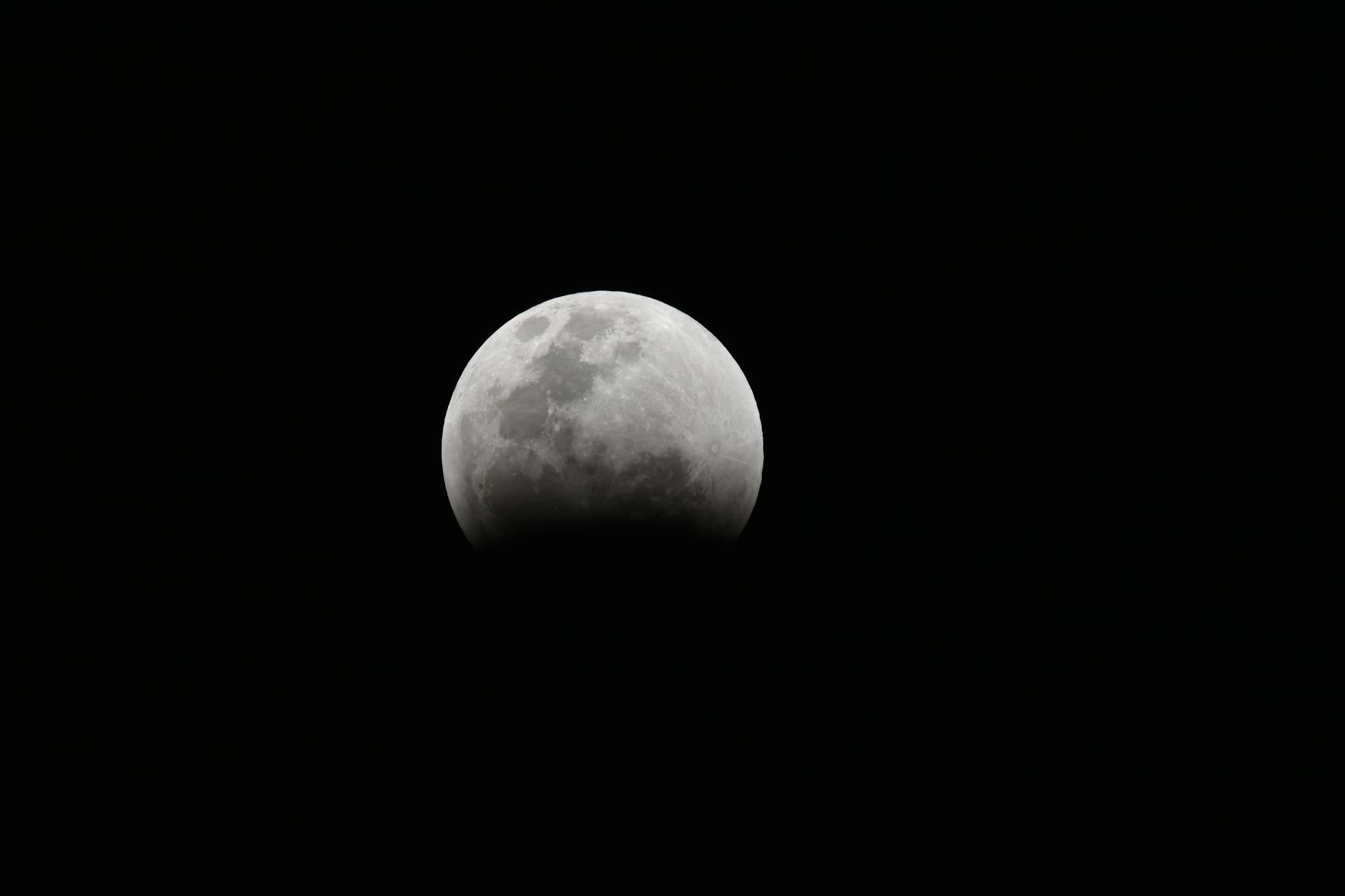
(19h ago)
Lunar Gravitational Sphere (Moon's Orbit), Outer Space
space.com
Artemis 2 crosses lunar sphere as Moon return begins

Artemis 2 crosses lunar sphere as Moon return begins📷 Published: Apr 23, 2026 at 14:08 UTC

  • Artemis 2 enters lunar sphere of influence
  • First crewed lunar proximity in 52 years
  • Gateway to sustained human Moon missions

NASA’s Artemis 2 crew crossed into the lunar sphere of influence at 02:04 UTC on April 6, 2024, marking their first arrival in the gravitational realm of Earth’s only natural satellite. The crossing came 80 hours after launch from Kennedy Space Center, placing the Orion spacecraft under the moon’s gravity for the first time since Apollo 17’s return in December 1972. According to NASA mission control commentary, the crew—Reid Wiseman, Victor Glover, Christina Koch and Jeremy Hansen—felt the subtle tug of lunar mass as their trajectory bent around the far side. Mission planners note this boundary crossing is not a rendezvous but the start of a progressive capture that will guide Orion into a high Earth orbit ahead of its planned lunar flyby.

This inbound arc is the second critical burn of the mission: the first was trans-lunar injection on day one, and the next will be the powered lunar flyby on day six. The spacecraft’s propulsive corridor must thread the 60,000-kilometer-wide sphere with centimeters-per-second precision to avoid either overshooting or lingering too long in unstable orbits.
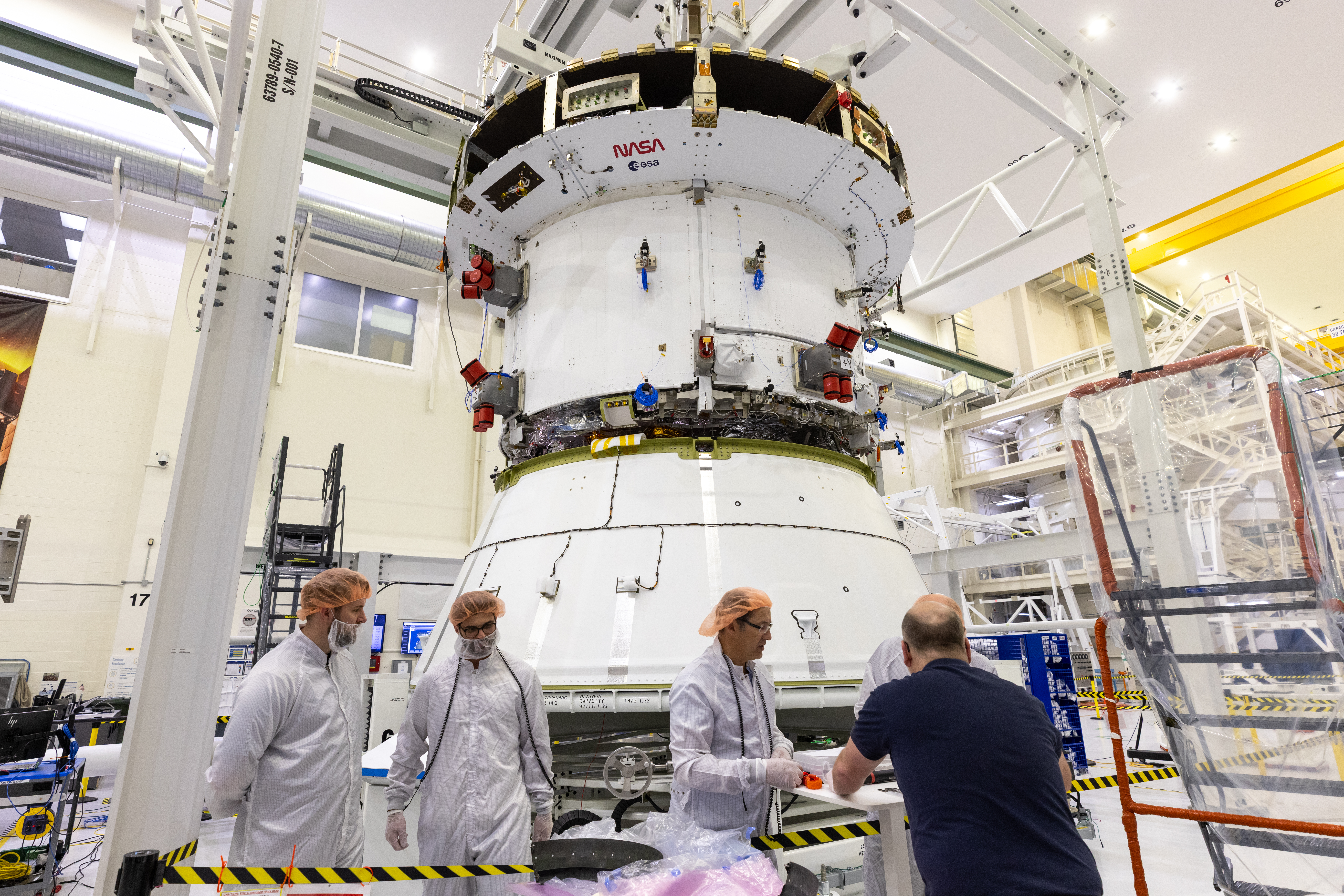
A gravitational bridgehead for the Artemis campaign

A gravitational bridgehead for the Artemis campaign📷 Published: Apr 23, 2026 at 14:08 UTC

A gravitational bridgehead for the Artemis campaign

Inside the Artemis timeline, this gateway moment aligns with the program’s goal of establishing a sustainable presence near the Moon before the 2026 Artemis 3 lunar landing. NASA’s Lunar Gateway, a small station in near-rectilinear halo orbit, is already under construction and slated for launch in late 2025. The Gateway will serve as a staging point for surface sorties, but Orion must prove it can navigate the lunar sphere reliably for crewed dockings. Early telemetry shows Orion’s heat shield and avionics performing within margins, a relief following the thermal stress tests during Artemis 1.

Yet the mission’s true test arrives during the powered lunar flyby, when Orion will fire its main engine for 195 seconds while hidden behind the Moon. This burn will accelerate the craft back toward Earth, a critical propulsive leap that must execute autonomously. If successful, it will set up the December 2024 splashdown. The community is already parsing every telemetry packet for anomalies, reinforcing a pattern seen during Artemis 1 when public forums buzzed with minute-by-minute updates.

The real signal here is that Orion’s systems have now survived the gravitational threshold, a prerequisite for sustained crewed missions to the Gateway and beyond. Reliable lunar sphere navigation cuts propellant margins and tightens landing windows, directly influencing the cadence of future sorties.

Artemis II lunar flyby missionNASA deep-space human explorationMoon gravity assist trajectorySustainable lunar presence strategyOrion spacecraft performance
// liked by readers

//Comments

TECH & SPACE

Editorial intelligence for the frontier of technology — AI, Space, Robotics, and what comes next.

// Continuous publishing pipeline

// Mission

The internet drowns in press releases. We surface what actually matters — peer-reviewed breakthroughs, industry shifts, and signals that don't make headlines yet.

Updated around the clock.

© 2026 TECH & SPACE — All editorial content machine-verified.

Next.js · AI Pipeline · Open Source

AIGoogle’s 8th-gen TPUs and Agentic Enterprise playSpaceArtemis 2 crosses lunar sphere as Moon return beginsAIBroadcom’s TPU pipeline fuels Anthropic’s $30B growth claimGamingNvidia's odd 9GB RTX 5050 is a memory math problem nobody asked forAIAnthropic's Claude can now run your computer while you sleepTechnologyAustralia’s NEM flips: when power pays consumersAIAI data centers’ emissions may rival entire nationsTechnologyTesla’s FSD split leaves 4 million owners in the lurchAIChatGPT for Clinicians: Marketing edge or real edge?TechnologyBlockchain scams now haunt the Strait of HormuzAIX throws Communities out for Grok-curated feedsTechnologyTesla’s AI4.1 doubles chip memory — is HW4 next?AICyberpunk poetry jailbreaks AI safety filters 10–20x faster than direct requestsRoboticsHumanoid robots learn parkour to bridge lab and streetAIAI Scams Are Getting Scarily ConvincingRoboticsA&K Robotics raises $8M to push terminal autonomyAIClaude overtakes ChatGPT in fresh installsAIOne Photo, Zero Models: Simplifying Urban Solar ForecastingAIGoogle’s 8th-gen TPUs and Agentic Enterprise playSpaceArtemis 2 crosses lunar sphere as Moon return beginsAIBroadcom’s TPU pipeline fuels Anthropic’s $30B growth claimGamingNvidia's odd 9GB RTX 5050 is a memory math problem nobody asked forAIAnthropic's Claude can now run your computer while you sleepTechnologyAustralia’s NEM flips: when power pays consumersAIAI data centers’ emissions may rival entire nationsTechnologyTesla’s FSD split leaves 4 million owners in the lurchAIChatGPT for Clinicians: Marketing edge or real edge?TechnologyBlockchain scams now haunt the Strait of HormuzAIX throws Communities out for Grok-curated feedsTechnologyTesla’s AI4.1 doubles chip memory — is HW4 next?AICyberpunk poetry jailbreaks AI safety filters 10–20x faster than direct requestsRoboticsHumanoid robots learn parkour to bridge lab and streetAIAI Scams Are Getting Scarily ConvincingRoboticsA&K Robotics raises $8M to push terminal autonomyAIClaude overtakes ChatGPT in fresh installsAIOne Photo, Zero Models: Simplifying Urban Solar Forecasting
⊞ Foto Review