
Google’s 8th-gen TPUs and Agentic Enterprise play
Google’s 8th-gen TPUs and Agentic Enterprise play📷 Published: Apr 23, 2026 at 16:25 UTC
- ★8th-gen TPUs unveiled at Cloud Next ’26
- ★Agentic Enterprise bundles AI tools
- ★Workspace AI layer integrates smarter automation
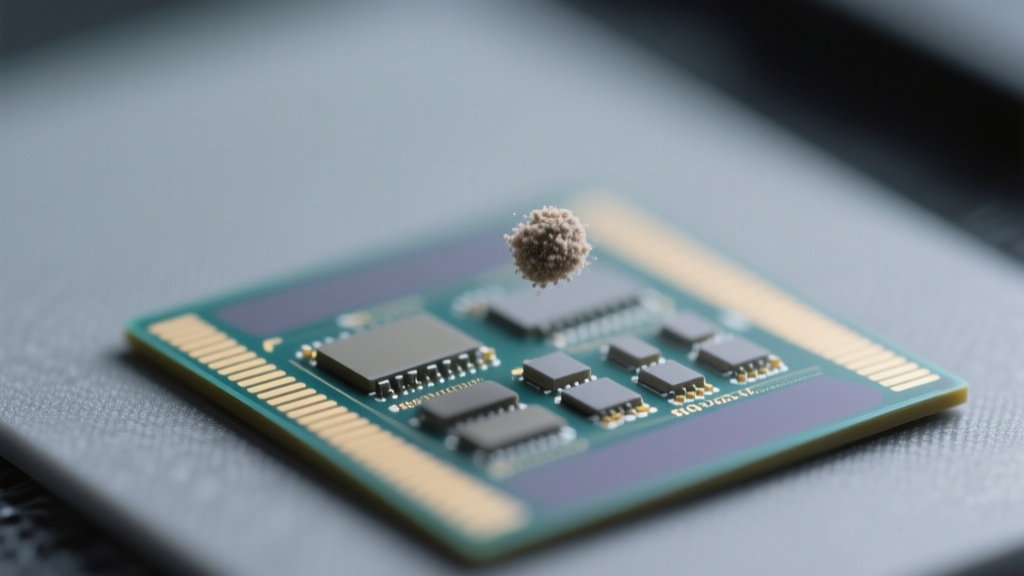
Google’s Cloud Next ’26 doubled down on AI infrastructure with three headline moves: eighth-generation Tensor Processing Units (TPUs), a refurbished agent platform, and a Workspace AI layer sold under the catch-all ‘Agentic Enterprise’ banner. According to Google’s own blog, the v8 TPUs are the headline act, promising raw throughput uplift over the prior-gen v7 boards used across cloud and on-prem pods. The revamped agent platform promises deeper hooks into tools like Vertex AI and Apigee, while the Workspace AI layer drops smarter meeting notes and email summaries directly into Docs, Drive, and Gmail.
Initial specs are sparse, but leaks and analyst chatter reported in The Information suggest a 30% efficiency bump versus v7 chips when running transformer workloads. If confirmed, that delta could matter less for cloud renters — who still face TPU pricing floors reported at ~$3.50 per hour for a full v7 pod — than for Google’s own AI-first customers who want lower inference latency without the NVIDIA GPU price tag.
Packaged hype meets partial progress📷 Published: Apr 23, 2026 at 16:25 UTC
Packaged hype meets partial progress
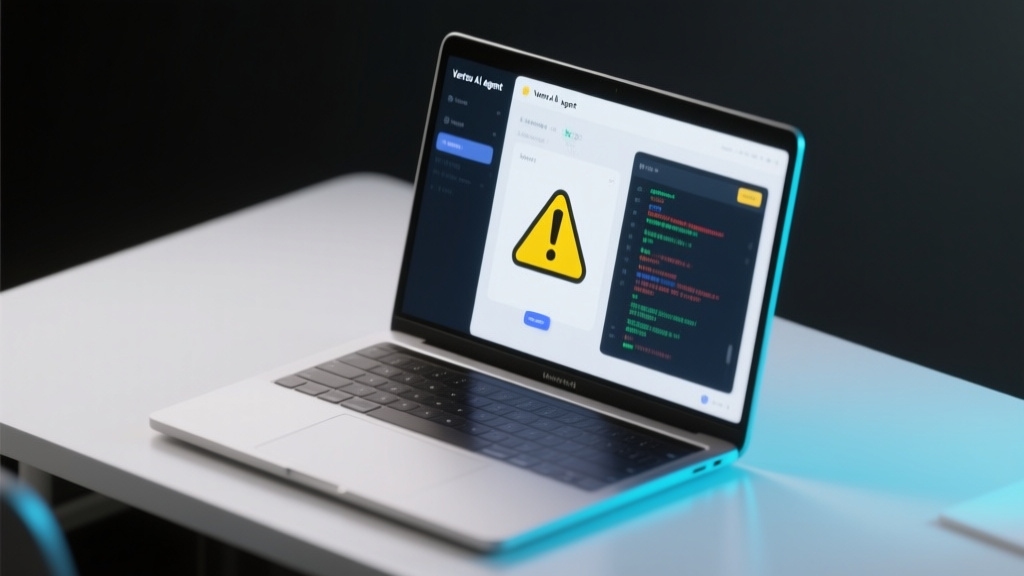
The ‘Agentic Enterprise’ framing glosses over the fact that two of the three pieces are iterative upgrades rather than moonshots. The Workspace AI layer is a functional expansion, not a rearchitecture, and the agent platform builds on prior Vertex AI agents rather than introducing a new paradigm. Google’s pitch hinges on tight integration: TPUs powering the inference behind the scenes, agents orchestrating workflows inside Workspace, and a single dashboard to rule them all. Yet integration alone rarely sells at enterprise scale unless the price-performance story is bulletproof.
Early adopters will measure success in cold numbers: query latency under load, cost per token, and whether the new agents actually cut manual labor without spawning new ops overhead. Until Google publishes independent audits or customer case studies, skepticism around ‘Agentic Enterprise’ remains a healthy default.
Exactly how much cheaper—or faster—will third-party audits show v8 TPUs to be? If the gains evaporate under real load, the ‘Agentic Enterprise’ hullabaloo may be little more than a glossy wrapper around last year’s chips.