
Nvidia's odd 9GB RTX 5050 is a memory math problem nobody asked for
Nvidia's odd 9GB RTX 5050 is a memory math problem nobody asked for📷 Published: Apr 23, 2026 at 12:08 UTC
- ★9GB VRAM on 96-bit bus
- ★28 Gbps GDDR7 upgrade
- ★RTX 5060 uses cut-down GB205
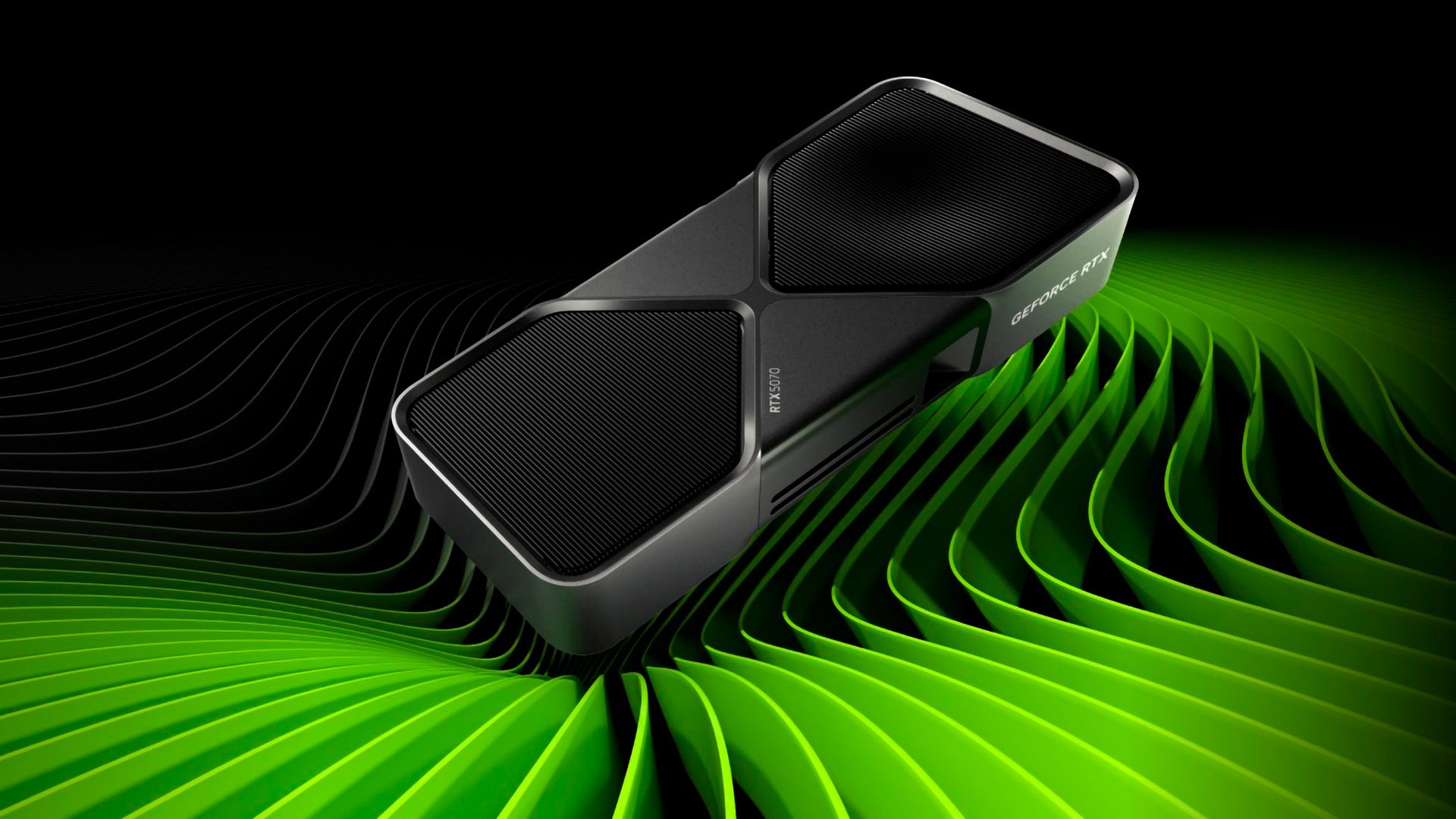
Nvidia's next budget GPU is shaping up to be a technical curiosity that could leave actual gamers scratching their heads. The rumored RTX 5050 swaps its predecessor's 8GB of GDDR6 for 9GB of GDDR7 running at 28 Gbps—a generational leap in memory technology that somehow lands in a weirder configuration than what came before.
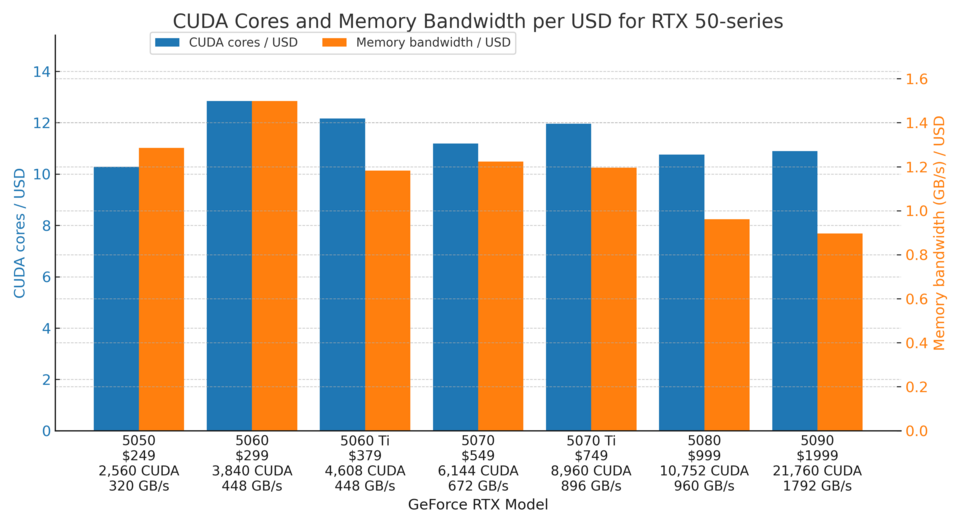
Here's the friction: that faster memory sits on a narrower 96-bit bus, down from 128-bit. The math works out to roughly 336 GB/s of theoretical bandwidth, which beats the old 5050's ~160 GB/s but trails the RTX 4060's 272 GB/s on a fuller bus. For 1080p gamers—the target audience—this creates genuine uncertainty about whether texture-heavy modern titles will cooperate. Games like Hogwarts Legacy and The Last of Us Part I have already demonstrated that 8GB is becoming a soft ceiling, and 9GB doesn't exactly inspire confidence as a long-term solution.
The RTX 5060 variant mentioned alongside it uses a cut-down GB205 die, suggesting Nvidia is aggressively binning its silicon to hit price tiers. This isn't unusual, but it signals that the mid-range stack is being squeezed from both ends—AMD's RDNA 4 pressure from below, and the need to differentiate from higher-tier cards above.
The spec sheet that plays worse than it reads📷 Published: Apr 23, 2026 at 12:08 UTC
The spec sheet that plays worse than it reads
Community reaction has been predictably skeptical. The 9GB figure reads like a compromise born of die constraints rather than player needs, and the 96-bit bus revival recalls the RTX 4060's similar regression that drew criticism at launch. Players remember when budget GPUs were straightforward value propositions; now they're parsing bus widths and memory compression algorithms to guess at real-world performance.
The deeper question is whether GDDR7's efficiency gains can offset the bus reduction in actual frame times. Early GDDR7 implementations promise better power characteristics and signal integrity, which matters for laptop variants where the 5050 will inevitably land. But desktop buyers tend to notice stuttering before they notice wattage, and uneven memory allocation across that odd 9GB capacity could create edge-case headaches.
There's also the naming convention to consider. The 5050 designation suggests this sits below the 5060, yet the memory technology leap creates positioning confusion. Nvidia's historical playbook—using memory config as a clear product differentiator—feels muddied here. The card that should deliver uncomplicated 1080p gaming instead arrives with footnotes.
For players still running GTX 1060s or RX 580s, this generation's entry point demands more technical homework than any predecessor—and that's before pricing enters the conversation.