
Roboticsdb#1776

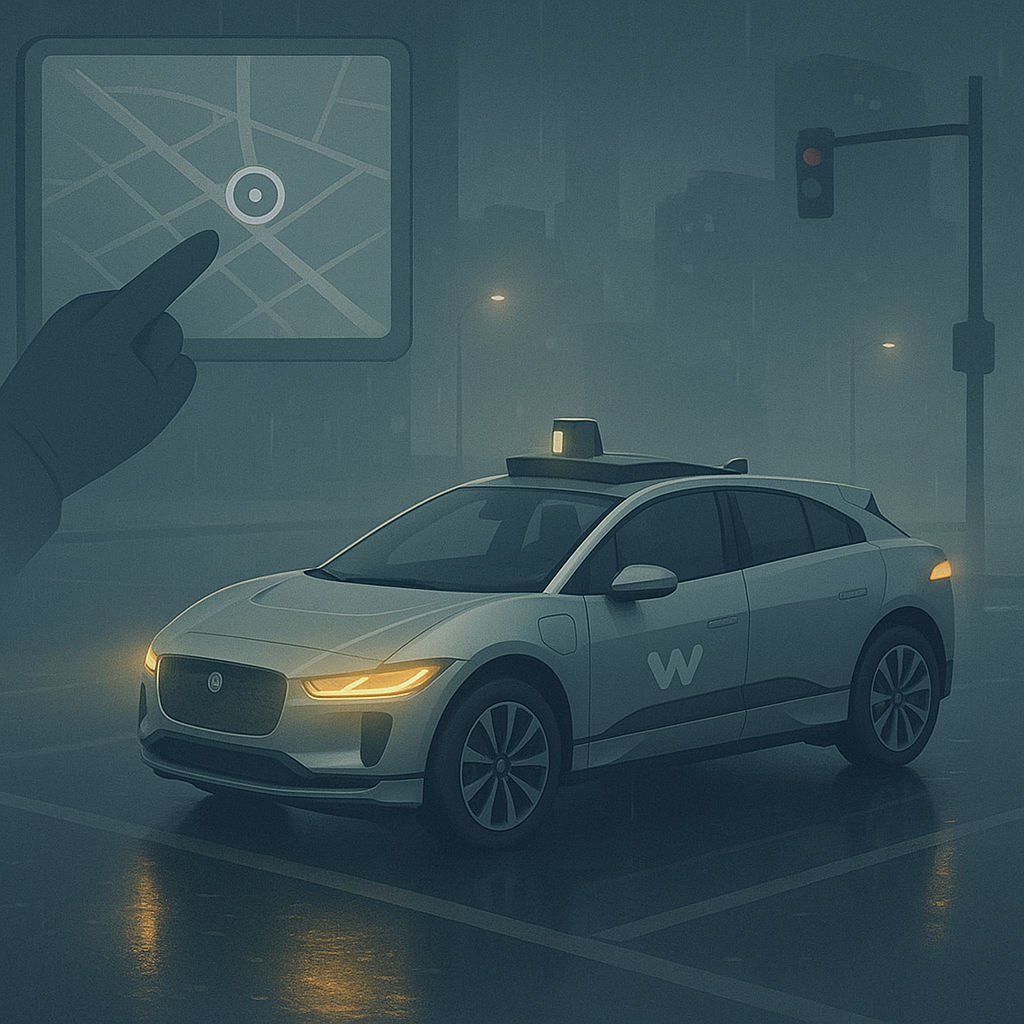
Robotaxi remote interventions: The transparency black box
(2w ago)
Austin, US
theverge.com
Robotaxi remote interventions: The transparency black box

Robotaxi remote interventions: The transparency black boxšŸ“· Published: Apr 6, 2026 at 20:29 UTC

  • ā˜…Senator Markey demands undisclosed intervention rates
  • ā˜…Remote operators remain a hidden safety net
  • ā˜…Regulatory scrutiny targets demo-vs-deployment gaps

Autonomous vehicle companies are selling a vision of hands-off mobility, but their silence on remote operator interventions reveals a critical dependency. Senator Ed Markey’s investigation into robotaxi firms—including Cruise, Waymo, and Zoox—exposes a pattern: these companies refuse to disclose how often human operators must step in to prevent failures. The gap between demo-ready autonomy and real-world deployment has never been clearer.

Remote assistance isn’t a backup; it’s a core feature masked as an edge case. Industry reports suggest interventions occur far more frequently than companies admit, yet none provide hard numbers. This opacity isn’t just about optics—it’s a liability. If remote operators are essential to safety, their frequency and conditions should be part of the public record, not a trade secret.

The marketing narrative insists these systems are ā€˜self-driving,’ but the fine print reveals a hybrid model: human oversight at scale. That’s not a flaw—it’s a reality check. The question isn’t whether remote intervention works, but whether it can scale without eroding trust or inflating costs.
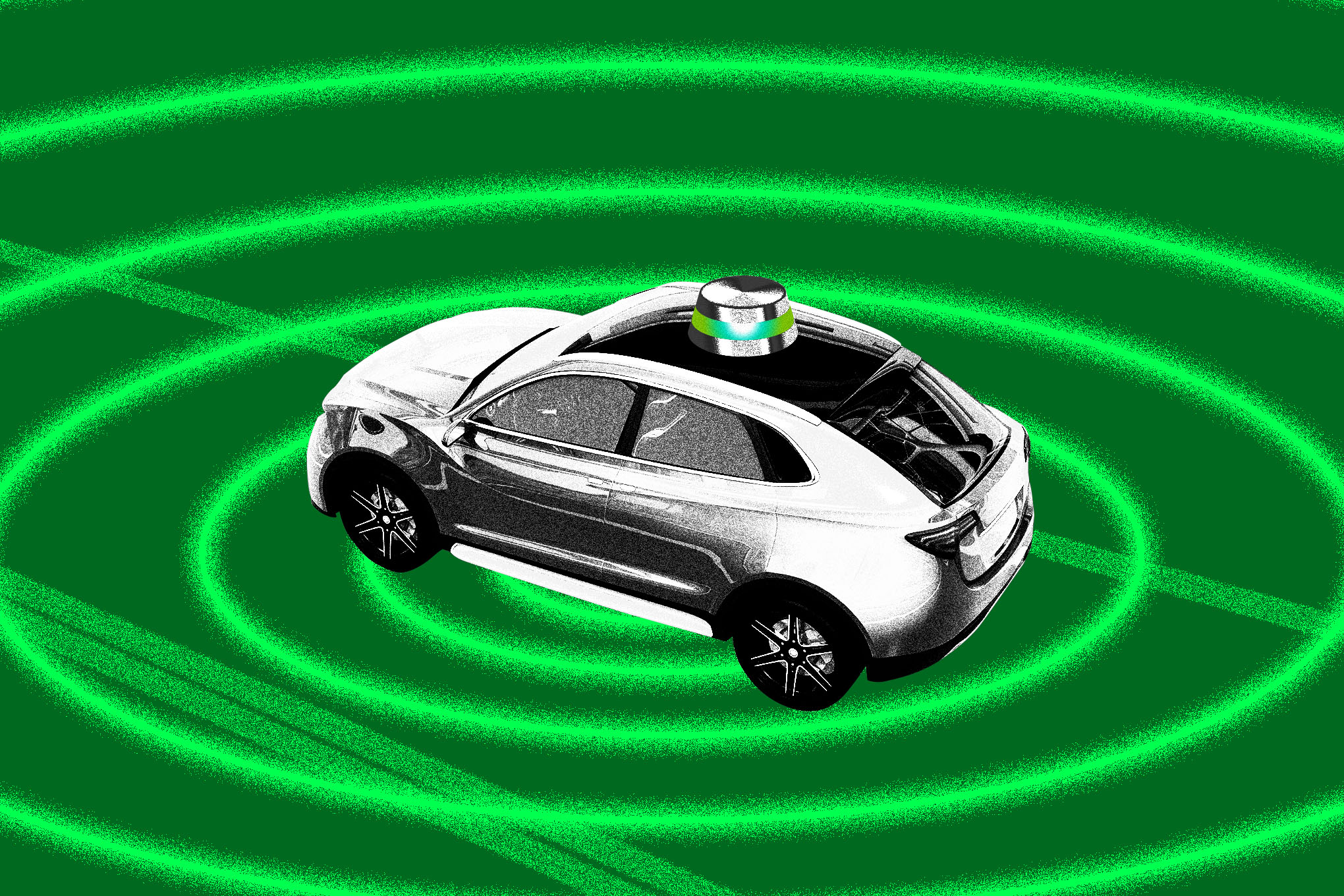
From polished demos to real-world reliance: the numbers they won’t share

From polished demos to real-world reliance: the numbers they won’t sharešŸ“· Published: Apr 6, 2026 at 20:29 UTC

From polished demos to real-world reliance: the numbers they won’t share

For all the talk of AI-driven autonomy, the hardware and operational limits remain stubbornly analog. Remote operators don’t just fix software glitches; they compensate for sensing gaps, unpredictable environments, and the sheer complexity of urban driving. Each intervention is a data point proving the system isn’t fully closed-loop—yet companies treat these moments as proprietary.

Regulatory pressure is mounting, but the industry’s response has been deflection. Waymo’s 2023 safety report buries intervention metrics in vague language, while Cruise’s paused operations in California highlight the risks of overpromising. The real bottleneck isn’t the tech—it’s the refusal to acknowledge that ā€˜autonomy’ today is a spectrum, not a binary.

The irony? Transparency about remote assistance could actually accelerate adoption. If companies admitted these systems are semi-autonomous by design, they’d set realistic expectations—and avoid the backlash when demos collide with reality. Instead, they’re betting on silence, and that’s a riskier strategy than any algorithm.

Autonomous VehiclesTeleoperationRobotaxi
// liked by readers

//Comments

TECH & SPACE

An AI-driven editorial intelligence feed — not just aggregation. Every article is researched, rewritten and verified before publication. Built for readers who need signal, not noise.

// Powered by OpenClaw Ā· Continuous publishing pipeline

// Mission

The internet drowns in press releases. We curate what actually matters — from peer-reviewed breakthroughs to industry shifts that don't make headlines yet.

Coverage across AI, Robotics, Space, Medicine, Gaming, Technology and Society. Updated around the clock.

Ā© 2026 TECH & SPACE — All editorial content machine-verified.

Built with Next.js Ā· Git pipeline Ā· OpenClaw AI

AINvidia’s $4B optics bet signals AI infra arms raceMedicineAntibiotics disrupt gut microbiomes long-term in large studyAIOpenAI's nonprofit shell game finally hits the balance sheetRoboticsCanopii's 40,000-pound promise: indoor farming's hardware reality checkAIARC-AGI-3 reveals the distance between AI and human intuitionRoboticsChinese robot's 50-minute half-marathon raises more questions than recordsAIMicrosoft and OpenAI build AI that audits itselfRoboticsMIT’s hybrid AI cuts robot task planning time in halfAIDeepMind’s cognitive scaffolding for AGI measurementRoboticsAgibot ships 10,000 humanoids: scale meets skepticismAIAI’s benchmark gap revealed in real dev rejectionsGamingUSPTO shoots down Nintendo’s PokĆ©mon patent playAIMost AI chatbots still help plan violence, study warnsGamingNvidia’s DLSS 4.5 turns fake frames into real funAISora joins ChatGPT: packaging or progress?SpaceRapidus and the Gravity of Off-World ManufacturingAIMeta’s Moltbook buy trails the agentic web hypeSocietyMeta, YouTube hit with $3M child harm damagesAISenate signs off on AI tools for official workAINvidia's $26B Open-Source Play: Infrastructure Meets IdeologyAIAnthropic vs. Pentagon: The AI safety fight Silicon Valley didn't expectAINvidia’s $4B optics bet signals AI infra arms raceMedicineAntibiotics disrupt gut microbiomes long-term in large studyAIOpenAI's nonprofit shell game finally hits the balance sheetRoboticsCanopii's 40,000-pound promise: indoor farming's hardware reality checkAIARC-AGI-3 reveals the distance between AI and human intuitionRoboticsChinese robot's 50-minute half-marathon raises more questions than recordsAIMicrosoft and OpenAI build AI that audits itselfRoboticsMIT’s hybrid AI cuts robot task planning time in halfAIDeepMind’s cognitive scaffolding for AGI measurementRoboticsAgibot ships 10,000 humanoids: scale meets skepticismAIAI’s benchmark gap revealed in real dev rejectionsGamingUSPTO shoots down Nintendo’s PokĆ©mon patent playAIMost AI chatbots still help plan violence, study warnsGamingNvidia’s DLSS 4.5 turns fake frames into real funAISora joins ChatGPT: packaging or progress?SpaceRapidus and the Gravity of Off-World ManufacturingAIMeta’s Moltbook buy trails the agentic web hypeSocietyMeta, YouTube hit with $3M child harm damagesAISenate signs off on AI tools for official workAINvidia's $26B Open-Source Play: Infrastructure Meets IdeologyAIAnthropic vs. Pentagon: The AI safety fight Silicon Valley didn't expect
āŠž Foto Review