
Bennu’s Boulders Aren’t Sand—They’re a Clue to Asteroid Survival
Bennu’s Boulders Aren’t Sand—They’re a Clue to Asteroid Survival📷 Published: Mar 25, 2026 at 12:00 UTC
- ★Boulder cracks mimic sand, reshaping erosion theories
- ★OSIRIS-REx samples reveal Bennu’s unexpected resilience
- ★Thermal fracturing explains surface anomalies without water
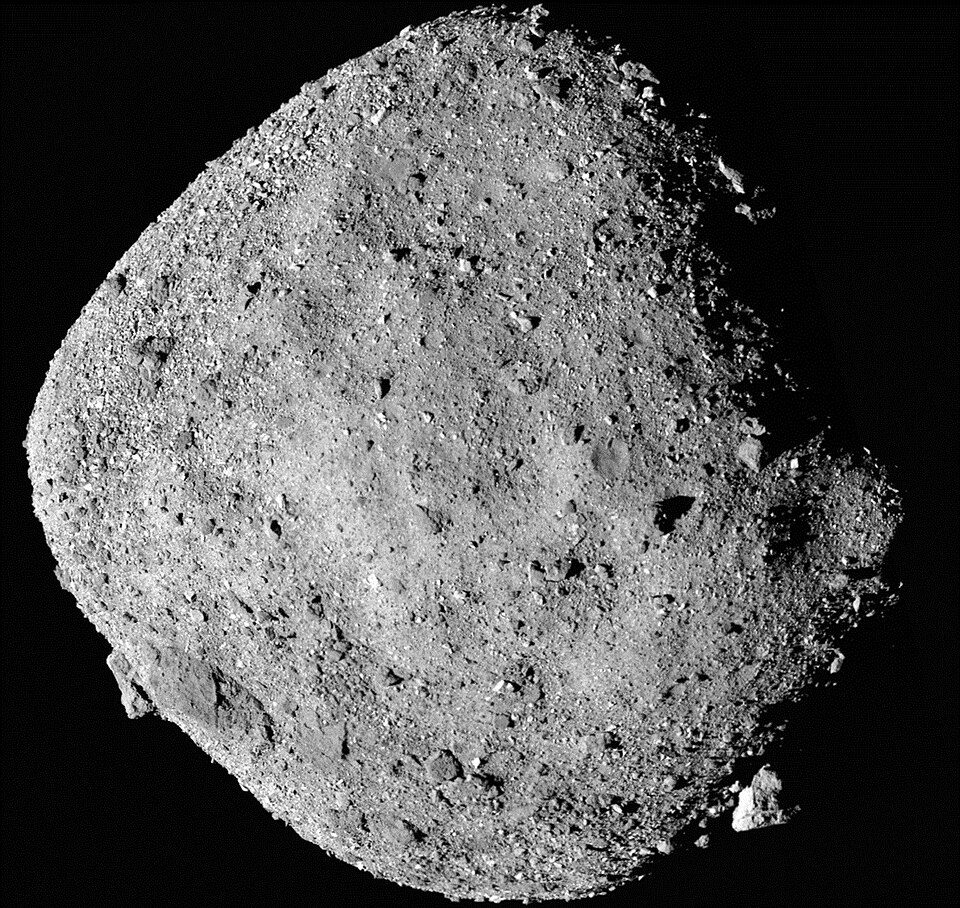
When NASA’s OSIRIS-REx mission returned samples from the asteroid Bennu in 2023, researchers expected to study primordial dust. Instead, they found something far more revealing: the boulders strewn across Bennu’s surface weren’t just cracked—they were behaving like sand. New analysis published in Sky & Telescope confirms these fractures aren’t signs of weakness but evidence of a dynamic survival mechanism, one that could redefine how we understand asteroid longevity in the inner solar system.
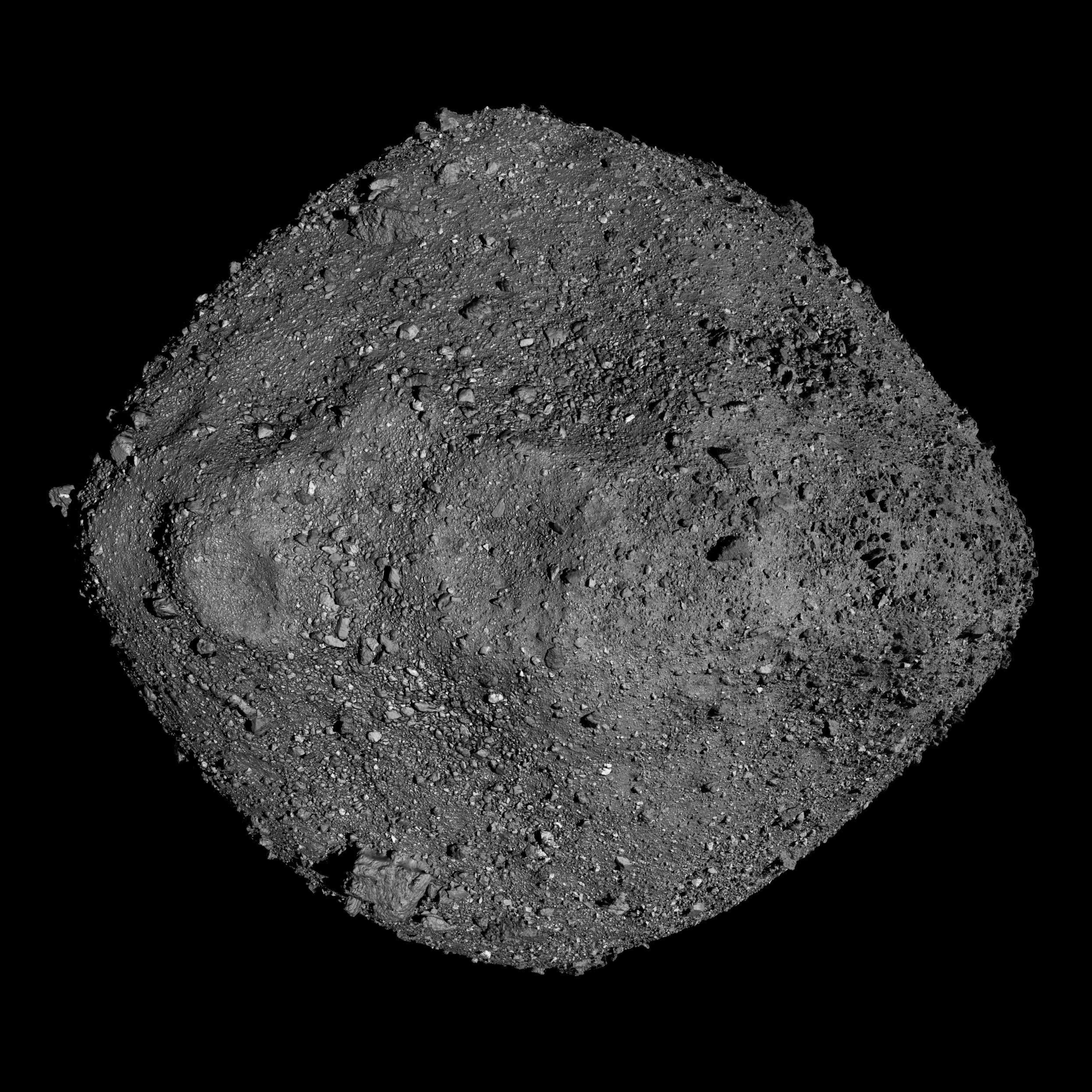
The cracks, initially mistaken for granular regolith in remote observations, are now identified as thermal fatigue fractures. Unlike Earth’s erosion-driven landscapes, Bennu’s boulders split under the extreme temperature swings of its 4.3-hour rotation—from 127°C in sunlight to -73°C in darkness. This process, termed thermal fracturing, generates debris that mimics fine-grained material without requiring water or atmospheric weathering. "It’s not that the asteroid is falling apart," notes Dante Lauretta, OSIRIS-REx principal investigator. "It’s actively replenishing its surface."
This distinction matters. For decades, planetary scientists assumed small, airless bodies like Bennu would either retain pristine, unaltered surfaces or degrade into rubble piles. Bennu’s fractures suggest a third path: a self-sustaining cycle where thermal stress continuously refreshes the top layer, preserving the asteroid’s structure while confusing telescopic analysis. The implications stretch beyond Bennu itself.
The confirmation that rewrites small-body geology textbooks📷 Published: Mar 25, 2026 at 12:00 UTC
The confirmation that rewrites small-body geology textbooks
The discovery aligns with a broader shift in small-body science. Data from Japan’s Hayabusa2 mission to Ryugu similarly challenged assumptions about asteroid composition, but Bennu’s thermal fracturing adds a critical piece: a mechanism that operates without liquid water or tectonic activity. "We’re seeing geology in its most stripped-down form," says Carl Hergenrother, a planetary astronomer unaffiliated with the OSIRIS-REx team. "No wind, no rain—just heat, cold, and time."
Mission context clarifies why this wasn’t spotted earlier. OSIRIS-REx’s high-resolution imaging during its 2018–2021 survey revealed the cracks, but their origin remained debated until lab analysis of the returned samples. The fractures’ uniformity across boulders of varying sizes rules out impact-based explanations, leaving thermal cycling as the sole viable process.
What’s next? The team will compare Bennu’s samples with those from Ryugu to test whether thermal fracturing is universal among carbonaceous asteroids. Meanwhile, NASA’s DART mission data on Dimorphos may offer a contrasting case study—if its boulders lack similar cracks, it could hint at compositional differences between asteroid classes.
Yet the most pressing question lingers: If thermal fracturing is this efficient, how many other asteroids have we misclassified as "rubble piles" based on low-resolution data? The answer could reshape target selection for future sample-return missions—and our understanding of the solar system’s building blocks.