
AI Chip Smuggling Scandal📷 Published: Apr 14, 2026 at 04:18 UTC
- ★Super Micro co-founder arrested
- ★AI chips smuggled to China
- ★Billions of dollars involved
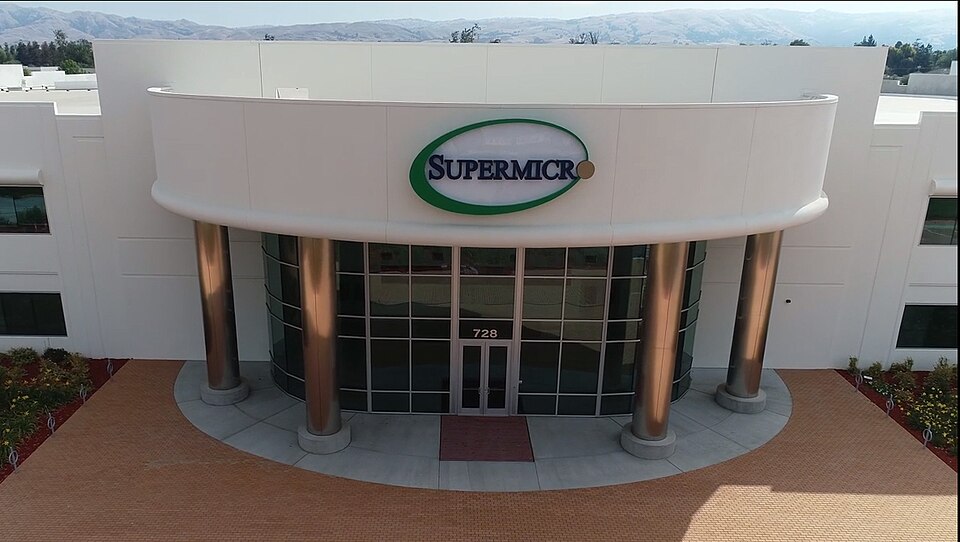
Super Micro's co-founder has been arrested and charged with smuggling AI chips to China, dealing a significant blow to the company's reputation. The scandal involves several billions of dollars and has implicated multiple managers and contractors. According to Tom's Hardware, the investigation is ongoing, with one individual still at large. This development highlights the cut-throat nature of the global AI race, where companies are willing to bend rules to gain a competitive edge.
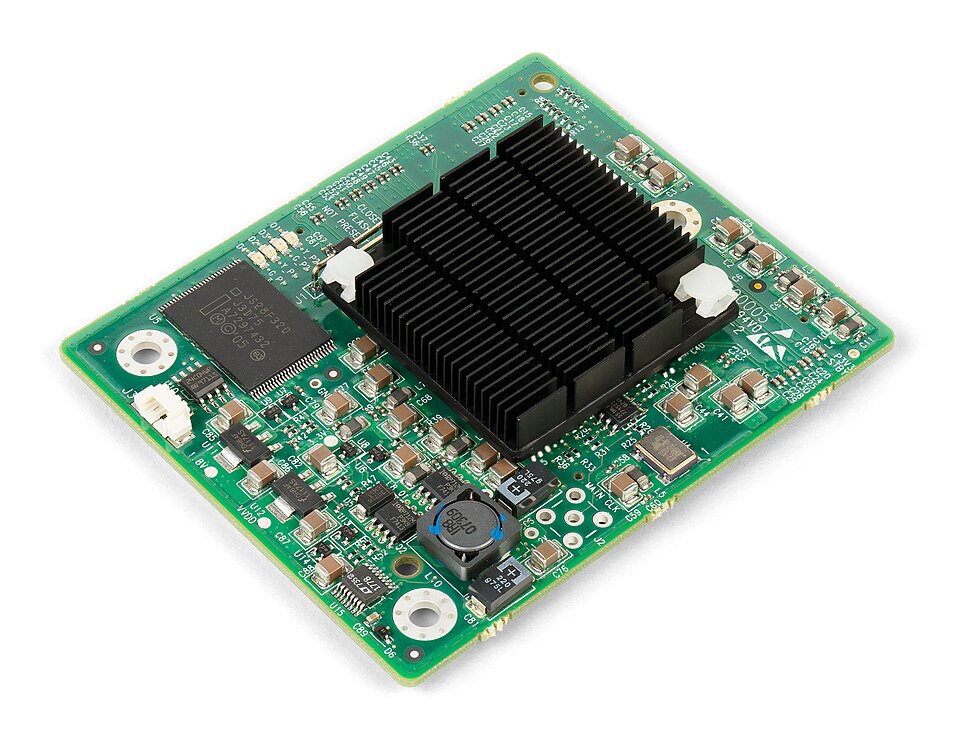
The global AI landscape is becoming increasingly complex, with countries and companies vying for dominance. The use of AI accelerators is a key factor in this race, as they can significantly improve computing power and efficiency. However, the smuggling of these chips to China raises concerns about export control evasion and the potential for unauthorized technology transfer.
The Dark Side of AI Acceleration📷 Published: Apr 14, 2026 at 04:18 UTC
The Dark Side of AI Acceleration
The implications of this scandal extend beyond Super Micro, as it highlights the risks of export control evasion and the need for stricter regulations. The developer community is likely to be concerned about the potential consequences of such actions, including the potential for IP theft. As the AI industry continues to evolve, it is essential to ensure that companies operate within legal boundaries and prioritize ethical considerations.
The industry map is likely to be reshaped by this scandal, with companies re-evaluating their partnerships and supply chains. The benchmark context will also be crucial in assessing the performance of AI accelerators, as companies will need to demonstrate their commitment to ethical practices. As Wired notes, the AI industry is at a critical juncture, and companies must prioritize transparency and accountability to maintain trust.
The concrete implication of this scandal is that companies will need to re-evaluate their supply chains and partnerships to ensure compliance with export regulations. This will likely lead to increased costs and a more complex regulatory environment. The real signal here is that the AI industry is maturing, and companies must adapt to the new reality.