
Motor-free robotic hand shifts shape in under a second
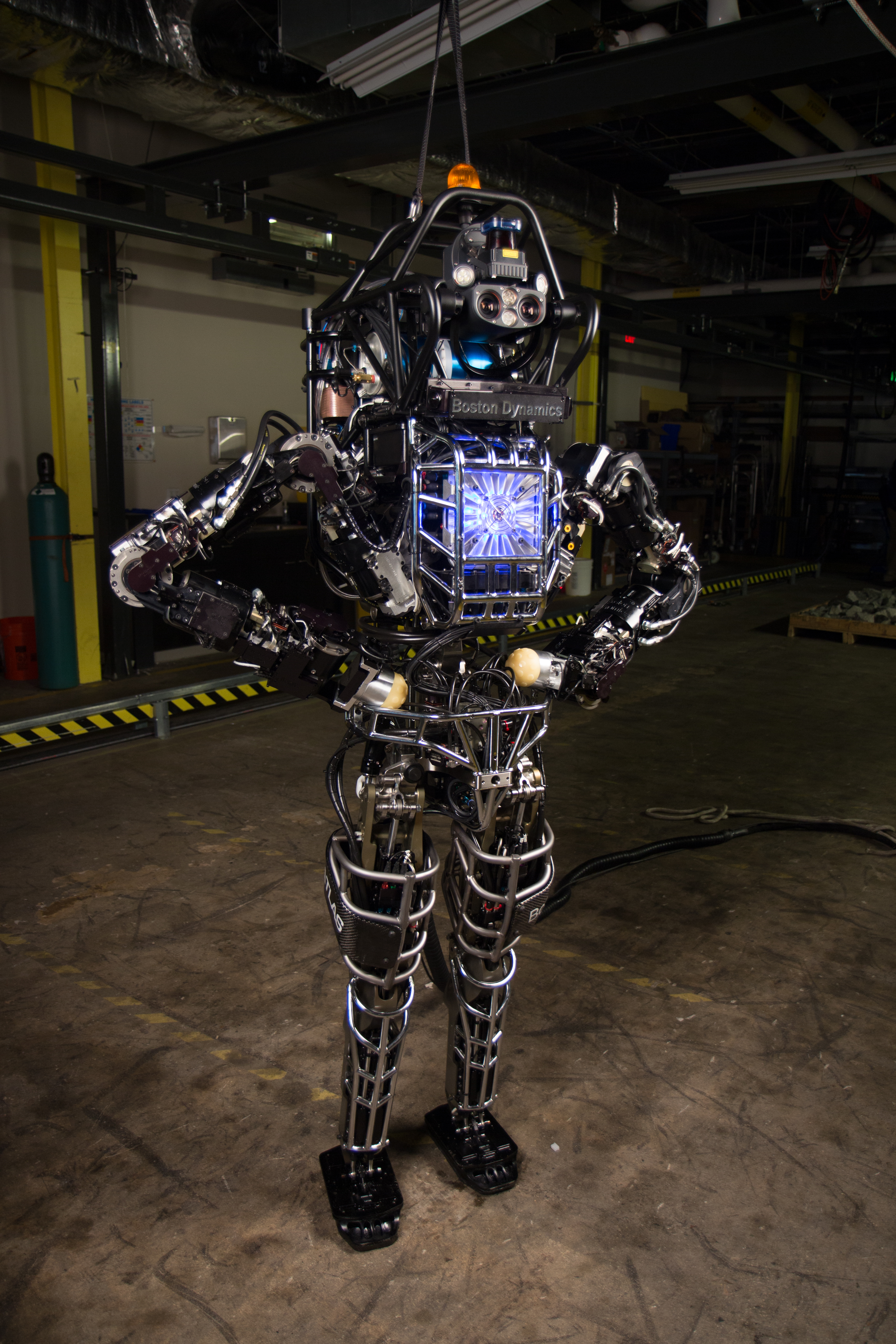
Motor-free robotic hand shifts shape in under a second📷 Published: Apr 14, 2026 at 04:08 UTC
- ★KAIST actuator replaces motors with smart material
- ★Sub-second response times in lab conditions
- ★Real-world limits remain untested at scale
A team at KAIST has built a robotic actuator that can reconfigure its shape in under a second—without motors, gears, or hydraulics. The device relies on a smart material that contracts and expands under controlled stimuli, promising lightweight, repeatable movement for space structures and robotic arms TechXplore.
Conventional motor-based systems have long struggled with weight, complexity, and the energy demands of moving parts. This prototype sidesteps those issues entirely, at least on paper. Lab videos show fluid, precise motion—exactly the kind of choreography that makes engineers skeptical.
The real test isn’t whether it works in a demo, but whether it can survive outside one. Smart materials often degrade under constant cycling, and environmental factors like temperature, humidity, or dust can cripple performance. The KAIST team hasn’t released data on durability, load capacity, or power efficiency beyond controlled conditions.
For now, this remains a proof of concept—impressive in isolation, but far from a deployable solution. The gap between a lab video and a field-ready actuator is wide, and the marketing often obscures the hardware limits.
The hardware limit nobody mentions in the demo📷 Published: Apr 14, 2026 at 04:08 UTC
The hardware limit nobody mentions in the demo
So where could this actually be useful? Space deployable structures are an obvious fit: lightweight, low-power actuation is ideal for satellite mechanisms or deep-space probes where every gram counts. The lack of moving parts could also reduce failure points in high-radiation environments.
But space agencies and aerospace contractors will demand rigorous testing before adoption. The actuator’s speed and responsiveness are proven in milliseconds, but its ability to handle real payloads, vibrations, or long-term wear isn’t. Certification for space hardware is notoriously slow, and even minor inconsistencies can scrub a mission.
On Earth, the story is similar. Industrial robotics might benefit from quieter, simpler actuation, but only if the material can handle the physical stress of factory floors. Right now, the tech is too fragile for anything beyond controlled environments—no dirty workshops, no extreme temperatures, no unexpected collisions.
The bigger question is scalability. Producing smart materials in bulk is expensive, and integrating them into existing systems would require redesigning entire robotic architectures. For all the hype around ‘next-generation robotics,’ this actuator is still a single-point innovation, not a platform.
The demo is finished. Reality starts now—and the real bottleneck may not be where the marketing points.
In other words, another polished lab video that makes engineers roll their eyes. The gap between ‘it works in the demo’ and ‘it works in the wild’ is where most robotic breakthroughs go to die.