
Perovskite solar skips cleanrooms—what it really saves
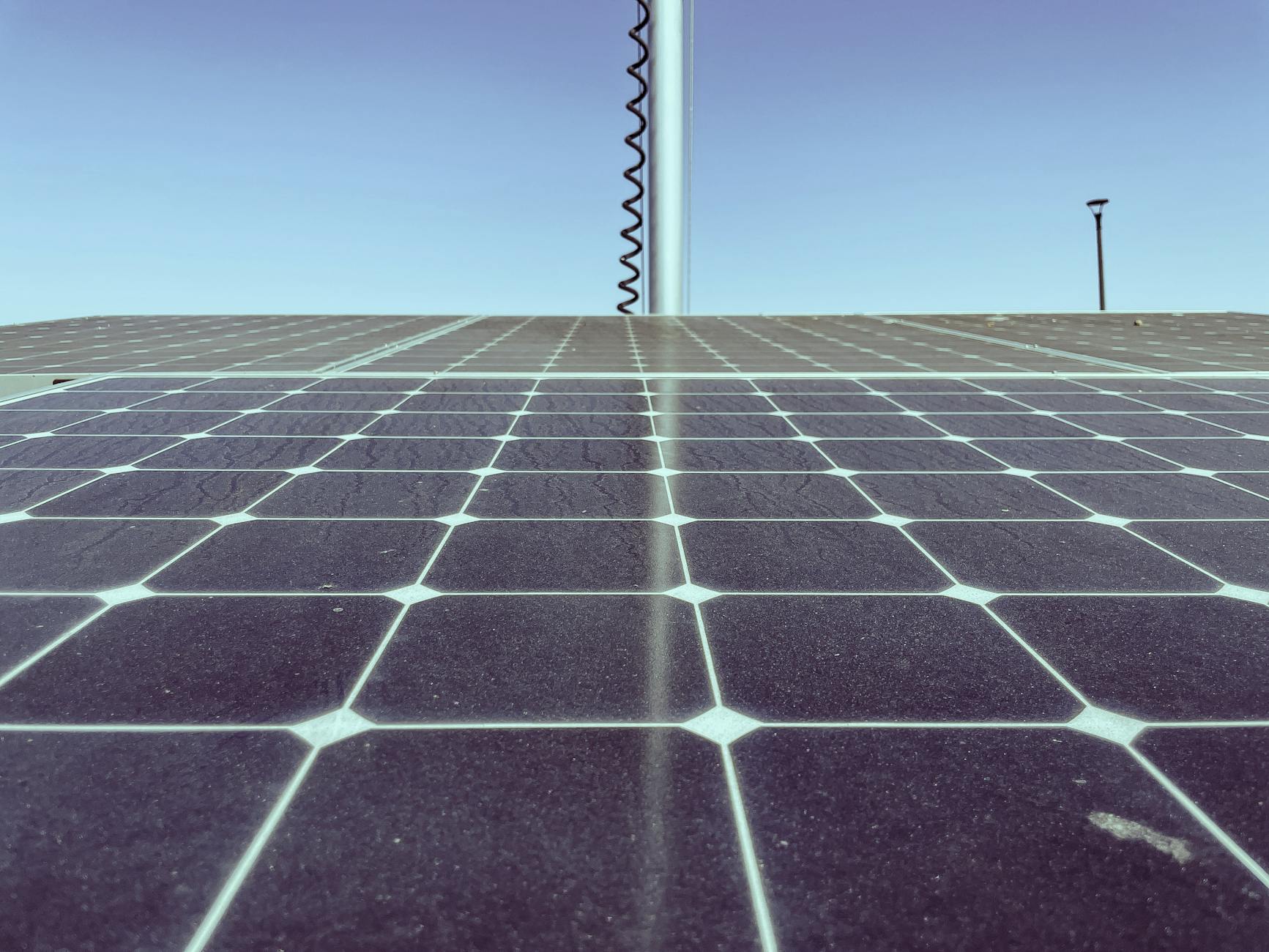
Perovskite solar skips cleanrooms—what it really saves📷 Published: Apr 14, 2026 at 04:15 UTC
- ★Dust-tolerant cells cut factory costs
- ★Near-cleanroom performance without sterility
- ★Scaling hurdle eased for manufacturers
Swansea University researchers have confirmed that perovskite solar cells can be fabricated in dusty environments without significant performance loss. Cells produced outside ultra-sterile cleanrooms matched 95% of the efficiency of their pristine counterparts, according to data published in PV Magazine. The finding removes a key bottleneck in scaling production, as cleanroom facilities represent one of the largest capital expenditures for manufacturers.
The implications extend beyond cost savings. Perovskite cells, which have surged in efficiency over the past decade, now face commercialization challenges. Cleanroom dependency was a major one—requiring specialized labor, energy-intensive filtration, and rigid protocols. Swansea’s results suggest these restrictions may be overstated, at least for this material class. Early industry reactions indicate suppliers are already exploring simpler, roll-to-roll production lines that could operate in standard factory conditions.
But the shift isn’t universal. Silicon-based solar, the current market leader, still relies on cleanroom precision for defect-free wafers. Perovskite’s tolerance for imperfection could be a material-specific advantage, not a universal manufacturing revolution. That distinction matters for investors and policymakers weighing subsidies or incentives for next-gen solar.
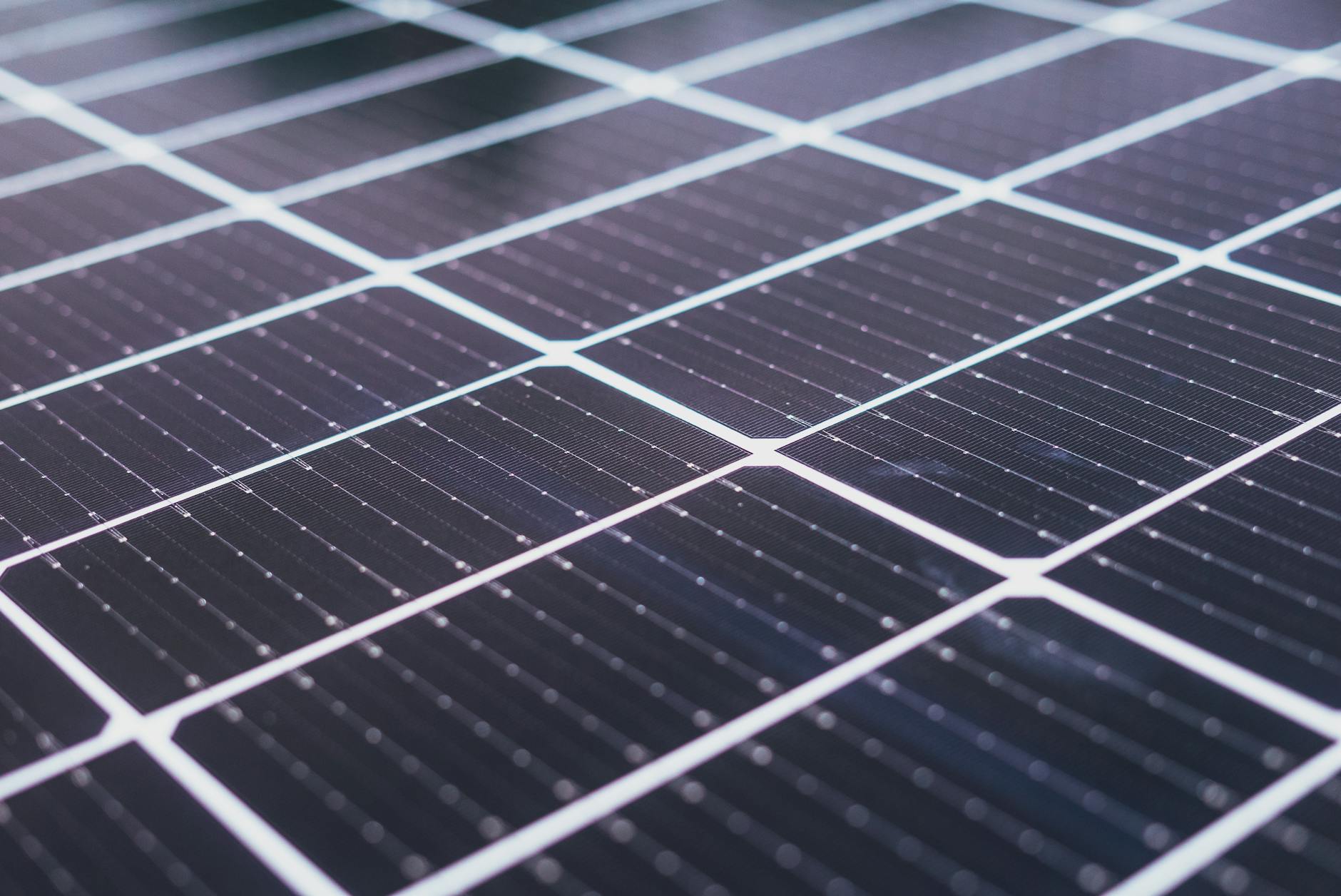
The workflow change behind the headline: cheaper production, same output📷 Published: Apr 14, 2026 at 04:15 UTC
The workflow change behind the headline: cheaper production, same output
For manufacturers, the immediate impact is clearer cap-ex budgets. Cleanrooms can cost upwards of $1,000 per square foot to build and maintain, a figure that scales painfully for gigawatt-scale production. Swansea’s findings imply these costs could be slashed or reallocated—perhaps toward durability testing or module integration, areas where perovskite still lags silicon.
The real-world gap, though, remains between lab promises and factory floors. While dust tolerance is confirmed, other environmental factors—humidity, temperature fluctuations—haven’t been stress-tested at scale. Industry observers note that perovskite’s sensitivity to moisture could still necessitate climate-controlled environments, even if full cleanroom protocols aren’t required. Early adopters like Oxford PV are watching closely, but haven’t signaled a pivot from their existing production methods.
Downstream, the effects could ripple beyond solar. If perovskite modules can be produced more cheaply, energy storage and building-integrated photovoltaics (BIPV) might see accelerated adoption. But the biggest hurdle isn’t fabrication—it’s proving long-term stability. Most perovskite cells degrade faster than silicon, a trade-off that could offset the cost savings if panels require more frequent replacement. The industry’s next move will be balancing these tensions: lower upfront costs against uncertain lifespans, and lab-scale success against global supply chain realities.
The real bottleneck may not be where the marketing points. If perovskite’s promise hinges on dust tolerance but stumbles on degradation, how long will buyers tolerate a product that’s 20% cheaper but lasts half as long? The next twelve months of pilot production will separate real progress from another lab curiosity.