
Anthropic sues Pentagon over AI supply-chain ban
Anthropic sues Pentagon over AI supply-chain ban📷 Published: Apr 21, 2026 at 22:11 UTC
- ★Claude banned by Pentagon rules
- ★Contract dispute escalated to federal ban
- ★AI security concerns behind designation
Anthropic’s lawsuit against the U.S. Department of Defense isn’t just another corporate grievance—it’s a test of whether AI policy can hide behind procurement red tape. The company alleges the Trump administration weaponized supply-chain risk designations to block Claude from sensitive DoD environments, turning a contractual dispute into a federal injunction. The legal filing frames the move as an overreach, arguing the Pentagon misapplied procurement rules to achieve what amounted to a technology ban.
What’s striking isn’t the ban itself, but the mechanism: the DoD classified Anthropic’s models as supply-chain risks, a designation typically reserved for hardware vulnerabilities or foreign-made components. Early signals suggest the concern centers on AI security and data handling, though the Pentagon hasn’t detailed specific threats. Anthropic’s argument—that this violates due process—hinges on whether the designation was an administrative tool or a policy Trojan horse.
Meanwhile, the contract dispute’s roots remain murky. Available information hints it may involve DoD procurement policies for AI systems, possibly related to compliance standards or ethics review processes. The opacity raises a question familiar to AI watchers: when rules evolve faster than the technology they govern, who really sets the agenda?
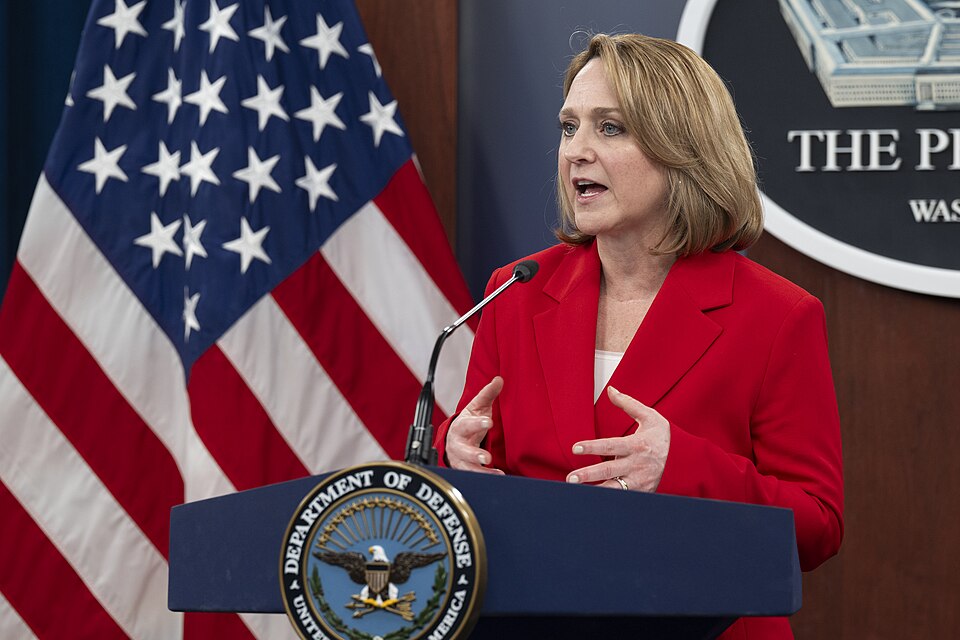
From contract row to constitutional clash: how compliance became a political football📷 Published: Apr 21, 2026 at 22:11 UTC
From contract row to constitutional clash: how compliance became a political football
The implications ripple beyond Anthropic. If the Pentagon can use supply-chain designations to sidestep procurement norms, it sets a precedent where federal agencies bypass public accountability to control access to cutting-edge tech. Industry observers note this could accelerate a bifurcation in AI deployment—companies either bend to federal idiosyncrasies or risk losing lucrative contracts. For developers, the case underscores the fragility of relying on federal partnerships when regulatory frameworks lag behind innovation.
What to watch next: whether courts treat the DoD’s move as a policy decision shielded by national security or a procedural abuse. If confirmed, it would force AI firms to redesign compliance strategies for every agency whim. The real signal here is that in AI, the biggest risk might not be the models themselves—but the rules written to control them.
The irony? A policy meant to secure supply chains now risks making them less transparent. When agencies can redefine risk on the fly, hype cycles get real—and real costs get buried.