
Mouse minds build Netflix from neuron noise

Mouse minds build Netflix from neuron noise📷 Published: Apr 21, 2026 at 10:08 UTC
- ★UCL decodes mouse vision from neurons
- ★eLife validates reconstruction method
- ★Neuroscience imaging without cameras
Forget chatbots hallucinating facts—scientists at University College London just cooked up the world’s first mouse-made Netflix feed, reconstructed directly from neural chatter. Using only implanted electrodes touching the visual cortex, the team pulled full video sequences out of raw spike patterns, no external camera required. Published in eLife without a press release fanfare, the work cracks open a backdoor into animal consciousness, letting researchers eavesdrop on what the world looks like through a mouse’s whiskers and wide-angle eyes.
The trick hinges on a deep-learning decoder trained on simultaneous neural recordings and pixel streams. During playback, the model translates cascading action potentials into moving images with uncanny fidelity—shapes, motion, even flickering light levels emerge cleanly from the noise. Early critics caution the frames remain crude (think 32×32 grayscale blobs), but the principle overturns decades of dogma that visual decoding demands physical sensors or fMRI machines.
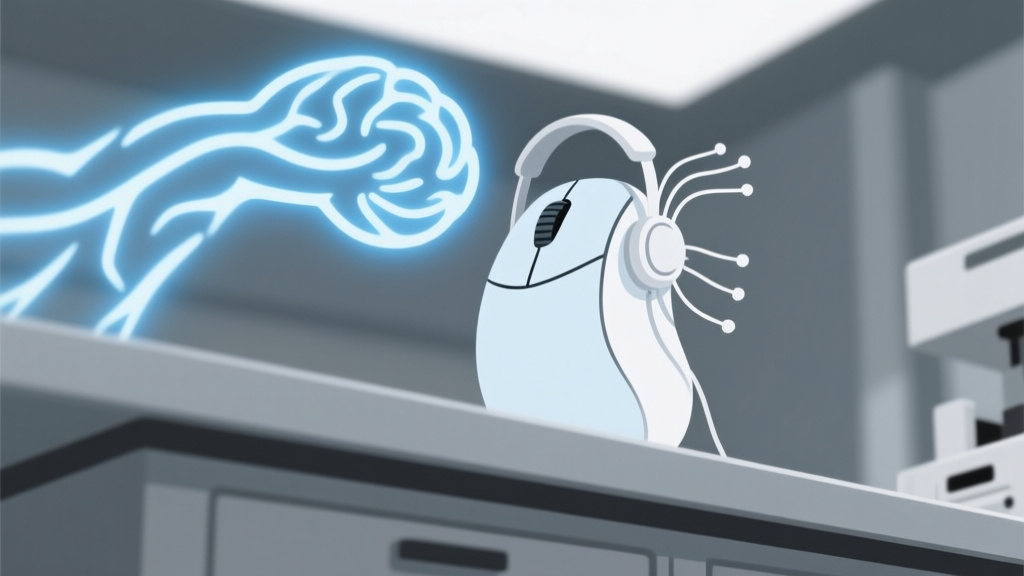
From pixels to perception: the real cost of silent video synthesis📷 Published: Apr 21, 2026 at 10:08 UTC
From pixels to perception: the real cost of silent video synthesis
Benchmarks aren’t apples-to-apples yet; human vision decoders still lag behind frame-by-frame camera outputs. Still, the UCL feat elbows aside the need for bulky imaging hardware. If confirmed, labs could outfit rodents with minimalist headsets—cheaper, more portable, and less invasive than MRI cages—while collecting richer behavioral datasets. According to available information, the method scales faster than spike-sorting algorithms, which struggle to keep pace with raw data deluges.
Industry watchers already see glimmers: if neurons can build video, could the same trick digitize dreams or medical scans? The community is responding with caution—players note the ethical quagmire of peering into non-consenting minds. For now, the technique remains tethered to lab benches, but the gap between demo and deployment may shrink faster than anyone expects.
Can the same pipeline decode human dreams without the sleeper noticing? Honestly, we’d rather not find out.