
Microsoft swaps OpenAI for Claude in Copilot—what’s really new?
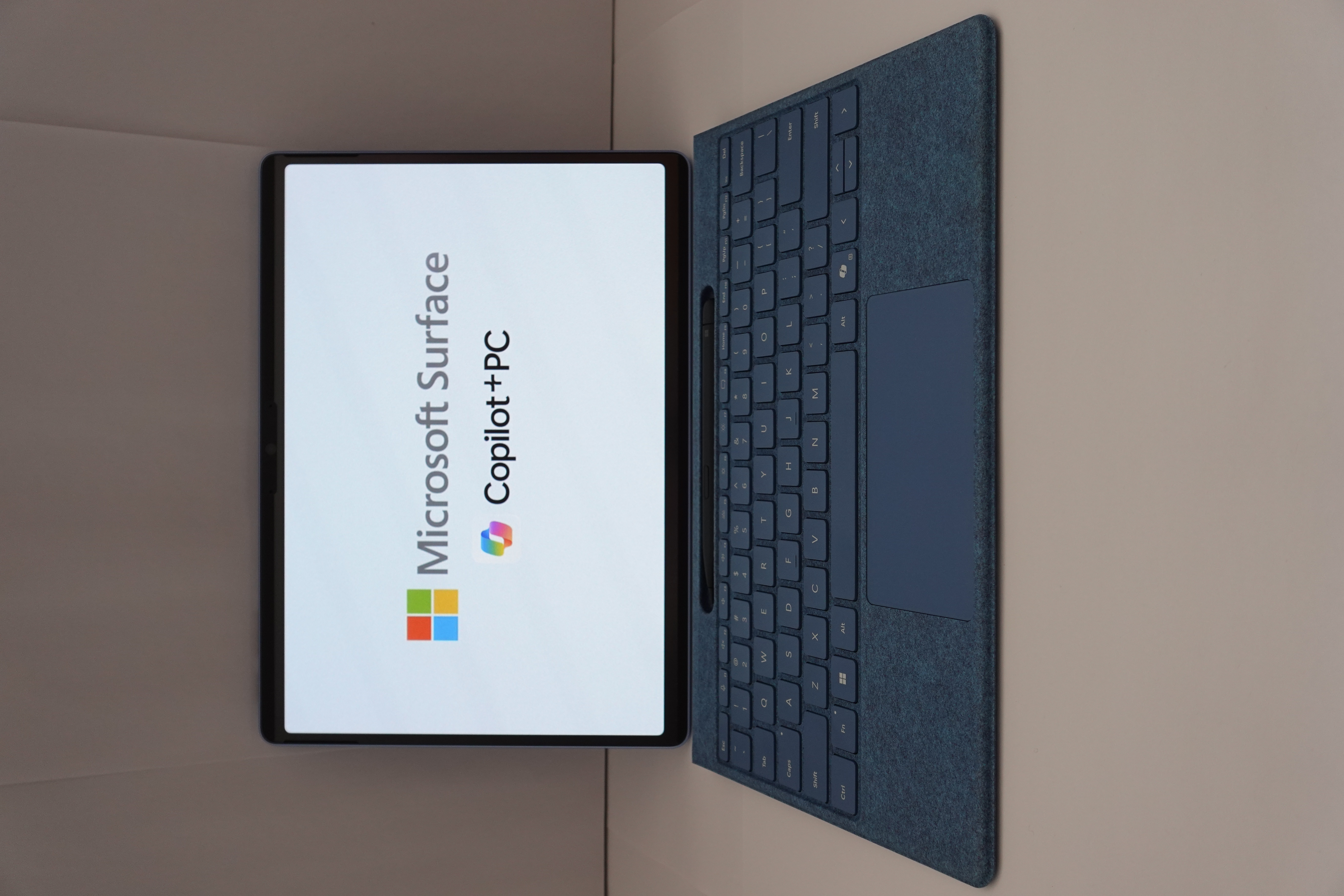
Microsoft swaps OpenAI for Claude in Copilot—what’s really new?📷 Published: Apr 21, 2026 at 16:17 UTC
- ★Claude Cowork automates tasks in Outlook, Teams, Excel
- ★Microsoft diversifies AI partners beyond OpenAI
- ★No benchmarks show Claude outperforming GPT-4
Microsoft is quietly replacing OpenAI’s GPT-4 with Anthropic’s Claude in Copilot, a move that lets AI autonomously draft emails, schedule meetings, and crunch spreadsheets across Outlook, Teams, and Excel. Dubbed Copilot Cowork, the integration marks the first time Microsoft has leaned on a rival large language model for its flagship productivity suite—though the company hasn’t shared performance comparisons or benchmarks to justify the switch. According to The Decoder, the feature will roll out without fanfare, suggesting this is more about hedging bets than declaring a winner.
The decision arrives as Microsoft’s relationship with OpenAI faces scrutiny over exclusivity and control. While GPT-4 remains the default for most Copilot tasks, Claude’s inclusion signals a broader strategy: diversify AI suppliers to avoid over-reliance on a single vendor. That’s a pragmatic play, but it also raises questions about whether Claude’s strengths—often touted as superior reasoning or safety—translate into real-world productivity gains. For now, Microsoft is framing the move as a feature expansion, not a replacement, leaving users to wonder if this is innovation or just insurance.
The shift to Anthropic’s model looks like strategy, not superiority📷 Published: Apr 21, 2026 at 16:17 UTC
The shift to Anthropic’s model looks like strategy, not superiority
Anthropic has spent the past year positioning Claude as the enterprise-friendly alternative to OpenAI, emphasizing its longer context windows and stricter safety guardrails. Yet in Microsoft’s case, the pitch isn’t about superiority—it’s about optionality. The company hasn’t disclosed whether Claude will handle specific tasks better than GPT-4, like parsing complex Excel formulas or drafting nuanced emails. Without benchmarks, the integration feels like a hedge against future OpenAI pricing changes or service disruptions, rather than a technical breakthrough. Microsoft’s official blog makes no mention of performance, instead highlighting “enhanced flexibility” for IT admins.
For developers and power users, the real test will be whether Claude’s autonomy delivers fewer hallucinations or faster execution in real workflows. Early signals suggest the feature will operate in the background, handling routine tasks without user prompts—an evolution of Copilot’s existing capabilities. If successful, it could pressure Google to open Gemini to similar third-party integrations. But for now, the announcement reads less like a leap forward and more like a calculated step sideways: Microsoft is keeping its AI options open, even if the benefits aren’t yet clear to end users.
The real signal here is for enterprise IT teams: Microsoft is building a multi-LLM future, where Copilot can swap models based on cost, compliance, or performance. Expect more vendors to follow, turning AI selection into a procurement checkbox rather than a technical debate.