
OpenAI’s $110B bet proves AI patience beats skepticism
OpenAI’s $110B bet proves AI patience beats skepticism📷 Published: Apr 21, 2026 at 12:04 UTC
- ★$110 billion funding round confirmed
- ★Revenue reality vs AI spending gap
- ★Long-term bet beats short-term doubts
OpenAI’s $110 billion funding round isn’t just a splashy headline—it’s a bet that the AI bubble won’t pop. Year after year, critics have predicted the collapse of inflated valuations, yet the flood of capital continues unabated. Data centers hum with servers running models that cost more to train than most airlines earn in a year. OpenAI’s 2025 revenue of $20 billion sounds impressive until you stack it against the company’s infrastructure spending. Ross Stores generates similar revenue selling clearance racks, while Frito-Lay moves that much in potato chips—a telling comparison for a sector that promises but doesn’t yet deliver margin-line profits.
The disconnect between investment and revenue reveals a market chasing future potential over present performance. Benchmarks like human-level reasoning scores make headlines, but real-world deployments still rely on manual curation and expensive compute. Early adopters praise speed improvements, yet the ROI math remains elusive for most buyers. Investors seem willing to accept losses as the price of securing a seat at the table when—if—the models finally monetize at scale.

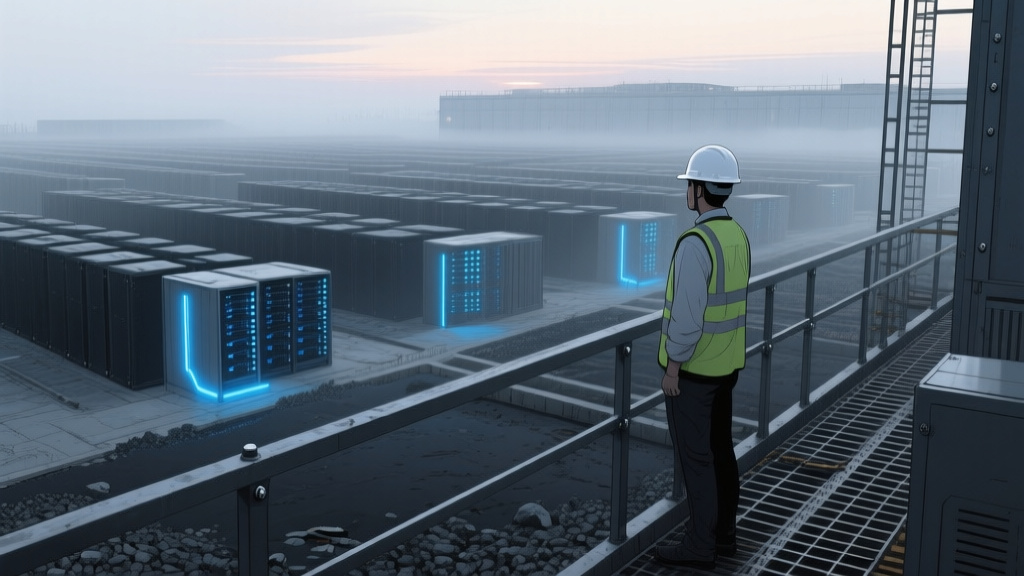
Data center spending outpaces revenue growth by a factor of five📷 Published: Apr 21, 2026 at 12:04 UTC
Data center spending outpaces revenue growth by a factor of five
This isn’t the first time tech hype outpaced reality, but the scale here sets new records. Cloud providers are racing to build AI-optimized facilities while posting modest gains from generative workloads. OpenAI’s latest round suggests confidence that either revenue will catch up or competition will winnow out the weaker players first. The community notes the contradiction: massive capital inflows fund teams chasing breakthroughs that haven’t materialized commercially.
What comes next depends on whether these models move beyond demo environments. The real signal here is that patience—not proof—currently drives valuation. Until revenue scales with spending, the industry remains a high-stakes experiment where the house always wins.
Developers should watch for margin compression signals in 2026. The first firms to monetize inference efficiently will define the next phase of competition.