
PlayStation’s AI frames won’t fix your 30fps blues

PlayStation’s AI frames won’t fix your 30fps blues📷 Published: Apr 16, 2026 at 02:31 UTC
- ★ML frame generation confirmed for PlayStation
- ★Smoother visuals with possible minor artifacts
- ★No timeline or specific games announced yet
Mark Cerny just dropped the biggest PlayStation tech tease since the PS5’s SSD reveal, and the gaming internet is already treating it like a magic bullet. In an interview with Digital Foundry, the lead architect of the PS5 and PS5 Pro confirmed that machine learning-based frame generation is coming to "PlayStation platforms"—meaning your console will soon be imagining frames between the ones it actually renders. The pitch? Smoother visuals without needing a GPU upgrade. The reality? It’s not quite the performance miracle some are hoping for.
Frame generation isn’t new—Nvidia’s DLSS 3 and AMD’s FSR 3 have been doing this for years—but Sony’s entry into the space is still a big deal. The tech works by using AI to interpolate new frames, effectively tricking your eyes into perceiving a higher frame rate than what’s being rendered. For players stuck on 30fps or struggling with performance modes, this could feel like a free upgrade. But as anyone who’s used DLSS Frame Generation can tell you, it’s not without its quirks. The Digital Foundry breakdown hints at the same: smoother visuals, but with the occasional artifact or weird motion blur when the AI guesses wrong.
The bigger question is how this will integrate with Sony’s first-party games. Will God of War Ragnarök suddenly feel buttery smooth on a base PS5? Or will it be reserved for the rumored PS5 Pro—or even a future PS6? Cerny’s announcement was light on details, but the implication is clear: this isn’t a stopgap for underpowered hardware. It’s a long-term play, one that could redefine how PlayStation games are designed from the ground up.
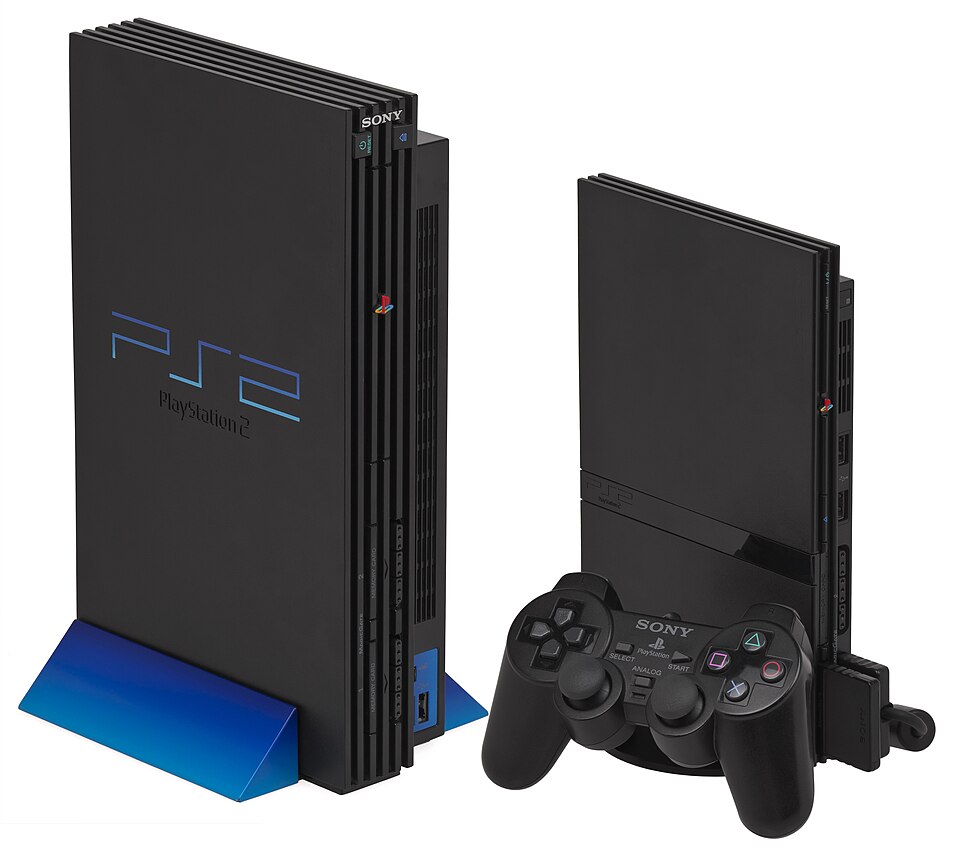
The tech promises smoother gameplay—but players will still notice the gaps📷 Published: Apr 16, 2026 at 02:31 UTC
The tech promises smoother gameplay—but players will still notice the gaps
Community reactions have been a mix of hype and skepticism, which is par for the course when Sony drops a vague but tantalizing tech demo. Reddit threads are already buzzing with theories about how this will affect competitive multiplayer—will AI-generated frames introduce input lag? Will they be optional, or forced on players like some of Nvidia’s more aggressive upscaling tricks? The r/PS5 subreddit is split between those who see this as a win for accessibility and those who worry it’s just another way for Sony to cut corners on performance.
Then there’s the elephant in the room: the PS5 Pro. While Cerny didn’t tie the tech to any specific hardware, the timing of the announcement—just months after the Pro’s reveal—suggests this could be a key selling point for Sony’s mid-gen refresh. But if the past is any indication, we won’t see widespread adoption until developers have had time to optimize for it. Remember when the PS5’s SSD was supposed to revolutionize loading times? It did, but not overnight.
For now, the biggest takeaway is that this isn’t a silver bullet. AI frame generation won’t turn a 30fps game into a locked 60fps experience, and it won’t make up for poorly optimized ports. What it will do is give Sony another tool to squeeze more performance out of its hardware—assuming players don’t mind the occasional AI hallucination.
For players, this means smoother visuals in some games, but don’t expect miracles. If you’re on a base PS5, you’ll still need to choose between resolution and performance. And if you’re sensitive to motion blur or artifacts, you might end up turning the feature off entirely. The real winners? Developers, who now have another way to stretch their games across multiple hardware generations.