
Valve hit with billions-dollar lootbox lawsuit

Valve hit with billions-dollar lootbox lawsuit📷 Published: Apr 21, 2026 at 08:08 UTC
- ★New class action in Washington
- ★Lootboxes in CS2, Dota 2, TF2 targeted
- ★Plaintiffs claim billions in earnings
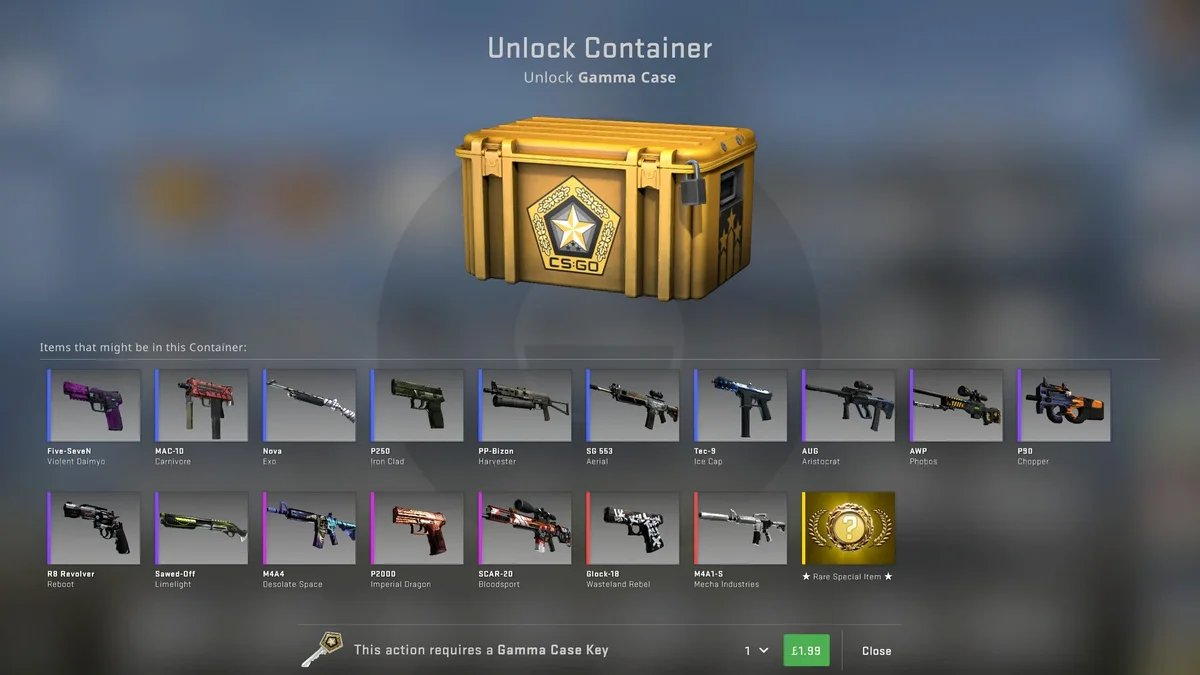
Valve’s decade-long lootbox economy just became the target of a class action lawsuit filed in Washington state. The complaint accuses the company of operating an unlawful gambling enterprise through Counter-Strike 2, Counter-Strike: Global Offensive, Dota 2, and Team Fortress 2 crate systems. Plaintiffs estimate Valve’s take tops $3.5 billion, framing each random drop as a potential violation of gambling statutes.
According to the filing, players over 18 years old are legally barred from gambling, yet Steam’s marketplace and game integrations create a secondary economy indistinguishable from a casino floor. The lawsuit leverages recent precedent around microtransactions in games like FIFA Ultimate Team, where regulators have already ruled that randomized rewards meet gambling definitions.
Valve has yet to respond officially, but its legal team faces a steep climb after similar cases in Europe and the U.S. forced game publishers to redesign monetization schemes. Early signals suggest the company may argue that in-game items have real utility—cosmetic skins, weapon cases, and team pennants—which distinguishes them from casino chips or slot machine payouts.
The settlement Valve won’t write yet📷 Published: Apr 21, 2026 at 08:08 UTC
The settlement Valve won’t write yet
For players, the lawsuit is a proxy fight over who really owns the items they grind for or buy at full price. The community reaction has splintered between those who treat skins as collectibles and others who see pure gambling at every keypad combo. Some users report they’ve stopped opening cases entirely, while others continue, arguing that the legal risk lies entirely with Valve’s business model, not their hobby.
Analysts tracking the case note that Valve’s reliance on a 15-year-old platform built around random drops leaves little room for quick pivots. If the court sides with plaintiffs, refunds and forced restructuring of Steam’s economy loom large. Until then, every unboxed knife or rare sticker drips with legal uncertainty—and the lootbox rush keeps rattling the same lever.
Will this case finally force Steam to issue refunds before the next major tournament drops its $40 battle pass?