
Same neurons fire for seeing and imagining objects
Same neurons fire for seeing and imagining objects📷 Published: Apr 10, 2026 at 12:27 UTC
- ★First study to map shared brain mechanism
- ★Published in Science by Cedars-Sinai team
- ★No immediate patient impact—research-stage only
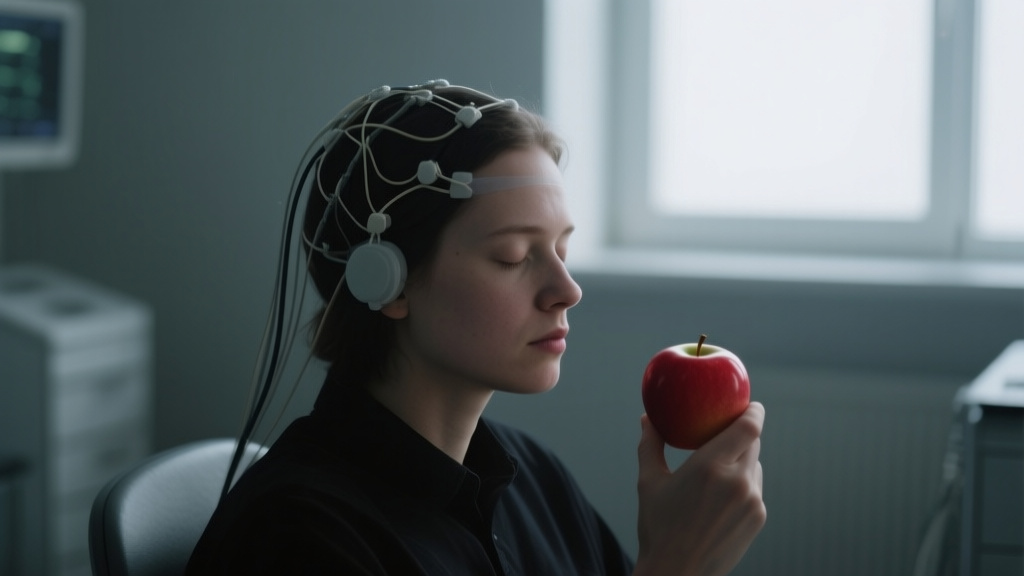
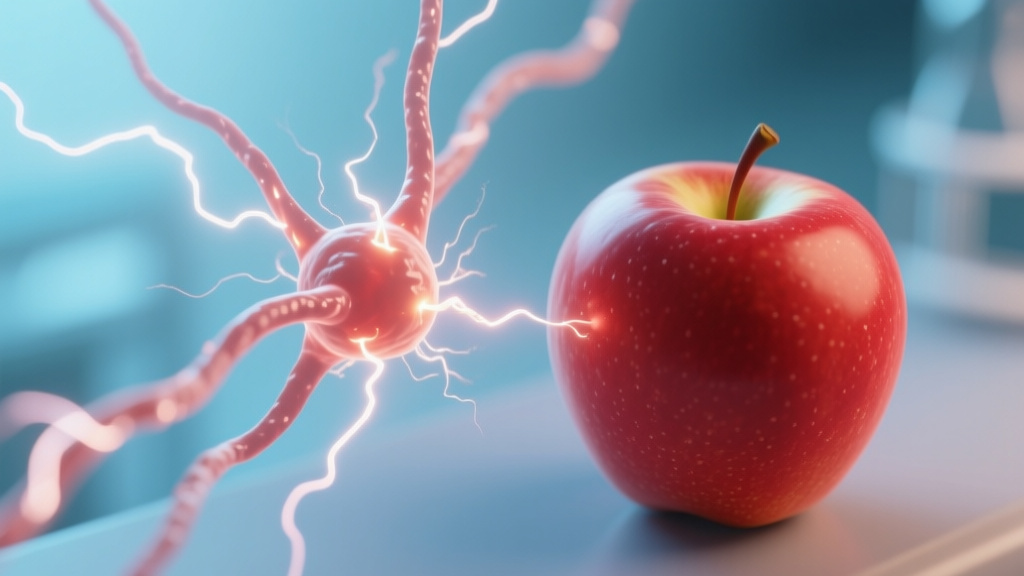
The boundary between perception and imagination just blurred. A study led by Cedars-Sinai Health Sciences University investigators has demonstrated that the same neurons activate when we see an object and when we conjure its image from memory. Published in Science, the research provides the first detailed understanding of the shared neural mechanism underlying visual perception and mental imagery in the human brain.
The findings confirm what philosophers and neuroscientists have long suspected: that imagining something isn’t merely a abstract recollection but a near-physical re-experiencing. For participants, electrodes implanted in the brain revealed identical neural patterns when they viewed images of objects and later recalled them. This overlap explains why mental images can feel so vivid—our brains are, in effect, replaying the same sensory hardware.
Yet the study is observational, not interventional. It involved a small sample of patients undergoing epilepsy monitoring, which limits the generalizability of the results. The team used high-resolution intracranial recordings, a rare and precise method, but one that inherently restricts the study’s scope to individuals with specific medical needs. The evidence grade here is early study, observational—promising, but not yet definitive for broader populations.
A landmark study—with critical caveats📷 Published: Apr 10, 2026 at 12:27 UTC
A landmark study—with critical caveats
So what does this mean for patients today? In short: nothing—yet. The research remains firmly in the realm of basic science, offering no immediate clinical applications or therapeutic implications. Its value lies in advancing our theoretical understanding of how the brain encodes and retrieves visual information. For neurologists and cognitive scientists, these findings open new avenues for exploring memory disorders, hallucinations, or even the neural basis of creativity. But for patients hoping for a practical breakthrough, the wait continues.
The study’s limitations are worth underscoring. The sample size was small, and the methodology—while cutting-edge—is invasive, making replication in larger, healthier cohorts challenging. Additionally, the research does not address whether these shared neural patterns extend to other senses, like hearing or touch, or how they might degrade in conditions like dementia or PTSD. What we know: the brain’s visual and imaginative processes overlap. What we don’t know: whether this overlap is consistent across all individuals, how it functions in non-visual domains, or whether it can be harnessed therapeutically.
Looking ahead, the Cedars-Sinai team plans to explore whether targeted stimulation of these neurons could enhance or suppress memory recall—an idea with potential applications for treating conditions like PTSD or Alzheimer’s. But for now, the discovery remains a fascinating glimpse into the brain’s inner workings, not a therapeutic tool. The regulatory status is preclinical research; no clinical trials are underway, and no regulatory bodies are involved.