
Starship’s Tenth Test: The Reusability Threshold Crossed
Starship’s Tenth Test: The Reusability Threshold Crossed📷 Published: Apr 15, 2026 at 16:18 UTC
- ★All major objectives met in tenth flight
- ★Critical data for next-gen Starship design
- ★Reusability milestone for orbital launch
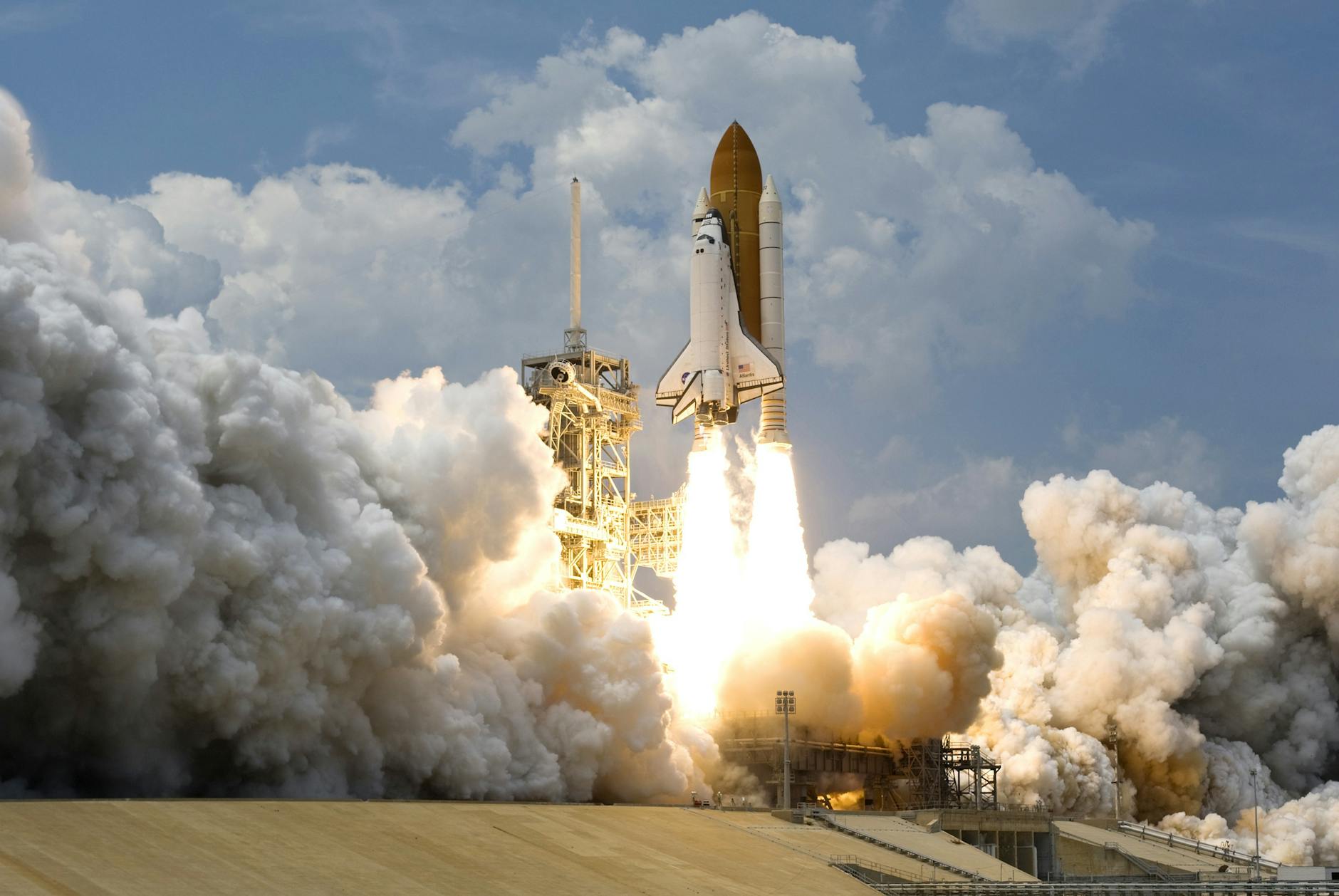
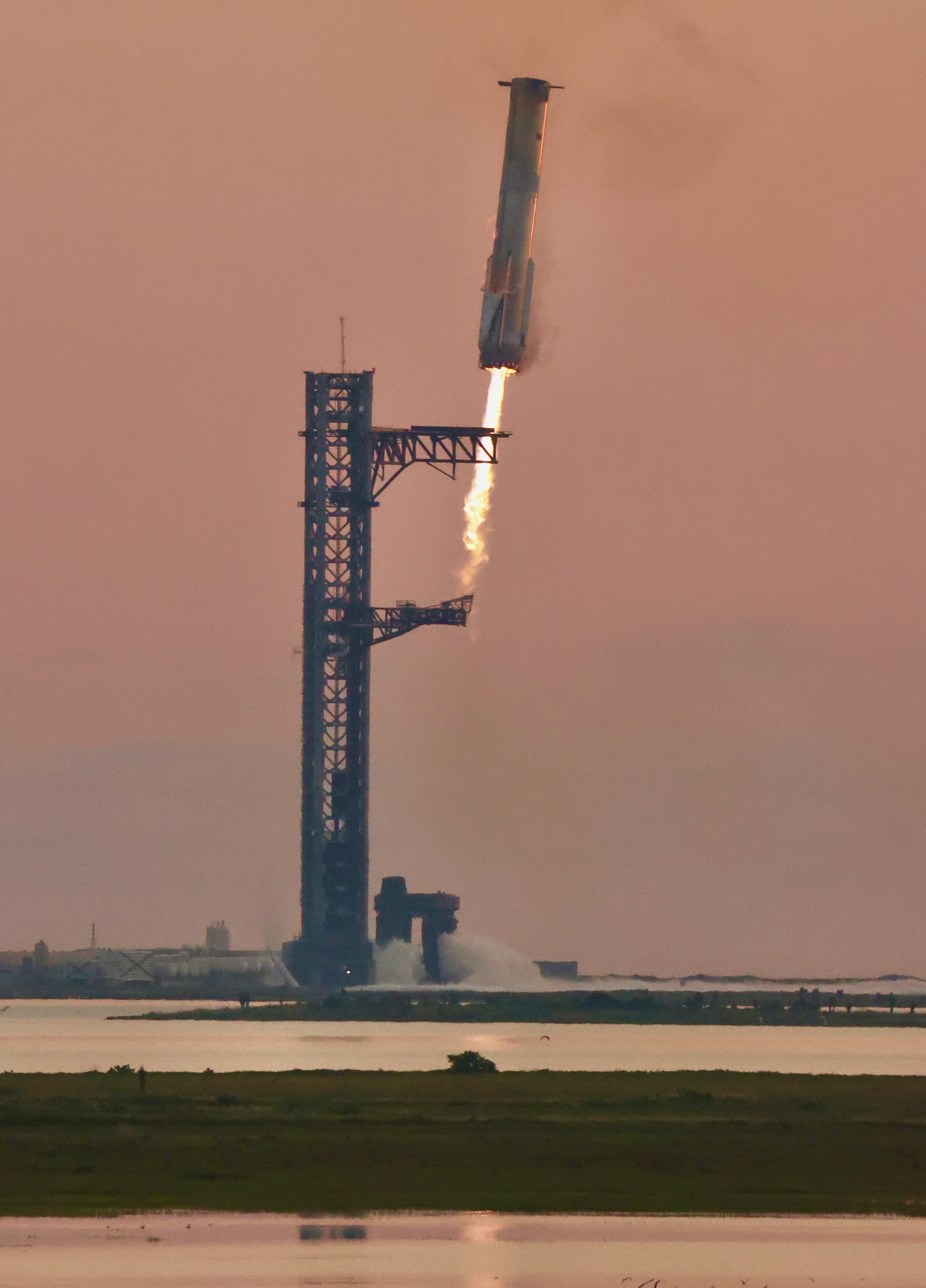
At precisely 6:30 p.m. CT on August 26, 2025, SpaceX’s Starship lifted off from Starbase, Texas, marking the tenth flight test of the world’s most ambitious launch vehicle program. Unlike previous attempts, this mission achieved every major objective, providing the first unambiguous evidence that a fully reusable orbital-class rocket is not just possible, but within reach. The significance lies not in spectacle, but in the quiet accumulation of data—each successful separation, burn, and landing sequence narrowing the gap between prototype and operational system.
The test stressed Starship’s systems to their limits, a deliberate strategy to identify failure points before they become mission-critical. According to available telemetry SpaceX, the vehicle’s heat shield, Raptor engine performance, and staging mechanisms performed within expected parameters, a stark contrast to earlier flights where rapid unscheduled disassembly (RUD) was the norm. For an industry still grappling with the economic and environmental costs of expendable rockets, this flight represents a step toward a future where launch vehicles are treated like aircraft—refueled, inspected, and reused.
What makes this milestone particularly noteworthy is its timing. NASA’s Artemis program, which relies on Starship as a lunar lander, has been vocal about the need for reliability NASA. The successful tenth flight doesn’t just validate SpaceX’s iterative design philosophy; it accelerates the timeline for returning humans to the Moon, and eventually, enabling crewed missions to Mars. The question is no longer if Starship can work, but how soon it can be scaled to meet these demands.
The confirmation that shifts SpaceX’s timeline from aspiration to engineering reality📷 Published: Apr 15, 2026 at 16:18 UTC
The confirmation that shifts SpaceX’s timeline from aspiration to engineering reality
The scientific implications of this test extend beyond SpaceX’s immediate goals. Reusability isn’t just an engineering challenge—it’s a fundamental shift in how we approach space exploration. Traditional launch vehicles, like the Saturn V or even the Space Shuttle, were designed with limited reuse in mind, if at all. Starship’s architecture, by contrast, treats reusability as a non-negotiable requirement, forcing innovations in materials, propulsion, and logistics that could trickle down to other aerospace projects. Early signals suggest Aerospace Corp that the data from this flight will inform everything from orbital refueling techniques to in-space manufacturing, areas where NASA and commercial partners have struggled to make progress.
Yet for all the progress, the real bottleneck may not be technical but operational. SpaceX’s iterative approach—flying, failing, and refining—has proven effective, but it also demands a tolerance for risk that regulators and insurers may not share. The Federal Aviation Administration (FAA) has already signaled concerns about the environmental and safety implications of frequent Starship launches FAA. If the next phase of testing proceeds without incident, the conversation will shift from can Starship fly to how often can it fly safely.
The tenth flight test also underscores a broader truth about modern spaceflight: success is measured in increments, not leaps. Each mission builds on the last, turning anomalies into lessons and failures into data points. For SpaceX, this flight wasn’t about breaking records; it was about proving that the system can learn, adapt, and improve—a philosophy that could redefine how we explore the solar system.
Operationally, this test accelerates SpaceX’s timeline for deploying Starship as a lunar lander and, eventually, a Mars transport. NASA’s Artemis program, which has faced delays due to lander development challenges, now has a clearer path forward. The next steps are concrete: refine the heat shield for atmospheric re-entry, perfect in-orbit refueling, and scale production to meet demand. The real bottleneck may not be where the marketing points—it’s in ensuring that each iteration of Starship is not just functional, but reliable enough for crewed missions.