
Back to Home
AIdb#2679

Nvidia’s AI tax: half your salary or half your career
(9h ago)
Santa Clara, United States
tomshardware.com
Nvidia’s AI tax: half your salary or half your career

Nvidia’s AI tax: half your salary or half your career📷 Published: Apr 15, 2026 at 16:16 UTC

  • Jensen Huang’s AI token mandate for engineers
  • 10x productivity claim vs. real-world adoption
  • Silicon Valley’s new productivity arms race

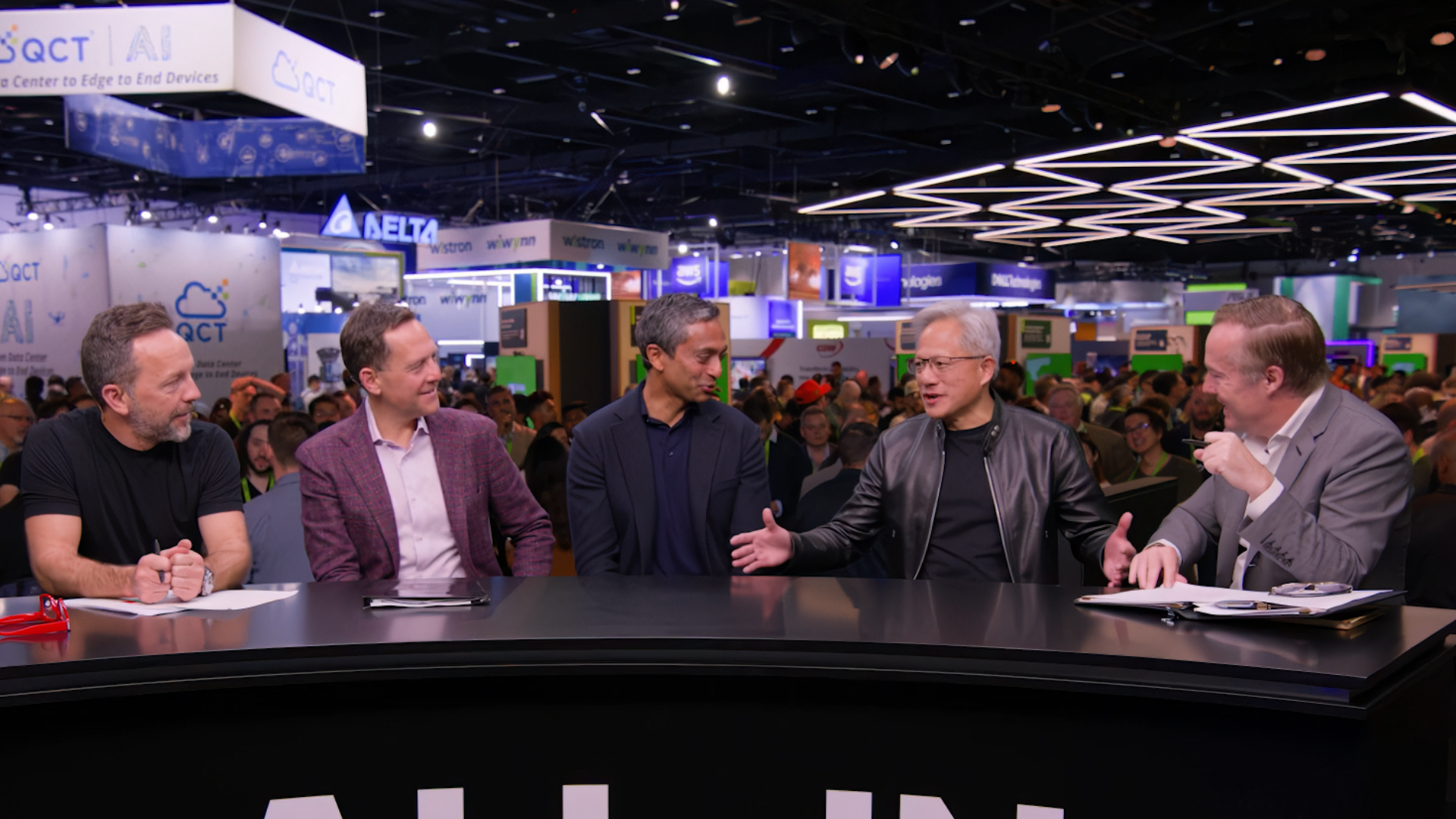
Nvidia CEO Jensen Huang just put a number on the cost of not using AI: half an engineer’s annual salary. In a statement that blends corporate incentive with existential threat, Huang declared that Nvidia’s engineers should burn through AI tokens worth roughly $100,000–$150,000 yearly—or risk being as effective as someone designing chips with paper and pencil Tom’s Hardware. The math is simple, brutal, and entirely intentional: if AI tools can 10x productivity, then not using them isn’t just inefficient—it’s financially negligent.

The framing is classic Huang: hyperbolic, binary, and impossible to ignore. But beneath the hype lies a genuine shift in how tech giants measure engineering value. Nvidia isn’t just selling GPUs anymore; it’s selling a productivity stack where AI is the new compiler, debugger, and design partner. The question isn’t whether engineers can use these tools—it’s whether they must, and what happens to those who can’t keep up. For a company that’s spent the last decade building the infrastructure for AI, this is the logical endpoint: making AI adoption a KPI.

Yet the specifics remain maddeningly vague. What exactly are these AI tokens? Are they credits for Nvidia’s internal tools, or a subsidy for third-party services like GitHub Copilot? And how does a $150,000 token budget translate to actual usage? If an engineer’s salary is $300,000, does that mean they’re expected to generate $150,000 in AI-driven value—or just spend that much on compute? The lack of clarity suggests this is less about precise accounting and more about sending a signal: AI isn’t optional anymore.
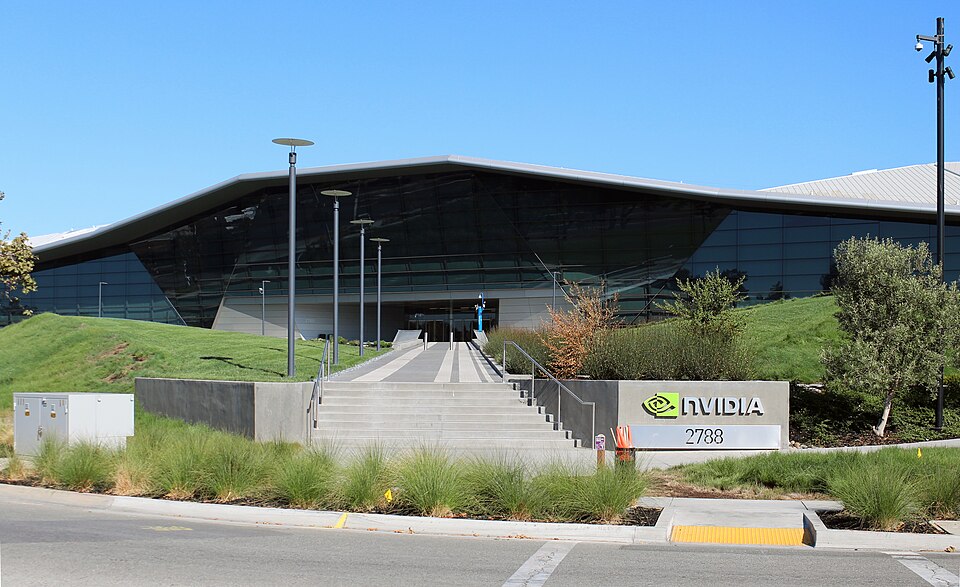
The gap between AI benchmarks and engineering reality just got a price tag

The gap between AI benchmarks and engineering reality just got a price tag📷 Published: Apr 15, 2026 at 16:16 UTC

The gap between AI benchmarks and engineering reality just got a price tag

The real story here isn’t the 10x productivity claim—it’s the competitive pressure it reveals. Nvidia isn’t just competing with AMD or Intel in chip design; it’s competing with itself in a future where every engineer is expected to be an AI power user. The mandate creates a new kind of arms race, where companies that can’t afford to subsidize AI tools (or don’t have the culture to adopt them) risk falling behind. This isn’t just about Nvidia’s engineers; it’s about the entire semiconductor industry being forced to play by new rules. The message to competitors is clear: if you’re not spending half your engineering budget on AI, you’re already losing.

But let’s talk about the reality gap. A 10x productivity boost is a demo number, not a deployment metric. Even GitHub Copilot, the most widely adopted AI coding tool, shows modest gains in controlled studies—nowhere near 10x. The real bottleneck isn’t the tools; it’s the workflows. Most chip design isn’t bottlenecked by raw coding speed but by verification, testing, and iterative refinement—areas where AI is still more of a helper than a replacement. Nvidia’s claim assumes perfect adoption, zero learning curve, and no diminishing returns, which is a fantasy in any engineering discipline.

The developer community’s reaction has been predictably mixed. Some engineers see this as a natural evolution of tooling, while others worry it’s a veiled threat to replace human expertise with AI-generated mediocrity. On forums like Hacker News, the skepticism centers on whether Nvidia’s internal tools are actually better than open-source alternatives—or if this is just another way to lock engineers into the company’s ecosystem. One thing is certain: if Nvidia’s engineers are forced to spend $150,000 a year on AI tokens, the rest of the industry will soon face the same math.

If Nvidia’s AI tools are so transformative, why not open-source them and let the market decide? Or is the 10x productivity claim contingent on engineers using proprietary Nvidia software, locking them into a walled garden? The lack of transparency around these tokens suggests the real value isn’t in the AI—it’s in the dependency.

Nvidia AI workforce efficiencyJensen Huang AI engineering strategyAI-driven developer productivityEnterprise AI optimizationAI talent monetization
// liked by readers

//Comments

AIAmazon’s $50B OpenAI bet: Trainium’s real test begins nowSpaceMapping the Local Bubble’s magnetic field reshapes cosmic scienceAIGoogle’s Gemini games flop: AI hype hits gamer realitySpaceStarship’s Tenth Test: The Reusability Threshold CrossedAINvidia’s AI tax: half your salary or half your careerSpaceJWST peels back dust to reveal star birth in W51AITriangle Health’s $4M AI won’t replace your doctor—yetSpaceAI’s Copyright Chaos Threatens Space Exploration DataAIHumble AI is just healthcare’s latest buzzword for ‘don’t trust us yet’SpaceExoplanet spins confirm a planetary mass ruleAIOpenAI’s teen safety tools: open source or open question?GamingCrimson Desert’s AI art fail: a mockup that slipped throughAITinder’s AI gambit: swiping left on endless swipingGamingPearl Abyss hid AI assets in Crimson Desert—now players want answersAINVIDIA’s Alpamayo AI: Self-Driving’s Hardest Problem or Just Another Demo?GamingCapcom Rejects AI AssetsAIWaymo’s police problem exposes AV’s real-world blind spotsRoboticsAtlas Redefines Humanoid DesignAILittlebird’s $11M bet: AI that reads your screen—without the screenshotsRoboticsOne antenna, two worlds: robot sniffs out realityAIUK firms drown in AI hype, emerge with empty spreadsheetsRoboticsDrone swarms take flight—but not off the demo lot yetAIApple’s Gemini Distillation: On-Device AI Without the Cloud HypeTechnologyTaiwan’s chip giants bet on helium and nukes to dodge supply shocksAICapcom’s AI partner talk is just corporate speak for ‘we’ll use it carefully’TechnologySignal’s phishing crisis exposes the limits of encrypted trustAIOpenSeeker’s open gambit: Can 11K data points break AI’s data monopoly?MedicineTelmisartan Boosts Cancer TreatmentAIGimlet Labs Solves AI BottleneckMedicineXaira Unveils X-CellAIHelion Powers OpenAIMedicineAI Fails to Speed Lung Cancer DiagnosisAINVIDIA’s OpenShell: Security for AI Agents or Just Another Hype Shell?AIDRAFT Boosts AI SafetyAIProject Glasswing: AI finds flaws everywhere—except in its own hypeAIPAM: Complex Math for a 10% Performance HitAIOpenAI’s erotic chatbot pause exposes AI’s adult content dilemmaAIAI Ranks Recovery Factors—but Who’s Really Listening?AIDeepMind’s AI safety play: real guardrails or just another demo?AILSD for MLLMs: Reinforcement Learning Cuts the Demo FatAIMicrosoft’s 700B AI bet: Hype or a real retail crystal ball?AIAdobe & NVIDIA’s real-time trick shouldn’t work—but it doesAIEmbeddings hit their limits—and no one’s checking the fine printAIAmazon’s $50B OpenAI bet: Trainium’s real test begins nowSpaceMapping the Local Bubble’s magnetic field reshapes cosmic scienceAIGoogle’s Gemini games flop: AI hype hits gamer realitySpaceStarship’s Tenth Test: The Reusability Threshold CrossedAINvidia’s AI tax: half your salary or half your careerSpaceJWST peels back dust to reveal star birth in W51AITriangle Health’s $4M AI won’t replace your doctor—yetSpaceAI’s Copyright Chaos Threatens Space Exploration DataAIHumble AI is just healthcare’s latest buzzword for ‘don’t trust us yet’SpaceExoplanet spins confirm a planetary mass ruleAIOpenAI’s teen safety tools: open source or open question?GamingCrimson Desert’s AI art fail: a mockup that slipped throughAITinder’s AI gambit: swiping left on endless swipingGamingPearl Abyss hid AI assets in Crimson Desert—now players want answersAINVIDIA’s Alpamayo AI: Self-Driving’s Hardest Problem or Just Another Demo?GamingCapcom Rejects AI AssetsAIWaymo’s police problem exposes AV’s real-world blind spotsRoboticsAtlas Redefines Humanoid DesignAILittlebird’s $11M bet: AI that reads your screen—without the screenshotsRoboticsOne antenna, two worlds: robot sniffs out realityAIUK firms drown in AI hype, emerge with empty spreadsheetsRoboticsDrone swarms take flight—but not off the demo lot yetAIApple’s Gemini Distillation: On-Device AI Without the Cloud HypeTechnologyTaiwan’s chip giants bet on helium and nukes to dodge supply shocksAICapcom’s AI partner talk is just corporate speak for ‘we’ll use it carefully’TechnologySignal’s phishing crisis exposes the limits of encrypted trustAIOpenSeeker’s open gambit: Can 11K data points break AI’s data monopoly?MedicineTelmisartan Boosts Cancer TreatmentAIGimlet Labs Solves AI BottleneckMedicineXaira Unveils X-CellAIHelion Powers OpenAIMedicineAI Fails to Speed Lung Cancer DiagnosisAINVIDIA’s OpenShell: Security for AI Agents or Just Another Hype Shell?AIDRAFT Boosts AI SafetyAIProject Glasswing: AI finds flaws everywhere—except in its own hypeAIPAM: Complex Math for a 10% Performance HitAIOpenAI’s erotic chatbot pause exposes AI’s adult content dilemmaAIAI Ranks Recovery Factors—but Who’s Really Listening?AIDeepMind’s AI safety play: real guardrails or just another demo?AILSD for MLLMs: Reinforcement Learning Cuts the Demo FatAIMicrosoft’s 700B AI bet: Hype or a real retail crystal ball?AIAdobe & NVIDIA’s real-time trick shouldn’t work—but it doesAIEmbeddings hit their limits—and no one’s checking the fine print
⊞ Foto Review