
Google’s Gemini games flop: AI hype hits gamer reality
Google’s Gemini games flop: AI hype hits gamer reality📷 Published: Apr 15, 2026 at 20:08 UTC
- ★GDC 2026 demo failed to impress players
- ★Generative AI lacks must-have gaming use cases
- ★Developers and gamers push back on forced AI
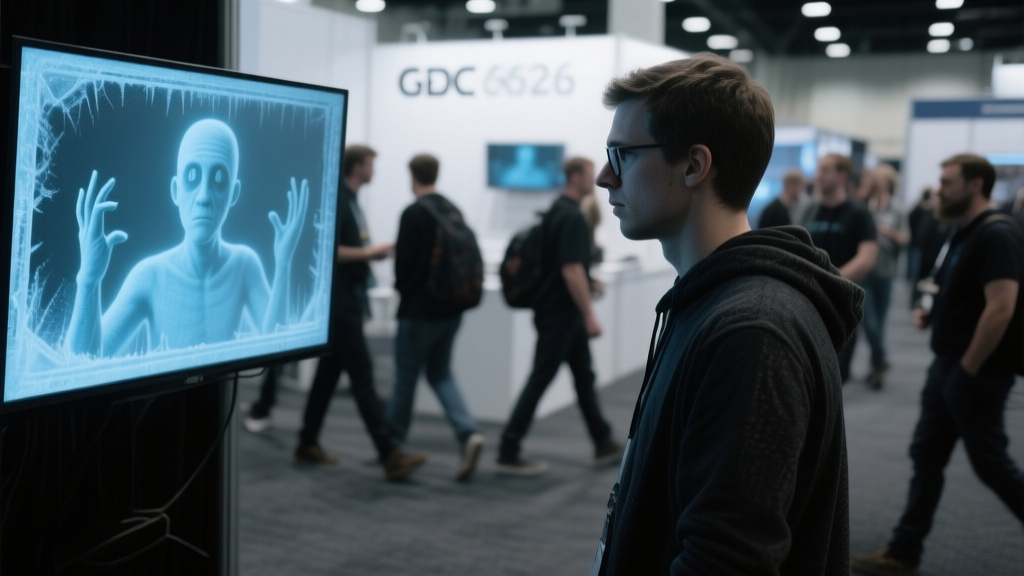
Google’s GDC 2026 showcase of Gemini-powered games was supposed to be a watershed moment for AI in gaming. Instead, it became another entry in the growing ledger of overpromised, underdelivered tech demos. The problem isn’t the technology—it’s the absence of a reason to use it. Generative AI in gaming remains a solution in search of a problem, and players aren’t buying the hype.
The industry has spent years chasing AI-driven narratives, procedural worlds, and NPCs with "emergent" behavior, but the results keep falling flat. Early adopters like Inworld AI and Nvidia’s ACE have delivered flashy tech demos, yet no studio has shipped a game where AI feels essential rather than gimmicky. Even Google’s own DeepMind gaming experiments—once hailed as revolutionary—have struggled to translate into mainstream appeal.
Developers, meanwhile, are growing wary. AI tools promise to cut production costs, but the trade-offs are becoming clear: bland, repetitive content, unpredictable bugs, and a loss of creative control. Studios like Square Enix and Ubisoft have experimented with AI-generated assets, only to face backlash from artists and players alike. The message is simple: if AI can’t make games better, why bother?
The gap between AI demos and player demand widens📷 Published: Apr 15, 2026 at 20:08 UTC
The gap between AI demos and player demand widens
The pushback isn’t just about nostalgia or Luddism—it’s about value. Gamers don’t care about AI for AI’s sake; they care about experiences that feel human. Procedural generation, for example, has been around for decades, but games like No Man’s Sky succeeded by refining it into a tool for exploration, not a crutch for lazy design. Generative AI, by contrast, often feels like a shortcut—one that sacrifices depth for novelty.
The industry’s real bottleneck isn’t technology; it’s imagination. Google’s Gemini games may have dazzled in a controlled demo, but real-world deployment exposes the flaws. NPCs with AI-generated dialogue still break immersion when they repeat the same lines or fail to react meaningfully. Level design tools that auto-generate dungeons produce forgettable, samey environments. Until AI can solve these problems without introducing new ones, it’ll remain a sideshow.
For now, the most telling signal comes from the developers themselves. GitHub activity around gaming-focused AI tools has plateaued, and forums like ResetEra and r/Games are filled with skepticism. The question isn’t whether AI will change gaming—it’s whether the industry can find a way to make that change worth the disruption.
In other words, Google’s GDC demo was less a breakthrough and more a reminder: AI in gaming is still stuck in the "cool tech, bad game" phase. The hype cycle has moved on, but the product hasn’t.