
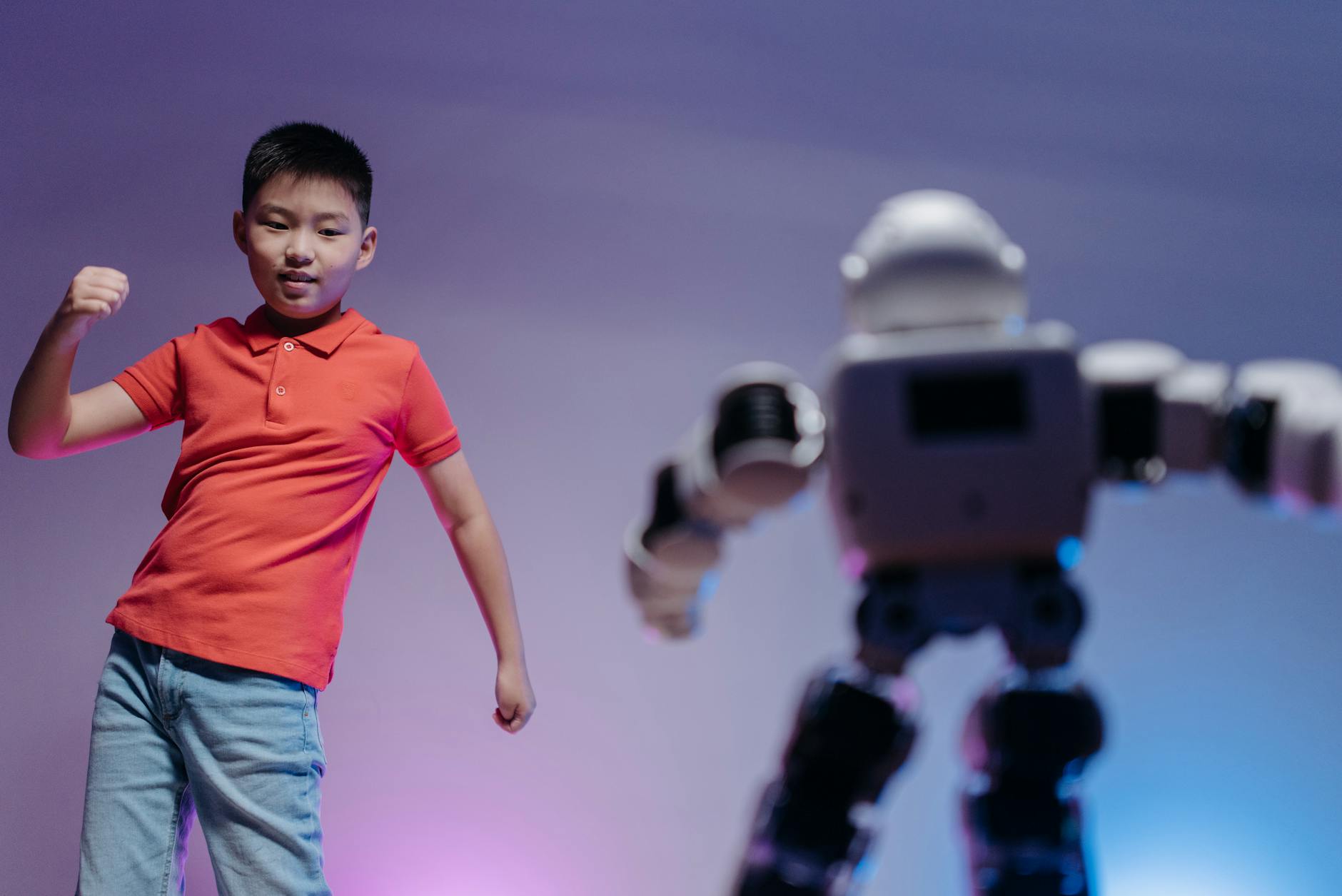
The gig economy’s new job: Teaching robots to move📷 Published: Apr 13, 2026 at 14:11 UTC
- ★Medical student records hand motions for robot training
- ★DIY iPhone setup replaces expensive motion-capture labs
- ★Crowdsourced labor fills AI’s data gap—at gig-worker rates
A medical student in central Nigeria straps an iPhone to his forehead, flips on a ring light, and begins miming hand gestures for an unseen audience: humanoid robot algorithms. This isn’t performance art—it’s piecework for AI training, where gig workers like Zeus generate the datasets that teach machines how humans move. The setup costs less than a used laptop, yet produces data once reserved for million-dollar motion-capture studios.
The shift exposes a quiet truth about robotics: deployment-grade training data is still a bottleneck. Companies like Figure AI and Tesla brag about humanoid agility in demos, but those clips rely on curated datasets—often collected by workers earning fractions of what the robots might one day replace. Early signals suggest platforms are outsourcing this labor to gig economies, where a smartphone and decent lighting qualify you as a data factory.
It’s a clever hack with a catch. The data’s fidelity hinges on unpaid variables: the worker’s consistency, the phone’s frame rate, even the ambient light’s color temperature. Demo-ready robots can afford controlled labs; real-world robots can’t. That gap turns crowdsourced training into a high-volume gamble—one where the house (the AI) always wins, but the workers? Less clear.
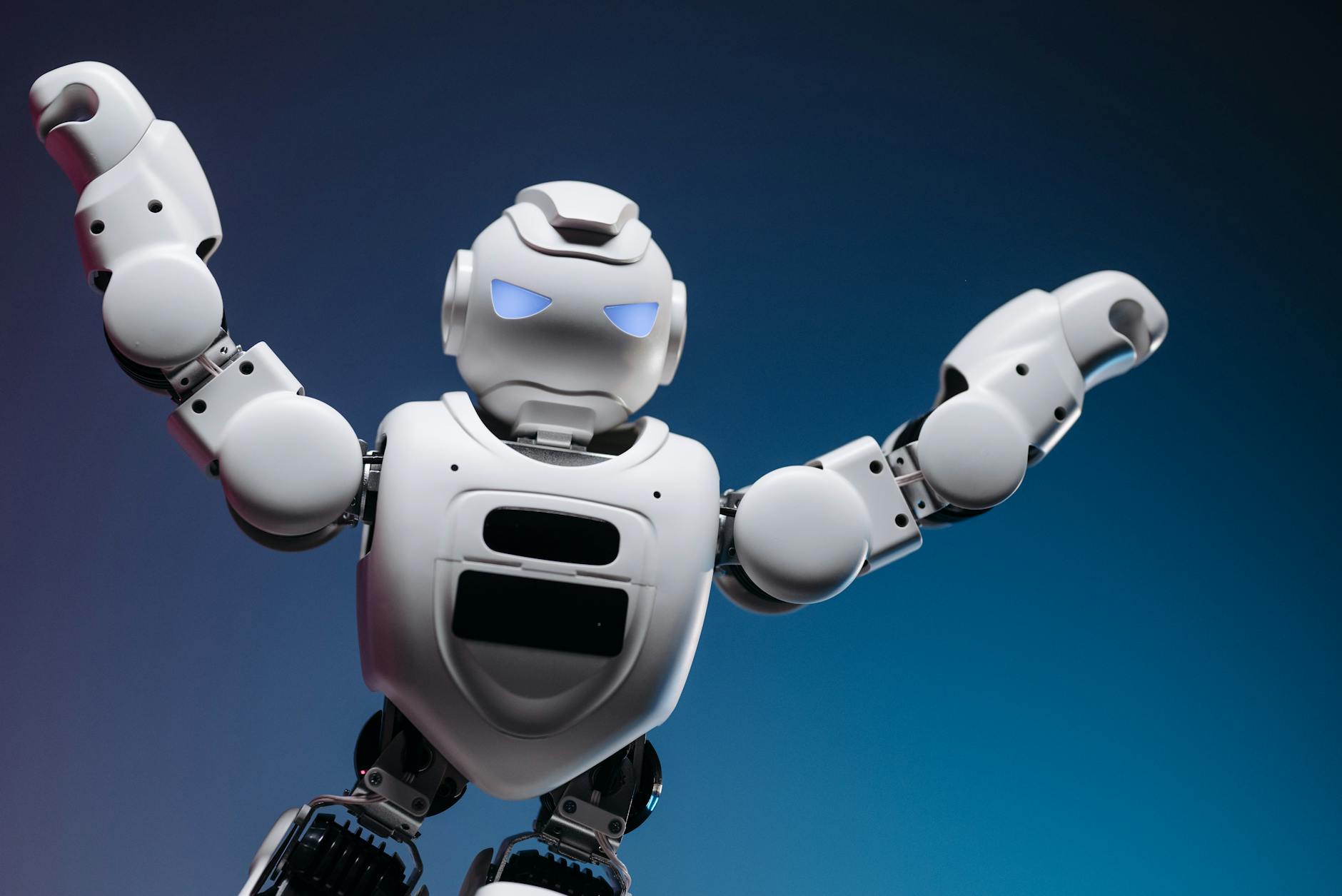
Low-cost labor meets high-stakes robotics: a mismatch waiting for scale📷 Published: Apr 13, 2026 at 14:11 UTC
Low-cost labor meets high-stakes robotics: a mismatch waiting for scale
The hardware limits here aren’t in the robots—they’re in the pipeline. A head-mounted iPhone captures 2D motion, not the 3D spatial precision required for, say, assembling a car door or handing a patient a scalpel. Early adopters might tolerate jittery movements in a warehouse sorting bot, but medical or industrial use cases demand sub-millimeter accuracy—something no amount of gig labor can patch with consumer tech.
Then there’s the deployment friction. Training data collected in a Nigerian studio apartment won’t account for the vibration of a factory floor or the glare of an ER’s overhead lights. The real bottleneck may not be the robots’ algorithms, but the assumption that human motion is universal enough to crowdsource. It’s not. Context matters—and right now, the context is a guy in a hilltop city, recording himself like a sleepwalker for pennies per dataset.
Industry players note the irony: robotics firms burn cash chasing ‘general-purpose’ humanoids, yet their training pipelines rely on the most specific, low-cost labor available. The math only works if you ignore the long tail of edge cases those workers can’t possibly cover—like a robot that’s flawless at waving hello but freezes when handed a coffee cup.
Ask not whether the robot can mimic a human hand, but whether the training data can account for a sweaty palm, a trembling grip, or the way light bends through a latex glove. Until then, the gig workers are just feeding the demo machine.