
Meta's Hyperagents: Recursive Learning or Recursive Hype?

Meta's Hyperagents: Recursive Learning or Recursive Hype?📷 Published: Mar 24, 2026 at 12:00 UTC
- ★Darwin Gödel Machine bridges theory-practice gap
- ★Meta targets code-level evolution, not weights
- ★Self-improvement race intensifies across labs
For decades, the Gödel Machine existed as an elegant thought experiment—proof that recursive self-improvement was theoretically possible, not practically useful. Meta's Darwin Gödel Machine claims to bridge that gap, and the timing is deliberate. The pitch is seductive: systems that don't just optimize for tasks, but rewrite their own learning processes. It's the difference between getting better at chess and getting better at learning new games entirely. The Hyperagents framework represents Meta's attempt to operationalize what's long been called the field's "holy grail"—recursive self-improvement that works outside academic papers.
Here's where the hype filter kicks in: we've seen this movie before. Every major lab has teased self-improving systems; most remain stuck in controlled environments. The question isn't whether DGM is clever—it clearly is—but whether it survives contact with messy, real-world deployment where training data is noisy and objectives shift.
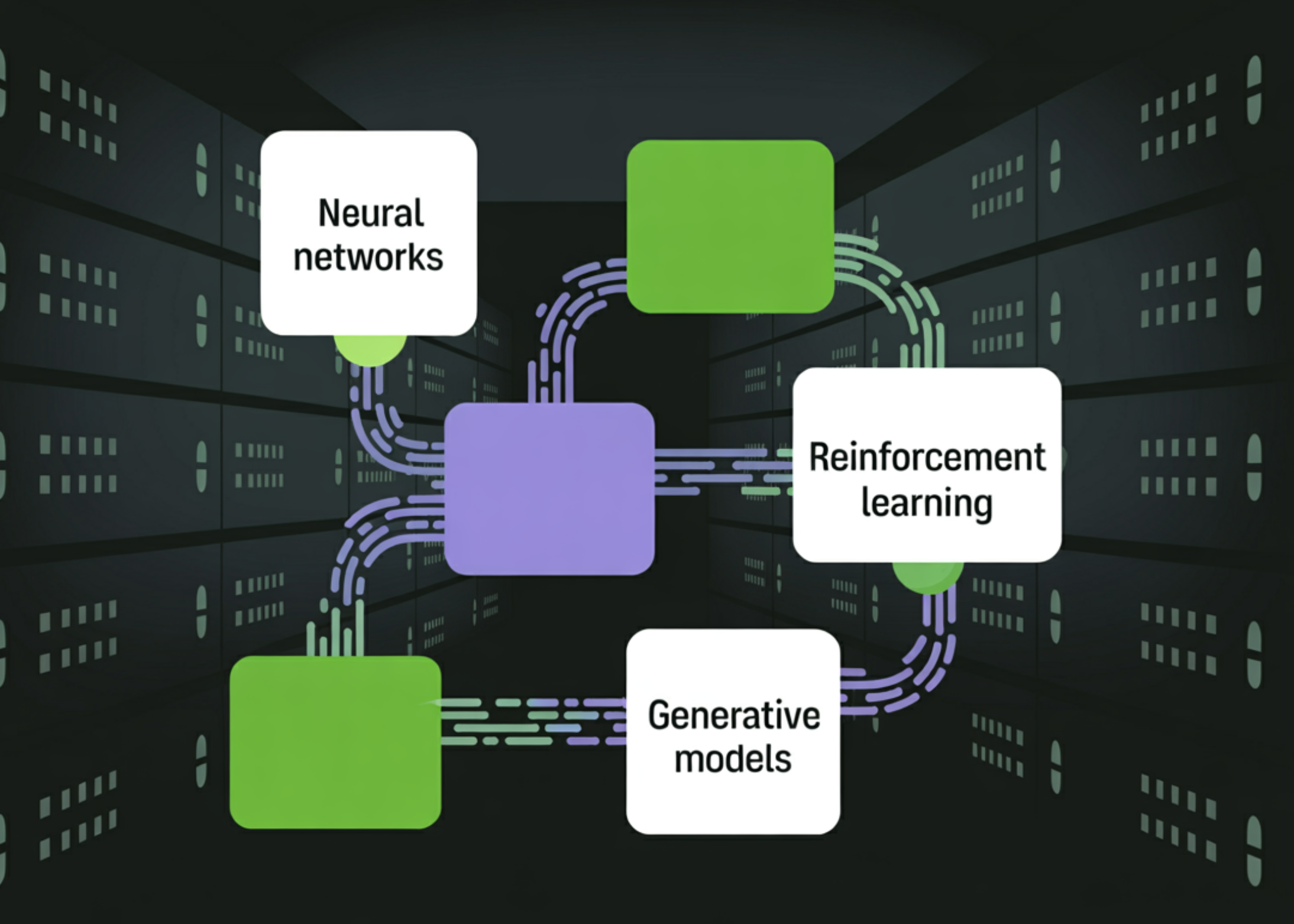
Between Gödel theory and deployable code📷 Published: Mar 24, 2026 at 12:00 UTC
Between Gödel theory and deployable code
According to available information, Meta's approach differs from previous attempts by focusing on code-level evolution rather than just weight optimization. That's meaningful if it holds up under peer review. The competitive stakes are clear: whoever cracks reliable self-improvement gains a compounding advantage in agent development. OpenAI, Anthropic, and Google DeepMind are all chasing similar goals, but Meta's open-weights heritage could accelerate community validation—or expose limitations faster.
What matters now isn't benchmark performance on synthetic tasks, but whether these systems can adapt to novel domains without catastrophic forgetting. That's the deployment gap no press release admits. The developer community hasn't yet formed consensus, but early GitHub activity around similar architectures suggests genuine curiosity tempered by appropriate skepticism. For all the noise around "autonomous learning," the actual story is whether DGM can maintain stability while rewriting itself—a problem that's broken more promising architectures than most labs care to admit.
In other words, we've moved from 'AI that learns' to 'AI that learns how to learn'—which means the marketing teams now have twice as many buzzwords to misapply. The gap between press release and production remains as wide as ever.