
Big Tech’s gas-powered AI gamble: Short-term gain, long-term pain?
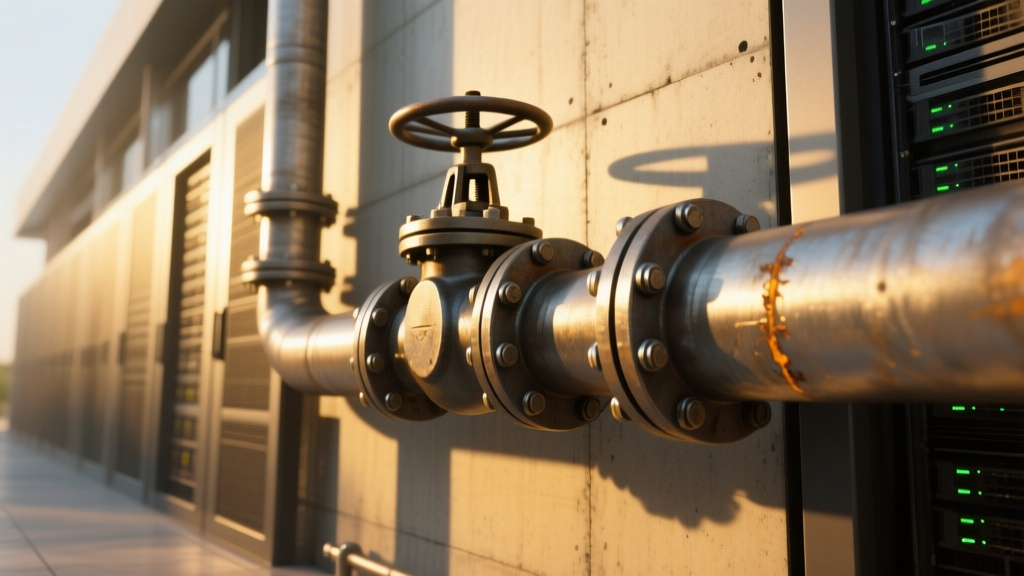
Big Tech’s gas-powered AI gamble: Short-term gain, long-term pain?📷 Source: Web
- ★Meta, Microsoft, Google lock in fossil fuel deals for AI
- ★Natural gas bets clash with net-zero pledges and cost risks
- ★Developers question sustainability tradeoffs for scalability
Big Tech’s AI arms race just hit a fossil fuel speed bump. Meta, Microsoft, and Google are quietly inking deals to build or expand natural gas power plants dedicated to their AI data centers, according to TechCrunch. The moves signal a calculated bet: short-term energy security for AI workloads over long-term sustainability goals. It’s a classic Silicon Valley tradeoff—scale now, consequences later.
The numbers aren’t public, but the pattern is clear. AI training clusters already consume 10–50x more power than traditional workloads, and gas plants offer a faster fix than renewables or nuclear. Microsoft’s 2023 deal with Constellation Energy for nuclear-powered data centers now looks like an outlier—not the rule. The rest of the industry is defaulting to gas, despite its volatility in pricing and carbon footprint.
Developers aren’t cheering. GitHub threads and Hacker News discussions reveal a growing split: engineers focused on deployment speed vs. those calling out the climate hypocrisy. One commenter dubbed it "‘greenwashing with a side of fracking’"—a dig at tech’s habit of offsetting emissions while expanding fossil infrastructure. The real tension? AI’s energy demands are outpacing even the most optimistic renewable timelines.
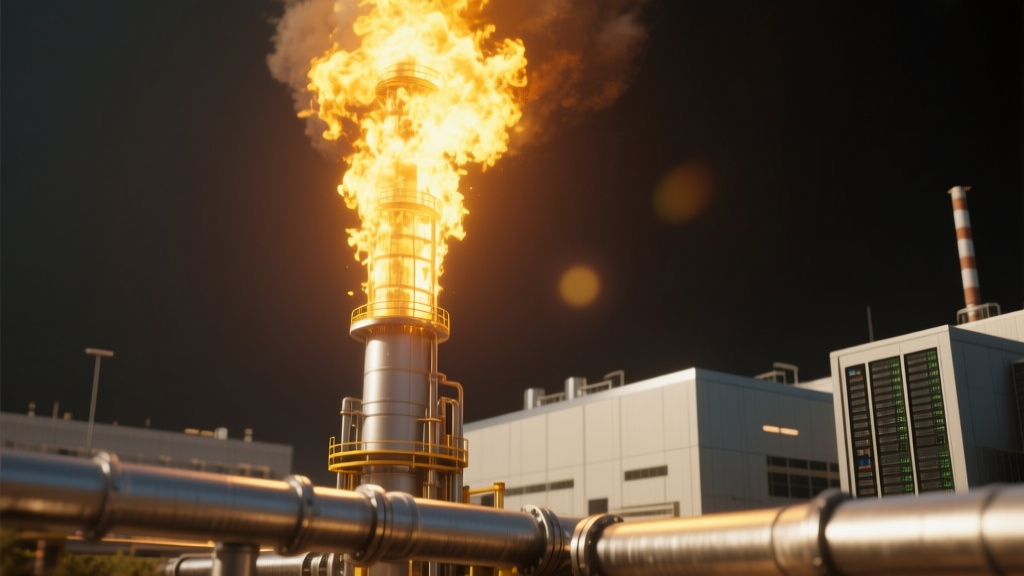
The dirty secret behind AI’s energy hunger isn’t just electricity—it’s infrastructure lock-in📷 Source: Web
The dirty secret behind AI’s energy hunger isn’t just electricity—it’s infrastructure lock-in
The competitive logic is brutal. AI models are doubling in compute needs every 6–12 months, and grid capacity can’t keep up. Gas plants offer firm power—no intermittency, no weather risks. But the lock-in is the catch: once built, these plants commit companies to decades of fossil dependence, regardless of future tech breakthroughs. Meta’s 2030 net-zero pledge suddenly looks shakier when its AI division is signing 15-year gas contracts.
Regulators are noticing. The EU’s AI Act includes sustainability clauses, and U.S. states like Virginia—home to the world’s largest data center cluster—are scrutinizing new gas projects. The risk isn’t just reputational; it’s operational. Gas prices spiked 4x in 2022, and AI margins are thin enough already.
For all the talk of ‘efficient models’ and ‘carbon-neutral AI’, the infrastructure tells a different story. The real signal here isn’t just the gas plants—it’s the admission that today’s AI boom is being built on yesterday’s energy playbook. The question isn’t whether this scales. It’s whether the bill comes due before the hype cycle ends.
The real bottleneck may not be model size or GPU supply—it’s energy policy. Developers building ‘green AI’ tools now face a harsh reality: their code runs on infrastructure that undermines its own premise. Watch for open-source projects to start tracking ‘carbon-per-inference’ as a new benchmark.