
Tesla’s AI4.1 doubles chip memory — is HW4 next?
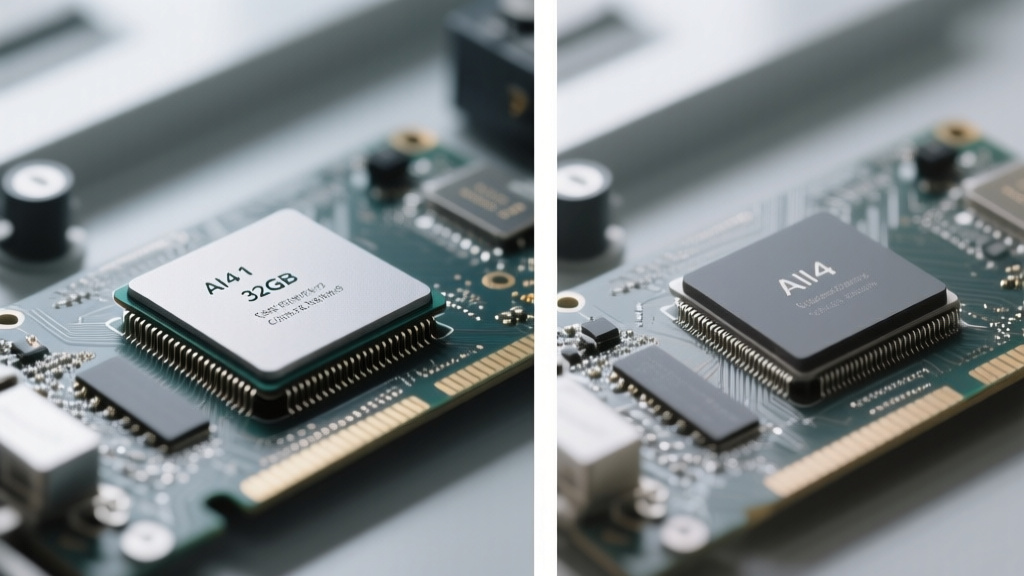
Tesla’s AI4.1 doubles chip memory — is HW4 next?📷 Published: Apr 23, 2026 at 10:12 UTC
- ★64GB RAM comes to AI4 chips
- ★HW3 can’t do unsupervised FSD
- ★HW4 may face the same fate
Elon Musk confirmed during Tesla’s Q1 2026 earnings call that the company is rolling out an upgrade to its AI self-driving computer codenamed AI4.1, or AI4 Plus. The move doubles the RAM per chip from 16GB to 32GB, pushing the total system memory to 64GB. This isn’t just a spec bump—Musk also reiterated that Hardware 3 (HW3) simply lacks the muscle for unsupervised Full Self-Driving (FSD).
The timing suggests Tesla may already be winding down HW4 support. During the same call, Musk walked back earlier ambiguity to declare HW3 incapable of true autonomy. The AI4.1 upgrade’s naming convention—4.1 for a minor revision or Plus for a marked variant—hints the company is preparing a similar transition away from the current generation of hardware.
Owners of HW4 vehicles now face the specter of another hardware refresh. Tesla’s past approach—HW2 to HW3 to HW4—followed a pattern where chip limitations forced upgrades. Early signals suggest the same could happen here, though no official discontinuance timeline has been shared.
A 32GB chip doubles self-driving memory overnight📷 Published: Apr 23, 2026 at 10:12 UTC
A 32GB chip doubles self-driving memory overnight
The practical impact starts with cost. A 64GB system in an AI4.1 car will likely translate to higher price points for new vehicles, and existing owners may see service restrictions as Tesla shifts focus to newer hardware. Tesla’s decision to double down on memory also underscores the relentless data demands of neural networks running modern FSD stacks. Simply put, smarter software needs bigger buffers.
Market context matters too. Rivals like NVIDIA and Mobileye are pushing next-gen platforms with higher bandwidth and lower power draw. Tesla’s AI4.1 keeps it in the game, but the question isn’t whether the hardware is better than HW4—it’s how long Tesla will keep supporting a chip that’s already being outpaced by its own successor.
The real signal here is that Tesla is hedging its bets. Doubling memory today avoids a potential bottleneck tomorrow, but it also telegraphs a future where HW4 becomes legacy sooner than expected. For now, Tesla owners can drive on—but the clock is ticking.
Existing HW4 owners may find themselves on the wrong side of a support cliff, while new buyers shoulder the cost of the upgrade. The math is brutal—capability scales, but budgets don’t.