
A robotic hand that finally knows when to stop squeezing

A robotic hand that finally knows when to stop squeezing📷 Published: Apr 21, 2026 at 02:07 UTC
- ★FORTE combines soft robotics with tactile sensing
- ★Grasps chips and raspberries without damage
- ★Designed for healthcare and manufacturing tasks
The University of Texas at Austin has developed a robotic hand that can grasp a potato chip without shattering it, or hold a raspberry without pulping it. Named FORTE (Fragile Object Grasping with Tactile Sensing), the system pairs soft, deformable fingers with high-resolution pressure sensors that detect exactly how much force each millimeter of surface applies.
This matters because most industrial robots still rely on position control: they know where their gripper is, but not what it's feeling. That works for stamped metal or injection-molded plastic. It fails catastrophically with deformable, irregular, or fragile objects. FORTE's approach—measuring distributed tactile feedback and adjusting grip in real time—mimics how human hands actually work, not how factory automation has historically been designed.
According to published research, the hand uses a combination of pneumatic actuation and embedded force-sensitive resistors. The soft fingers conform to object geometry, while the sensor array prevents the classic failure mode of over-gripping. Early signals suggest the system can handle objects with stiffness varying across three orders of magnitude.
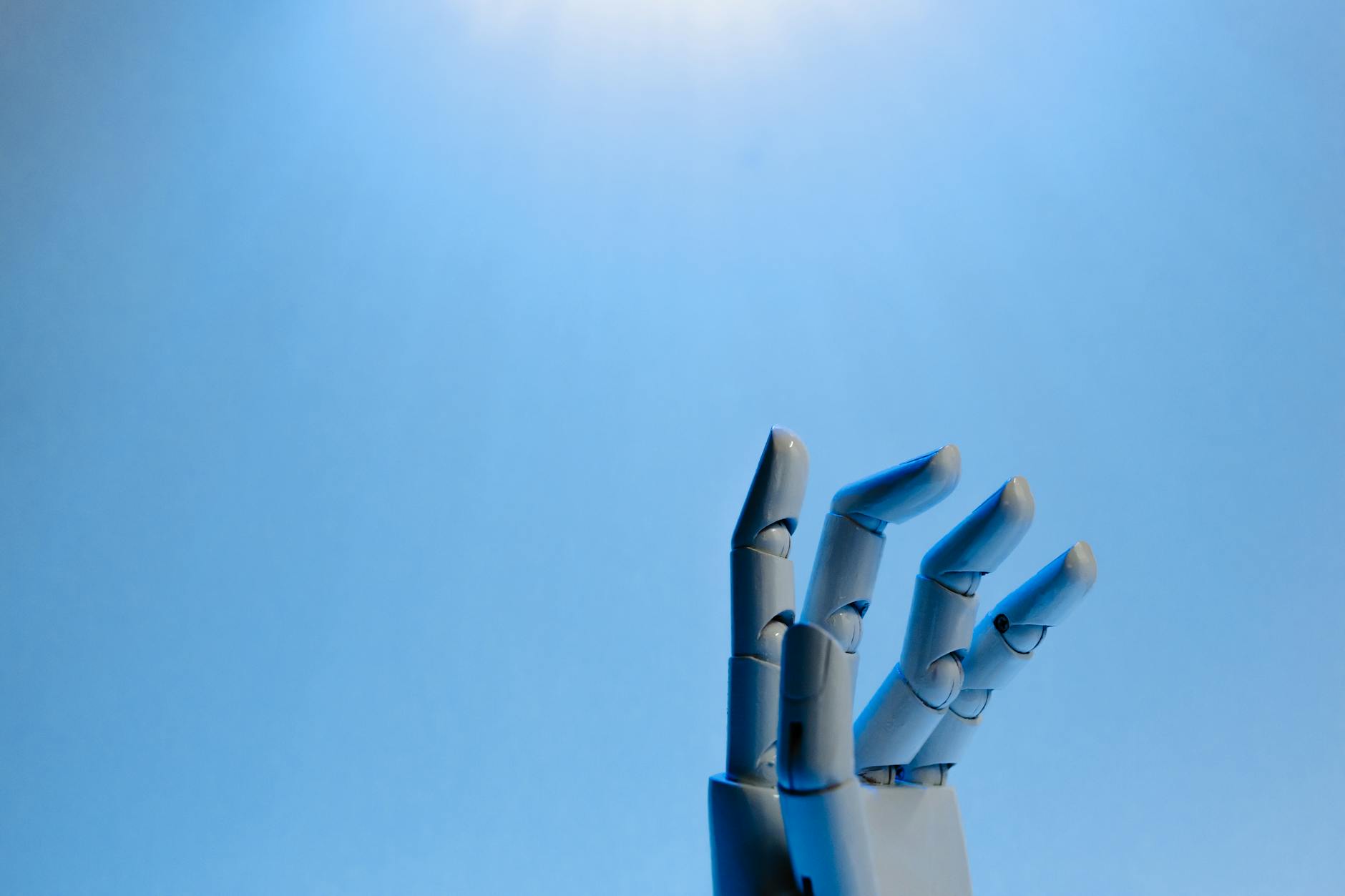
The demo looks effortless. The engineering trade-offs don't.📷 Published: Apr 21, 2026 at 02:07 UTC
The demo looks effortless. The engineering trade-offs don't.
The healthcare applications are obvious but unproven. Surgical robots need tactile feedback to avoid crushing tissue, yet most current systems rely on visual servoing and surgeon intuition relayed through haptic controllers. Manufacturing presents a nearer-term test: food packaging lines lose billions annually to crushed product, and electronics assembly still requires human dexterity for irregular components.
The hardware limits are less visible in the demo videos. Pneumatic soft robots require compressors, tubing, and pressure regulation that add mass and failure points. The sensor arrays need calibration and protection from moisture, oils, and the abrasion of repeated contact. Scale-up questions remain unanswered: how many grasp cycles before material fatigue degrades performance? What's the maintenance interval?
If confirmed in industrial pilots, FORTE could narrow the gap between automation and tasks still reserved for human hands. There's speculation that similar architectures might eventually appear in prosthetics, where naturalistic grip modulation is currently expensive to achieve. For now, the technology represents a specific, useful advance in one of robotics' persistent blind spots: knowing when to stop.
The hand works in a lab. But which insurer will cover a surgical robot that relies on pneumatic lines? Which factory manager will trade uptime for softness?