
Why the Fake iPhone Fold Video Matters More Than the Real Thing
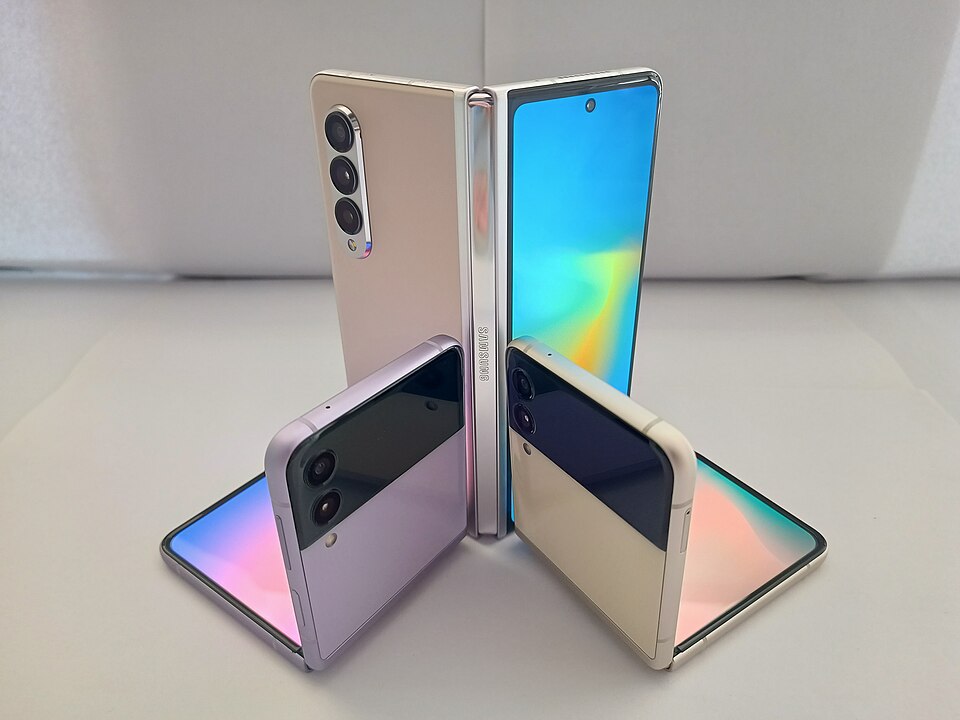
Why the Fake iPhone Fold Video Matters More Than the Real Thing📷 Published: Apr 9, 2026 at 02:34 UTC
- ★AI or 3D-printed hoax exposes foldable hype gaps
- ★Apple’s silence speaks louder than viral specs
- ★User trust erodes faster than folding screen tech
The viral iPhone Fold video wasn’t just a prank—it was a stress test for how easily even tech-savvy audiences mistake fabrication for fact. According to CNET’s forensic breakdown, the clip’s telltale flaws (inconsistent hinge mechanics, unnatural screen creases) were invisible to thousands who shared it as gospel. That’s not a failure of observation; it’s a feature of an ecosystem where leaked renders and concept videos often blur into official announcements before products even exist.
Apple’s refusal to comment on the hoax isn’t just corporate policy—it’s a calculated silence that lets speculation fill the void. While Samsung and Google race to iterate on real foldable hardware (with mixed user satisfaction), Apple’s absence creates a vacuum where even obvious fakes gain traction. The video’s creator, whether an AI tinkerer or a 3D-printing hobbyist, exploited a simple truth: in tech, the idea of a product often outpaces its reality.
This isn’t just about one fake video. It’s about the growing cost of distinguishing vaporware from roadmaps in an industry where patent filings and supply chain whispers are treated as product guarantees. When a $1,800 Galaxy Z Fold 6 still can’t survive a year in most users’ pockets, the fantasy of a perfect Apple foldable becomes catnip for wishful thinking.
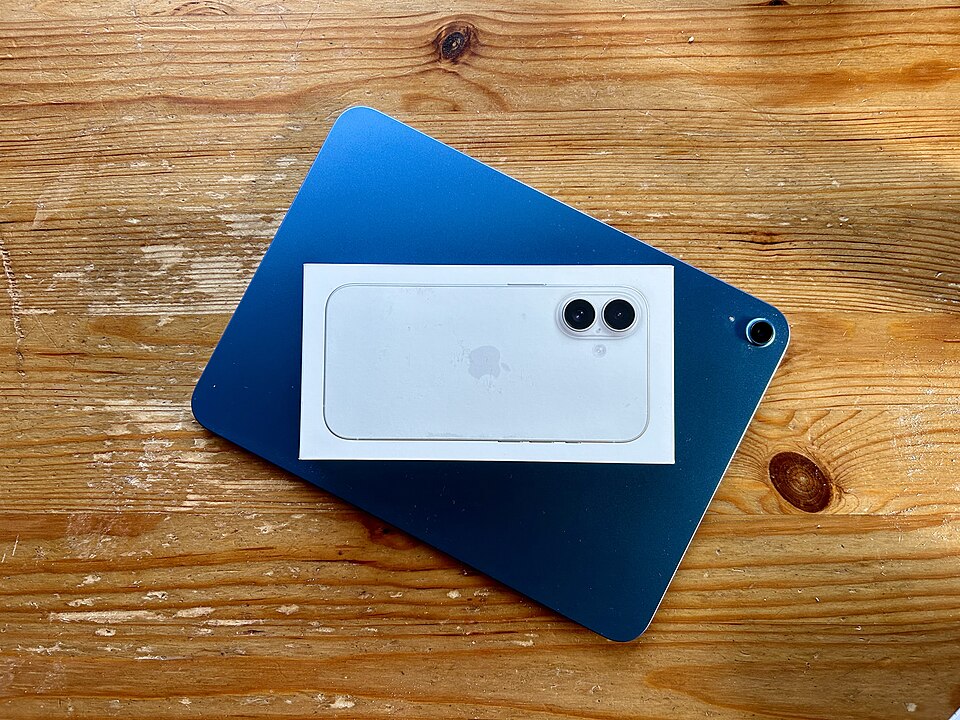
The real cost of a polished lie in an industry built on leaks📷 Published: Apr 9, 2026 at 02:34 UTC
The real cost of a polished lie in an industry built on leaks
The real victim here isn’t Apple’s reputation—it’s user trust in the entire foldable category. Early adopters already face durability concerns and software quirks; now they must also navigate a minefield of AI-generated hype. For developers, this means wasted resources chasing rumors—like the iOS foldable app adaptations that may never materialize.
The video’s polished production values reveal another shift: the tools to fake tech demos are now as accessible as the tools to build them. A Midjourney-generated iPhone or a 3D-printed prototype can fool millions for days, forcing legitimate leakers like Mark Gurman to spend cycles debunking instead of reporting. That’s time diverted from covering real innovations—like the under-display camera tech that could actually improve foldables.
Most damning? The hoax worked because it aligned with user desires. Apple’s 2023 patent for a self-healing foldable display wasn’t a product announcement, but it primed audiences to believe anything was possible. When the gap between ‘could exist’ and ‘does exist’ disappears, the only losers are the users left holding the bill—literally, if they pre-order based on a lie.
Here’s the unanswered question: If a fake product can generate more excitement than real ones, what does that say about the state of innovation? Are we building tech for users—or just feeding the content machine that sells the dream of it?