
A&K Robotics raises $8M to push terminal autonomy
A&K Robotics raises $8M to push terminal autonomy📷 Published: Apr 23, 2026 at 10:10 UTC
- ★$8M funding round closed
- ★Terminal automation focus emerges
- ★Production scale-up begins
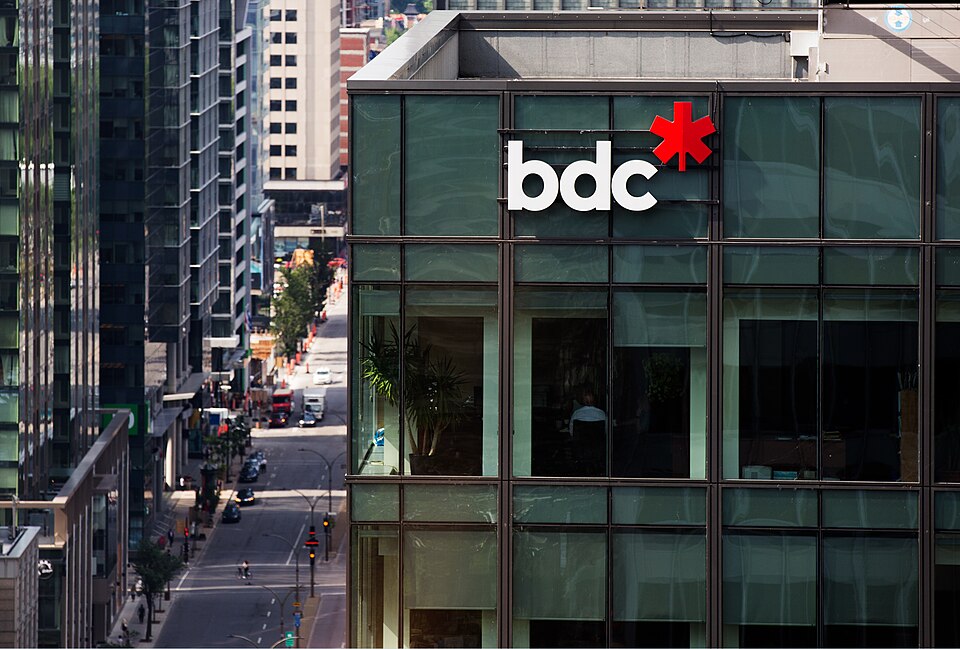
A&K Robotics just secured $8 million to scale manufacturing of its autonomous mobility systems, with the Business Development Bank of Canada leading the round alongside Vantage Futures. The capital injection targets both R&D and production lines, signaling serious intent to move beyond pilot projects.
While the headline mentions ‘terminal autonomy,’ A&K’s core technology revolves around self-driving cargo movers designed for port and logistics hubs. Early deployments show promise in structured environments, but scaling remains the real test—a challenge this funding directly addresses.
Industry watchers note that terminal automation suffers from a classic demo gap: proofs of concept work in controlled conditions, but real-world logistics nodes bristle with unpredictability. A&K’s push to expand capacity hints at confidence in their hardware’s adaptability.
For ports already straining under labor shortages and throughput demands, the question isn’t whether autonomy can work, but how quickly it can be trusted in daily operations.
Eight million dollars won’t solve everything. Here’s what it will move.📷 Published: Apr 23, 2026 at 10:10 UTC
Eight million dollars won’t solve everything. Here’s what it will move.
The funding’s emphasis on R&D suggests A&K is betting big on software robustness over flashy hardware demos. Their systems reportedly use LiDAR and AI pathfinding to navigate tight terminal spaces, but deployment readiness hinges on latency, fail-safes, and integration with legacy infrastructure.
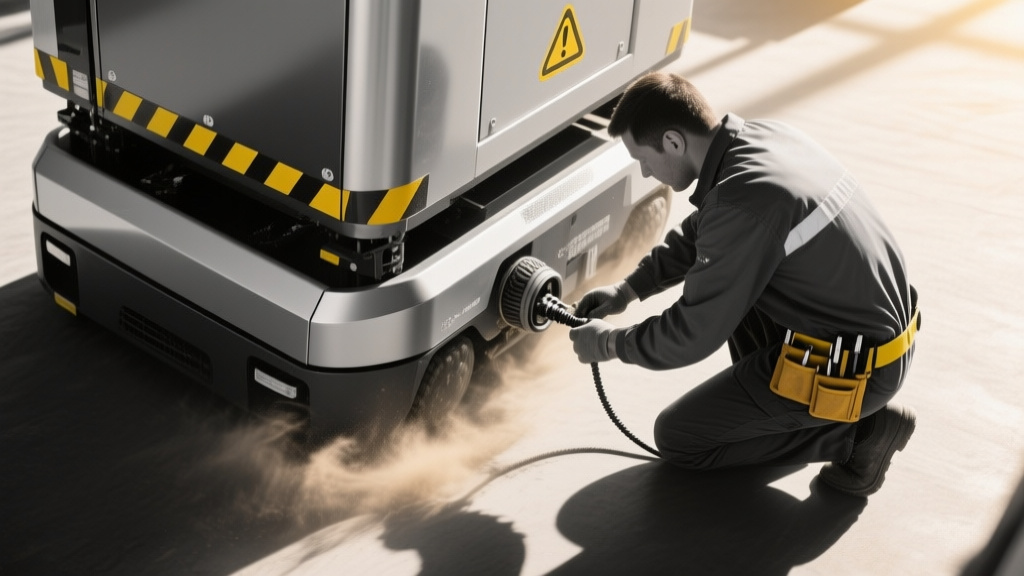
Hardware limits loom large here. Terminal environments are harsh—dust, vibrations, and tight corners punish poorly optimized designs. A&K’s ability to weather these conditions will separate their tech from the sleek but fragile prototypes crowding trade shows.
Real-world use cases center on container yards and intermodal hubs, where repetitive, high-volume tasks dominate. These aren’t glamorous deployments, but they’re where autonomy delivers measurable ROI—cutting labor costs and reducing bottlenecks.
What remains unclear is the timeline for wide adoption. Ports operate on decade-long capital cycles; even the most promising tech must align with maintenance windows and safety certifications.
For ports, this funding is a shot at reducing one of their biggest cost centers: manual labor in constrained spaces. If A&K can deliver, the economics of terminal automation could tip decisively in their favor within five years.