
Tumor-hunting probiotics: A precision tool, not yet a cure
Source — Source📷 Source: Web
- ★Engineered bacteria deliver drugs directly to mouse tumors
- ★Targeted approach *may* cut side effects—if human trials succeed
- ★Regulatory pipeline: Still years from clinical testing
A team of researchers has reprogrammed E. coli Nissle—a strain of probiotic bacteria—to act as microscopic drug factories that seek out and infiltrate tumors. In mouse models of colorectal cancer, these engineered bacteria successfully colonized tumor tissues and locally produced a therapeutic protein designed to shrink malignancies. The study, published in Science Translational Medicine, demonstrates a proof of concept: using living microbes to deliver treatments with surgical precision, sparing healthy tissue.
This isn’t the first attempt to weaponize bacteria against cancer, but the precision of the delivery system sets it apart. Unlike systemic chemotherapy, which floods the body with toxins, the bacteria’s drug production is triggered only upon contact with tumor-specific conditions. Early signals suggest this could reduce collateral damage to healthy cells—a persistent limitation of conventional therapies. Yet the study’s scope is narrow: it tested a single bacterial strain, one drug payload, and one cancer type in rodents.
The clinical relevance today? Exactly zero. "This is a highly controlled experiment in mice," notes Dr. Susan Erdman, a microbial immunologist unaffiliated with the study. "The jump to human biology—with its complex immune responses and tumor heterogeneity—is enormous."
Early-stage research shows promise—but the leap to patients remains vast📷 Source: Web
Early-stage research shows promise—but the leap to patients remains vast
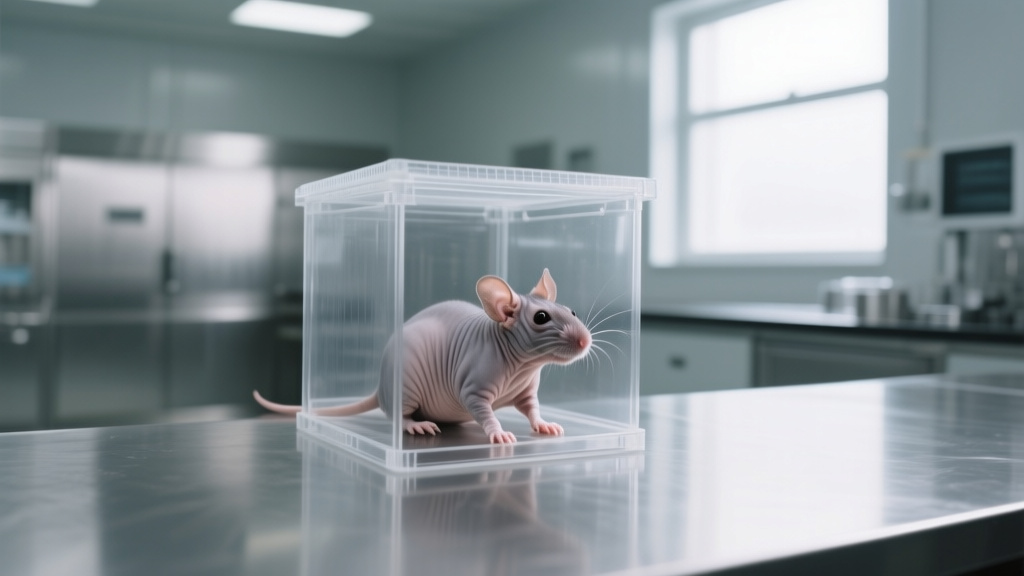
The study’s methodology carries inherent limits. Researchers used immunocompromised mice to avoid rejection of the bacterial therapy, a common shortcut in preclinical work that sidesteps how a healthy immune system might react. The tumor models were also implanted rather than spontaneously arising, which some oncologists argue simplifies the challenge of targeting naturally occurring cancers. These are not flaws—they’re deliberate trade-offs to isolate variables—but they underscore how far the findings are from clinical reality.
Regulatory hurdles loom larger still. The FDA has yet to approve any bacterial therapy for cancer, and the path for live biotherapeutics is notoriously slow. Even if safety trials begin soon, efficacy in humans could take a decade to confirm. For patients today, this remains a research curiosity—not a treatment option. The real signal here isn’t a breakthrough but a incremental step toward smarter drug delivery.
What’s missing from the conversation? Long-term data. The study tracked mice for weeks, not years. Chronic bacterial colonization—intended or accidental—could have unintended consequences, from immune overreaction to microbial resistance. "We’re introducing a living system," cautions Dr. Tal Danino, a synthetic biologist studying bacterial therapies. "Living systems evolve."