
Eli Lilly’s $2.75B AI Bet: What the Deal Actually Means
Eli Lilly’s $2.75B AI Bet: What the Deal Actually Means📷 Published: Apr 13, 2026 at 18:15 UTC
- ★$115M upfront for AI-designed oral therapeutics
- ★Exclusive global license—with unproven clinical impact
- ★Regulatory milestones years away, if ever
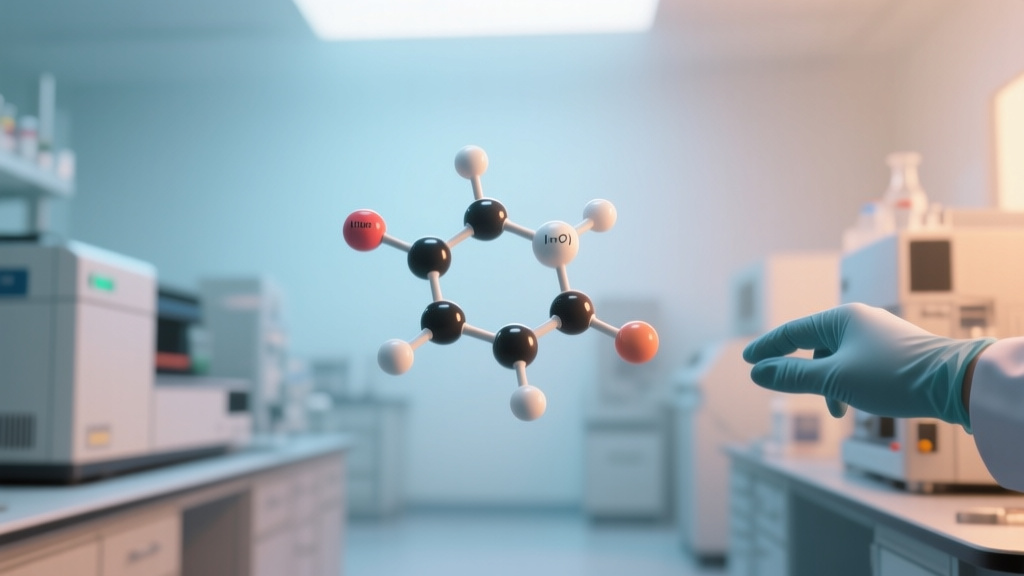
Eli Lilly’s up-to-$2.75 billion collaboration with Insilico Medicine isn’t just another pharma-AI partnership. It’s a calculated gamble on whether artificial intelligence can design viable oral therapeutics—not just plausible ones. The deal grants Lilly exclusive global rights to develop, manufacture, and commercialize Insilico’s AI-generated compounds, starting with a $115 million upfront payment and structured milestones tied to development, regulatory, and commercial progress.
The therapeutics in question are framed as “potentially best-in-class”, a phrase that carries more marketing weight than clinical certainty. Insilico’s platform, which uses generative AI to propose novel molecular structures, has yet to produce an FDA-approved drug. The collaboration’s value hinges on an untested assumption: that AI-optimized compounds will perform better in human trials than traditional candidates.
This isn’t Lilly’s first AI rodeo—the company has partnered with other AI firms like Absci and XtalPi—but the scale here is notable. The real question isn’t whether Insilico’s algorithms work in silico. It’s whether they work in patients, a hurdle no AI-designed drug has fully cleared at this scale.
A high-stakes collaboration where the real test isn’t the algorithm—it’s the biology📷 Published: Apr 13, 2026 at 18:15 UTC
A high-stakes collaboration where the real test isn’t the algorithm—it’s the biology
The deal’s structure reveals cautious optimism. Lilly isn’t betting $2.75 billion upfront; the bulk is contingent on milestones most AI-designed drugs never reach. Regulatory approval remains the bottleneck, and Insilico’s pipeline—while advanced for AI—still lacks Phase III validation. The “novel oral therapeutics” at the center of this agreement are, for now, computational hypotheses.
For patients, this changes nothing today. AI-accelerated discovery may shorten timelines, but the clinical trial failure rate for novel compounds remains stubbornly high. Lilly’s move reflects industry-wide pressure to innovate, yet the evidence grade for AI-designed drugs is still preclinical or early-phase—far from the “proven therapy” threshold.
The collaboration’s success depends on biology, not code. Insilico’s Pharma.AI platform may excel at generating molecules, but Lilly’s manufacturing and trial expertise will determine whether they’re safe and effective. Until then, this is a bet on potential, not a breakthrough.
In other words, the headline-grabbing dollar figure obscures a simpler truth: AI can propose drugs faster, but it can’t guarantee they’ll work. The real signal here isn’t the technology’s promise—it’s the industry’s willingness to pay for unproven speed.