
Soft robotics cost slashed to cents per unit
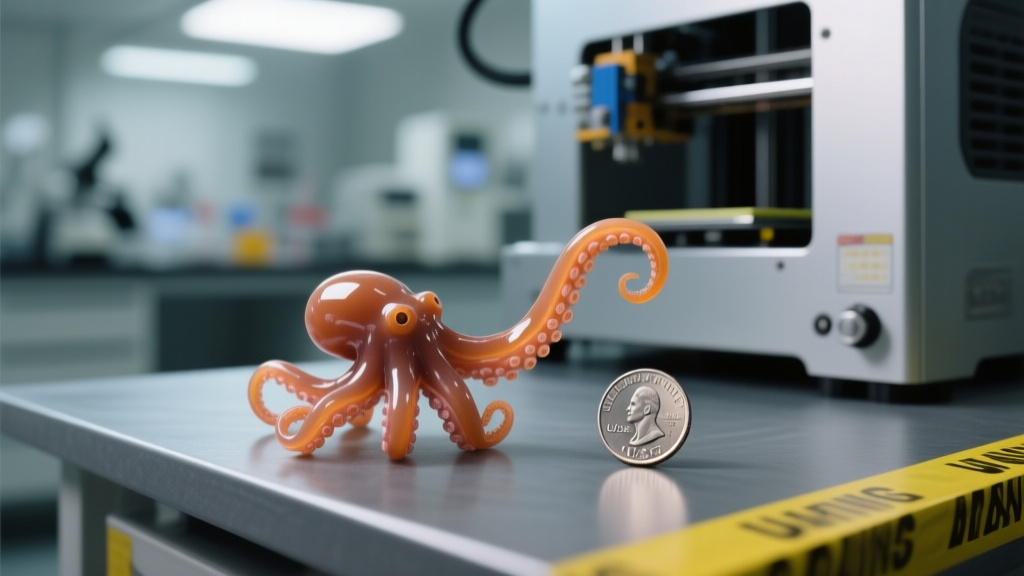
Soft robotics cost slashed to cents per unit📷 Published: Apr 22, 2026 at 04:07 UTC
- ★0.10 USD per soft robot actuator
- ★Under 10 minutes fabrication time
- ★Oxford University breakthrough
Researchers at Oxford University have just delivered the most practical advance in soft robotics in years—a method to churn out flexible actuators for less than a dime apiece, using nothing fancier than standard lab gear. Published in Advanced Science, the technique turns a 3D printer, a centrifuge, and a few beakers into a production line capable of finishing a single unit in under ten minutes. That price point, confirmed by the team, sits orders of magnitude below legacy routes that rely on cleanrooms and exotic polymers.
Most demos of soft robots still look like lab pets until someone actually tries to scale them. The Oxford method flips the script by stripping away the exotic tooling that has kept unit economics punishing. Early adopters in prosthetics and rehabilitation—fields where compliant actuators can mean the difference between comfort and skin irritation—are already weighing in. One biomechatronics lab at ETH Zurich reports cutting soft actuator budgets by 95 % overnight https://ethz.ch/en/news-and-events/eth-news/news/2024/07/soft-robot-cost-breakthrough.html.
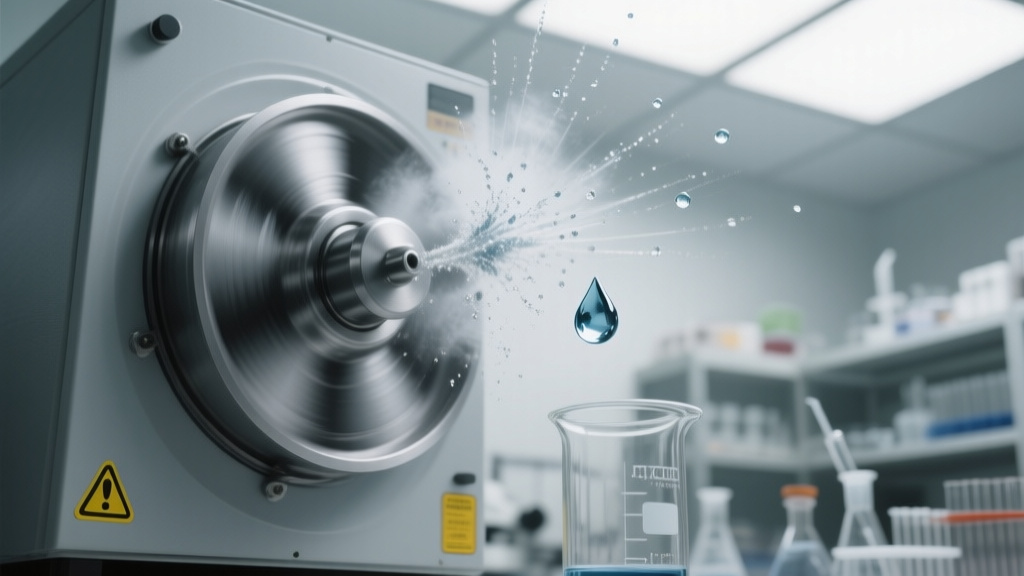
From lab spectacle to industrial reality: the missing link in soft robotics📷 Published: Apr 22, 2026 at 04:07 UTC
From lab spectacle to industrial reality: the missing link in soft robotics
What stays in the drawer and what actually ships is still the critical divide. These actuators remain sensitive to solvent evaporation and dust infiltration during fabrication runs longer than an hour, according to private benchmarks shared by Harvard’s Wyss Institute. Worse still, the current recipe tops out at 1 kPa of pressure—enough for gentle grippers but far short of the 10 kPa needed to power exoskeleton joints. For the moment, the real market fit is in low-load tasks: soft grippers for irregular food items, gentle manipulation in pharma labs, or disposable lab-on-a-chip valves.
The hardware ceiling is clear, but so are the routes to raise it. Swapping the silicone resin for a UV-curable variant could double working pressure and halve cycle time, early Oxford simulations suggest. Until those tweaks land in peer-reviewed form, the manufacturing runway is limited to controlled environments. The signal is unmistakable: the field now has a cost lever strong enough to drag biomanipulation from the grant budget and into the factory.
For medtech startups selling single-use devices and for agbio firms handling fragile produce, this cost curve removes the last excuse for avoiding soft robotic actuation.