
Tesla’s Optimus pivot bet: 10M robots by 2030
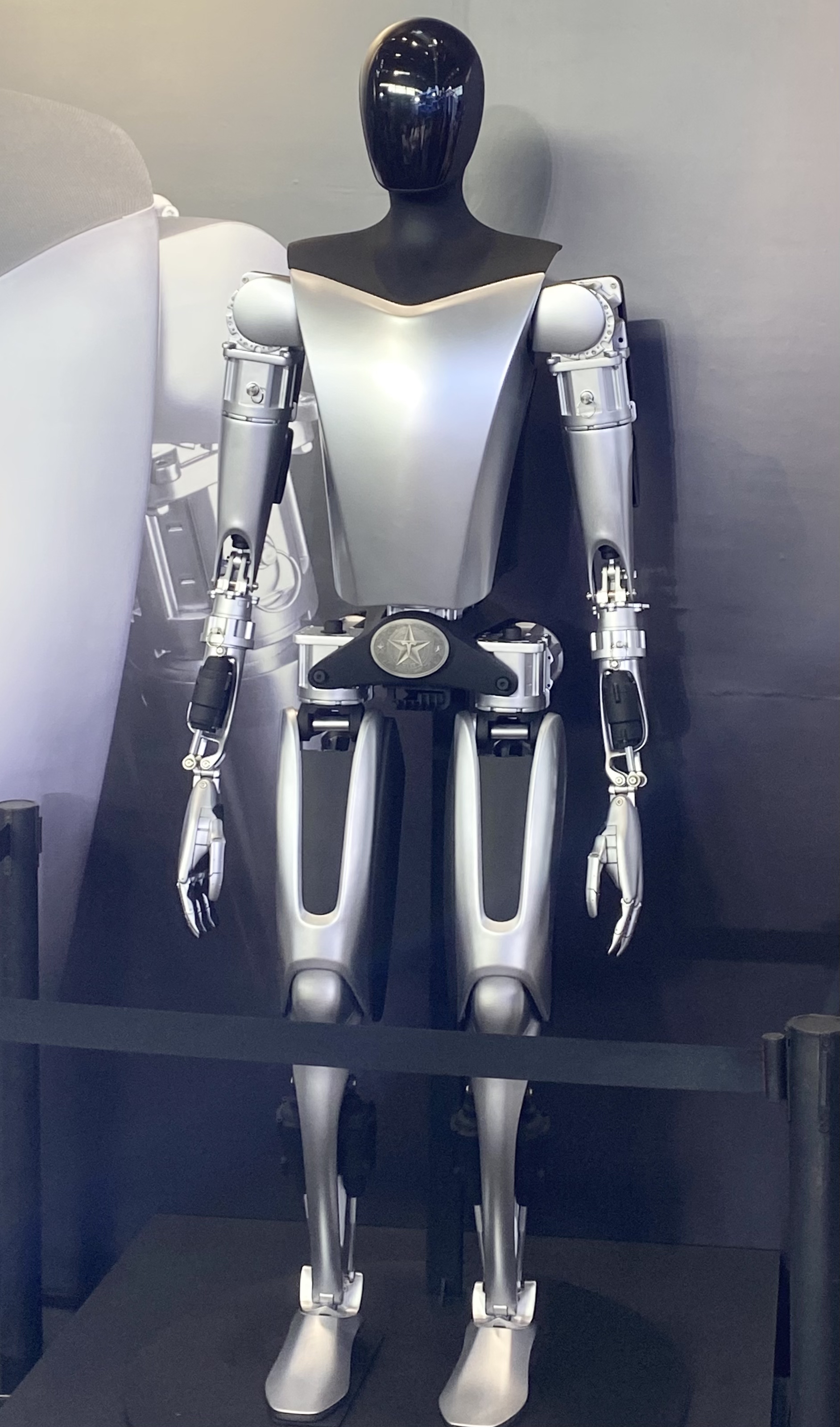
Tesla’s Optimus pivot bet: 10M robots by 2030📷 Published: Apr 23, 2026 at 09:06 UTC
- ★Texas plant breaks ground Q2 2026
- ★Fremont lines retired for robotics
- ★10M Optimus units target
Tesla’s upcoming Texas plant isn’t just another factory—it’s a bet that humanoid robots will outpace electric vehicles in the 2030s.
The first Optimus units roll off the line in Q2 2026, marking the end of Fremont’s legacy car production and the start of a robotics-first era at Tesla. Early renders show a deceptively simple humanoid frame, but the real leap is Tesla’s stated goal: 10 million units within a decade.
That target assumes the robot can escape the demo stage and function in real-world noise, dust, and human traffic. Current humanoid robots from Boston Dynamics and Agility Robotics operate in controlled environments—warehouses with mapped floors and preprogrammed tasks. Tesla’s claim implies a 50x scale-up in both reliability and throughput, a jump no competitor has matched.
The Texas facility’s design suggests automation from day one. If Tesla succeeds in integrating Optimus into existing vehicle plants, it could redefine manufacturing efficiency. But the hardware must first survive the chaos of a real factory floor.

From lab toy to industrial workhorse: the gap Tesla is racing to close📷 Published: Apr 23, 2026 at 09:06 UTC
From lab toy to industrial workhorse: the gap Tesla is racing to close
The use cases touted—logistics, assembly, even medical aid—sound plausible, but none have been stress-tested at scale. Community chatter focuses on Tesla’s EV slowdown if Optimus flops, yet the company’s push aligns with broader industry trends: Boston Dynamics’ recent $800M funding round and Hyundai’s humanoid robot joint venture.
Hardware limits are the elephant in the room. Optimus’s 220-pound frame and 26 actuated joints require energy-dense batteries and precise torque control. Tesla’s 4680 cell tech may help, but thermal management and wear-and-tear in a decade-long deployment remain unproven. Safety certifications for collaborative robots (cobots) typically cap speeds at 2 m/s—will Optimus exceed that in practice?
The promo videos won’t show the robot dropping a wrench on a coworker’s foot. That’s the real demo gap.