
AI Lego Cartoons Wage Proxy War on Trump📷 Published: Apr 18, 2026 at 14:23 UTC
- ★Pro-Iran group uses AI cartoons
- ★Lego aesthetic masks propaganda
- ★Geopolitical troll farm exposed
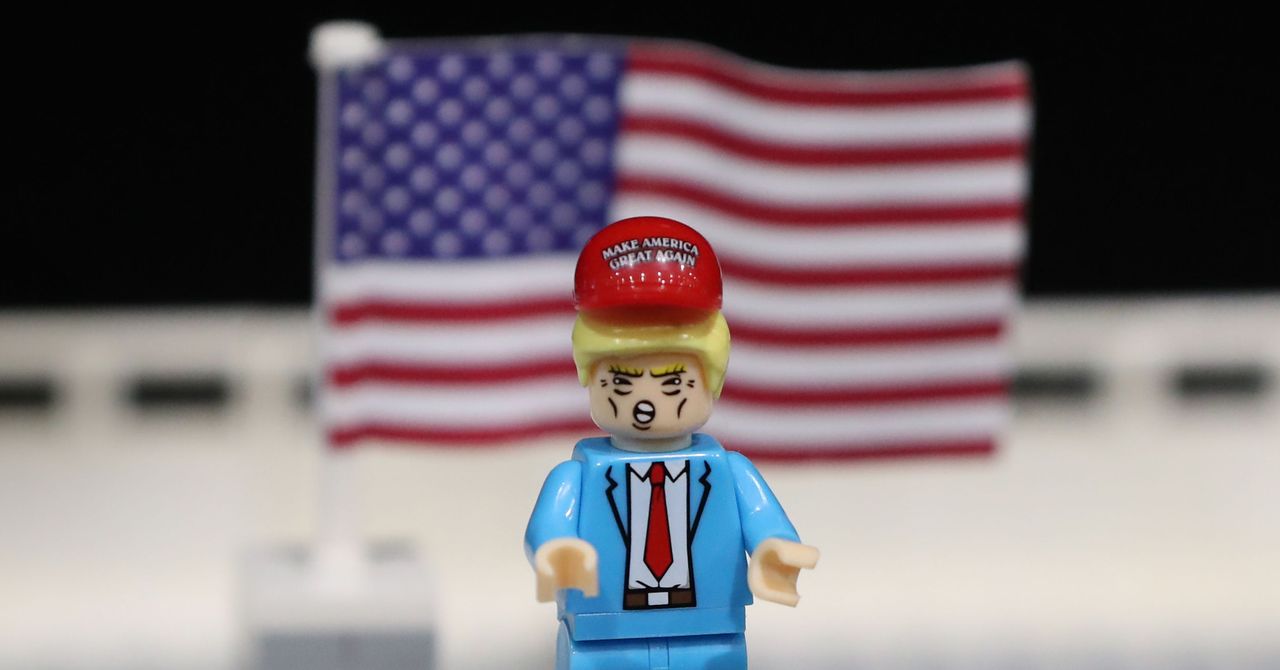
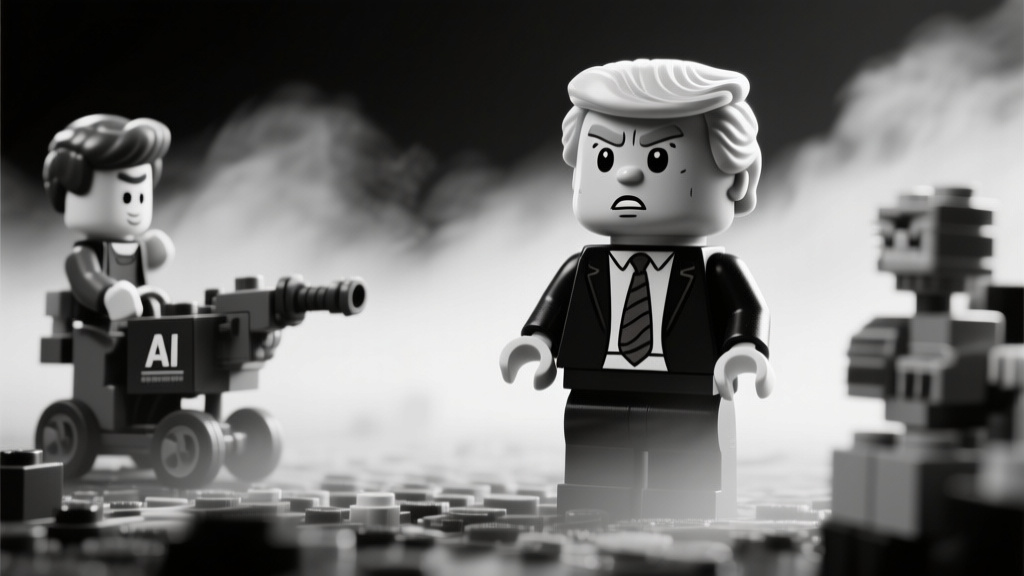
Explosive Media’s AI-generated Lego cartoons have flooded social feeds since the Iran conflict escalated, producing over a dozen viral mock-ups of Donald Trump and US officials. The group’s output isn’t just memetic noise; it’s a calculated gambit to weaponize nostalgia against geopolitical adversaries. By leaning into the playful aesthetic of Lego animations, the campaign blurs the line between harmless content and deliberate disinformation.
Early signals suggest this tactic exploits platform algorithms trained to amplify engaging visuals, regardless of intent. The videos’ timing—aligned with real-world escalations—hints at a coordinated push rather than organic virality. While the exact origins of Explosive Media remain opaque, the method itself speaks to a broader shift: AI isn’t just generating images, it’s being weaponized to reshape narrative battlespaces.
The Lego style isn’t accidental. It defuses skepticism by wrapping political messaging in child-friendly packaging, a trick borrowed from Russian IRA playbooks but upgraded for the generative AI era. Platforms are struggling to flag synthetic content when it’s wrapped in bright, synthetic nostalgia.
Propaganda meets generative AI in a visual arms race📷 Published: Apr 18, 2026 at 14:23 UTC
Propaganda meets generative AI in a visual arms race
Benchmarks matter little here. Synthetic media detection tools still trail the creativity of adversarial producers, who adapt faster than moderation systems can respond. This isn’t a failure of technology so much as a mismatch between corporate AI timelines and asymmetric information warfare.
For developers, the takeaway is stark: the next wave of disinformation won’t rely on deepfakes alone. It’ll co-opt familiar aesthetics, exploiting platform biases toward engaging content. The real signal isn’t the novelty of AI cartoons—it’s the speed at which they’re being operationalized by state-aligned actors.
Open questions linger about enforcement. If platforms clamp down on synthetic visuals, will they inadvertently censor legitimate satire? The tools meant to democratize creativity are now also democratizing disinformation tactics.
AI cartoons aren’t just a gimmick—they’re the latest front in an arms race where every pixel is a potential casualty. The only certainty is that the hype cycle will keep accelerating even as the ethics lag behind.