
Ultrasonic cavitation cracks open solar's recycling bottleneck

Ultrasonic cavitation cracks open solar's recycling bottleneck📷 Published: Apr 18, 2026 at 12:19 UTC
- ★82.2% delamination efficiency achieved
- ★Solvent-free process for c-Si modules
- ★Glass and EVA fully separated
Solar panels were never built to be taken apart. At end of life, crystalline-silicon modules present a nightmare of bonded layers—glass, ethylene-vinyl acetate (EVA), silicon cells, and metal frames fused together by decades of weather exposure. Traditional recycling leans on aggressive chemicals or high-temperature pyrolysis, both energy-intensive and environmentally costly. The German-Turkish research team's method sidesteps this entirely.
Ultrasonic cavitation uses high-frequency sound waves to create microscopic bubbles in a liquid medium. When these bubbles collapse, they generate localized shock waves that fracture adhesive bonds without attacking the materials themselves. The researchers achieved full separation of glass and front EVA while partially releasing silicon fragments—critical because silicon recovery remains the most valuable and energy-intensive part of the recycling equation.
The 82.2% mass-based efficiency figure matters less as a bragging point than as a threshold. Current industrial recycling often struggles to exceed 70% material recovery, with silicon frequently lost to chemical dissolution or contamination. This method keeps the silicon intact enough for potential direct reuse.
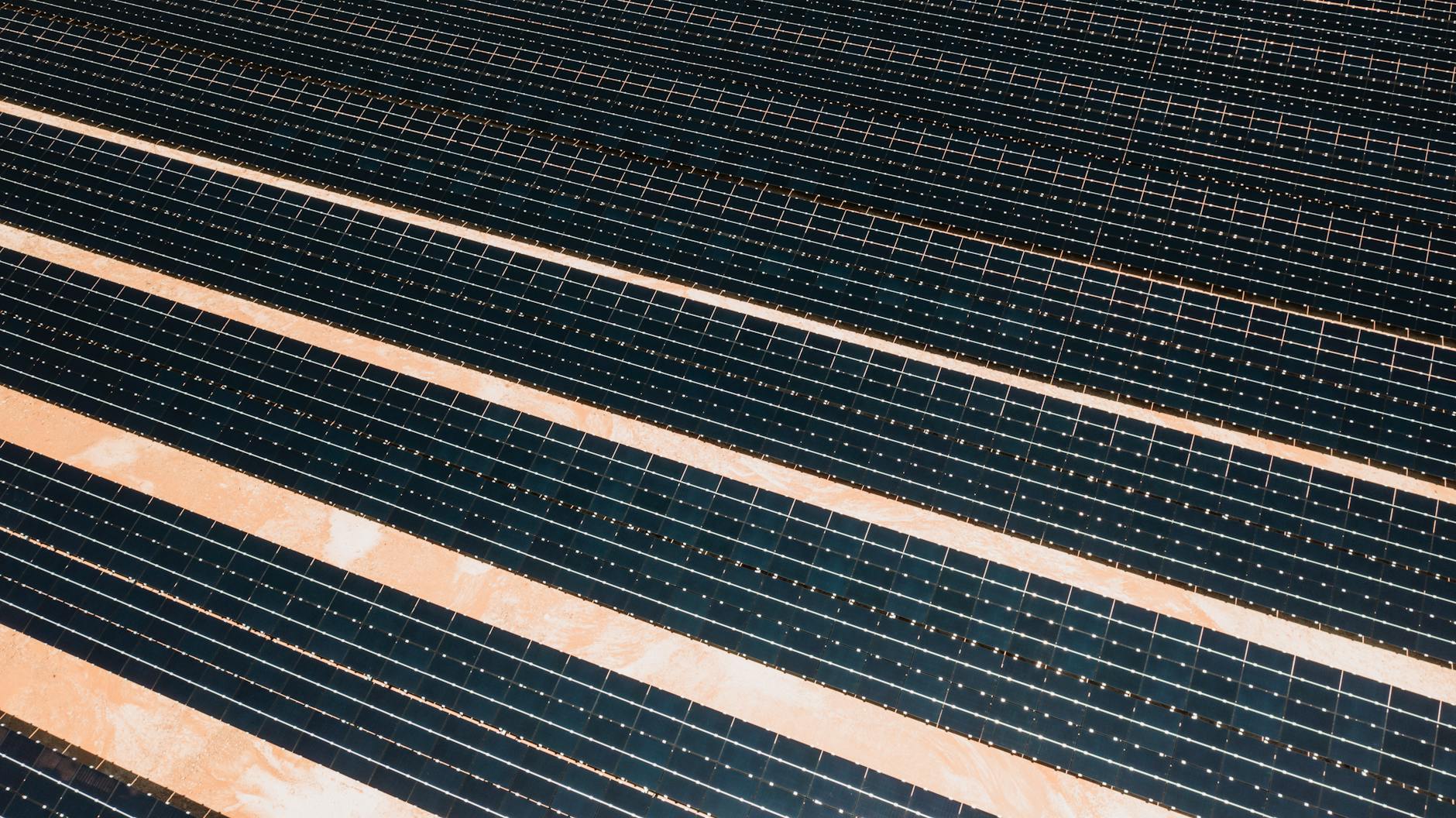
The recycling gap that threatens solar's green credentials📷 Published: Apr 18, 2026 at 12:19 UTC
The recycling gap that threatens solar's green credentials
For an industry projecting 78 million tonnes of solar waste by 2050, the absence of solvents carries immediate regulatory weight. Europe's evolving waste framework increasingly penalizes chemical processing, and supply-chain audits now trace recycling footprints with the same rigor as manufacturing emissions. A water-based, room-temperature process simplifies compliance and site permitting.
The partial silicon release, however, exposes the method's current limit. Complete cell recovery—essential for closed-loop manufacturing—still requires mechanical or secondary processing. The researchers acknowledge this gap, suggesting the cavitation step functions best as a pre-treatment within a broader recycling pipeline rather than a standalone solution.
Market context sharpens the urgency. First-generation utility-scale installations from the 2000s are reaching retirement age, and early recycling economics have favored landfill over recovery. Without cost-competitive, scalable alternatives, the industry's circularity promises risk becoming regulatory theater.
Will ultrasonic pre-treatment scale before the waste wave hits, or will solar follow electronics into a recycling gap that outpaces innovation?