
Night drones tackle wildfires before crews arrive
Night drones tackle wildfires before crews arrive📷 Published: Apr 18, 2026 at 16:19 UTC
- ★Autonomous firefighting drones deploy foam
- ★Night operations expand response windows
- ★No on-site pilot required for deployment
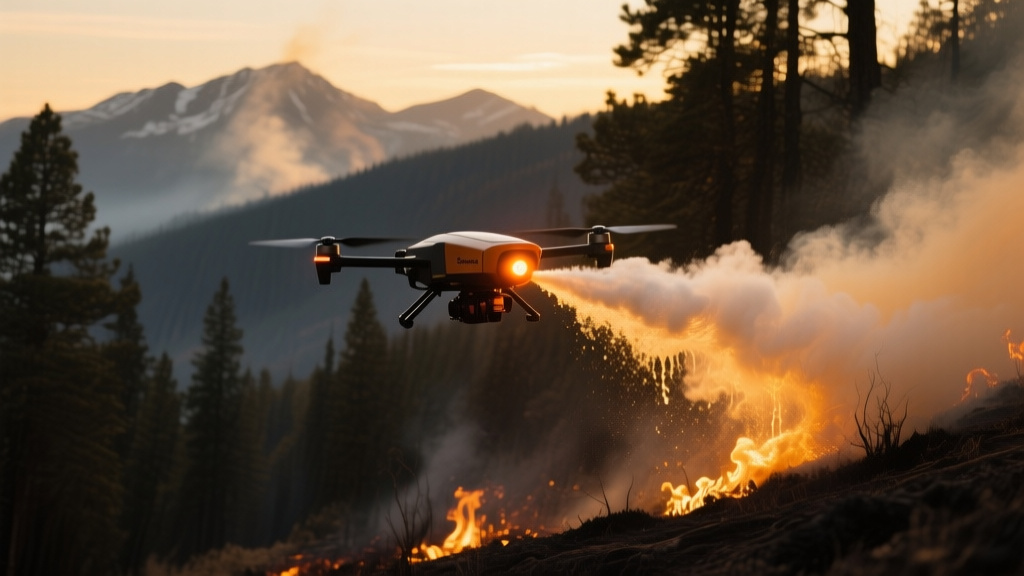
Seneca’s firefighting drones are already en route to Aspen, Colorado, but their real value isn’t the destination—it’s what they carry and when they fly. These drones haul firefighting foam, operate under cover of darkness, and do it all without a pilot on-site, which could let them reach blazes before ground crews even lace up their boots.
The foam payload is a practical choice; unlike water, it clings to vegetation and suppresses flames with less runoff. Night flights remove the daylight constraints that ground and air units face, while remote control eliminates the need for a firefighter to be physically present at the launch site. According to available information, Seneca has not disclosed the drones’ range or payload capacity, but the operational window alone represents a meaningful advantage over traditional methods.
Early signals suggest this approach could reduce exposure for human crews, but the hardware and safety limits remain untested at scale. According to the Ars Technica report, Aspen is serving as a real-world proving ground where the drones’ autonomous capabilities will face real terrain and weather conditions for the first time outside controlled demos.
Seneca's Aspen trial exposes the deployment gap📷 Published: Apr 18, 2026 at 16:19 UTC
Seneca's Aspen trial exposes the deployment gap
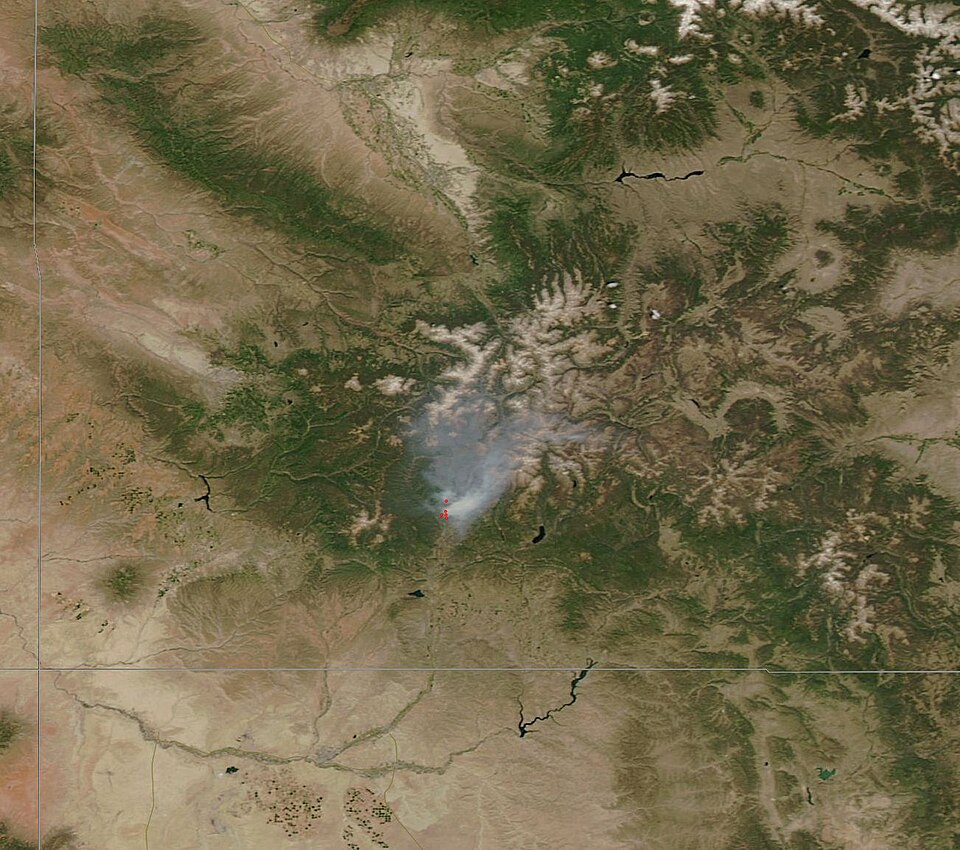
If confirmed, Seneca’s system would mark one of the first large-scale deployments of autonomous firefighting tech in the wild, but the practical barriers are significant. Autonomous drones still require reliable navigation systems to avoid collisions with topography and other aircraft, and night operations demand thermal imaging and obstacle-avoidance tech that must function without human oversight.
The hardware itself is just part of the equation; the foam must withstand high winds and heat, and the remote control system must handle latency and signal loss in rugged terrain. According to the company’s own materials, specific models and capabilities have not been detailed, leaving questions about payload capacity and endurance. For now, the Aspen trial will reveal whether these drones can truly operate independently in conditions that ground crews consider routine.
Tech demos love to show drones saving the day, but Aspen is where the rubber meets the smoky air. If these drones can’t handle the basics—foam, night, no pilot—then their so-called revolution is just another pilotless box of foam floating in the dark.