
Google's Free AI Personalization Play: More Data, Same Pitch

Google's Free AI Personalization Play: More Data, Same Pitch📷 Published: Apr 18, 2026 at 12:23 UTC
- ★Free-tier access to Personal Intelligence
- ★App integration across Gmail, Docs, Calendar
- ★Competitive response to ChatGPT's memory
Google flipped the switch on Tuesday, opening Personal Intelligence to every US user with a free Google account. Previously locked behind the $20/month Gemini Advanced paywall, the feature lets Gemini pull context from Gmail, Drive, Calendar, and Photos to answer questions like "find my flight confirmation" or "summarize my week."
The timing is hardly subtle. OpenAI's memory feature rolled out to all ChatGPT users in April, and Anthropic's Claude has offered project-based context for months. Google needed to close the perceived gap without undermining its premium tier entirely. The compromise: free users get the core functionality, but with stricter limits on how far back Gemini can reach into your data archive.
What's actually new here is the scale, not the technology. Personal Intelligence debuted at I/O 2024 as a flagship differentiator for paying subscribers. Repackaging it as a freemium hook suggests Google's priority has shifted from monetization to market share — specifically, keeping users inside its ecosystem rather than exporting their data to rival AI assistants.
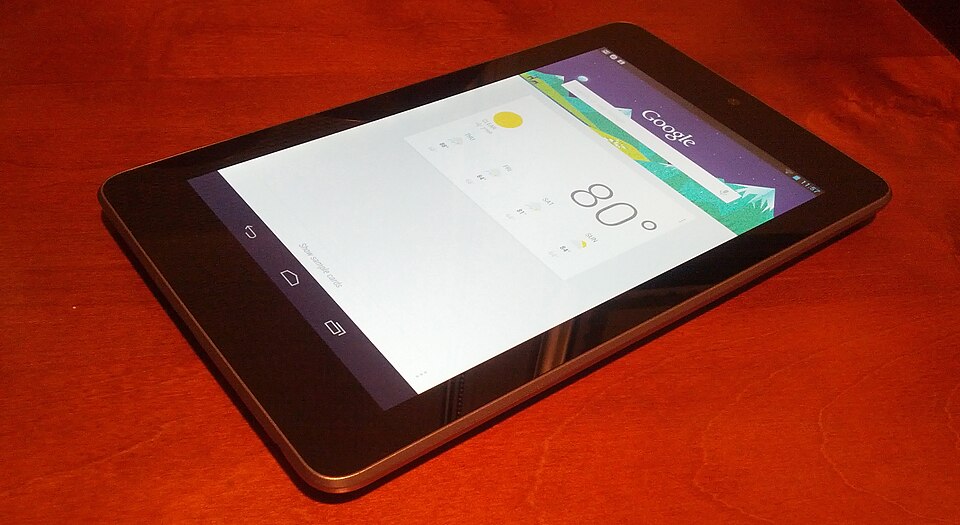
The gap between personalization and privacy trade-offs📷 Published: Apr 18, 2026 at 12:23 UTC
The gap between personalization and privacy trade-offs
The competitive calculus is straightforward. Every query that stays in Gemini is one that doesn't train OpenAI's models or enrich Microsoft's Copilot data pool. By making personalization table stakes, Google bets that switching costs will rise: once Gemini knows your schedule, your receipts, your photo albums, the friction of starting fresh elsewhere becomes prohibitive.
The unspoken trade-off, of course, is surveillance scale. Personal Intelligence requires broader data permissions than standard Gemini use, and Google's privacy policy already permits training on user data unless explicitly opted out. Free users may not read the fine print; regulators increasingly do. The EU's AI Act and pending US federal legislation both scrutinize automated decision-making based on comprehensive personal profiles.
For developers, the signal is mixed. The Gemini API doesn't yet expose Personal Intelligence capabilities, meaning third-party apps can't build on this context layer. Google is keeping the good toys in-house, which limits ecosystem innovation even as consumer features expand.
The real signal here is platform lock-in dressed as user benefit: convenient until it isn't, and nearly impossible to unwind once your digital life is woven through a single API.