
Tiny photon chip could untangle quantum computing’s laser mess
Tiny photon chip could untangle quantum computing’s laser mess📷 Published: Apr 18, 2026 at 14:21 UTC
- ★Photonic chip under 0.1mm² replaces millions of laser beams
- ★Quantum computers need millions of qubits to advance
- ★Researchers from MIT, Sandia, and partners developed the chip
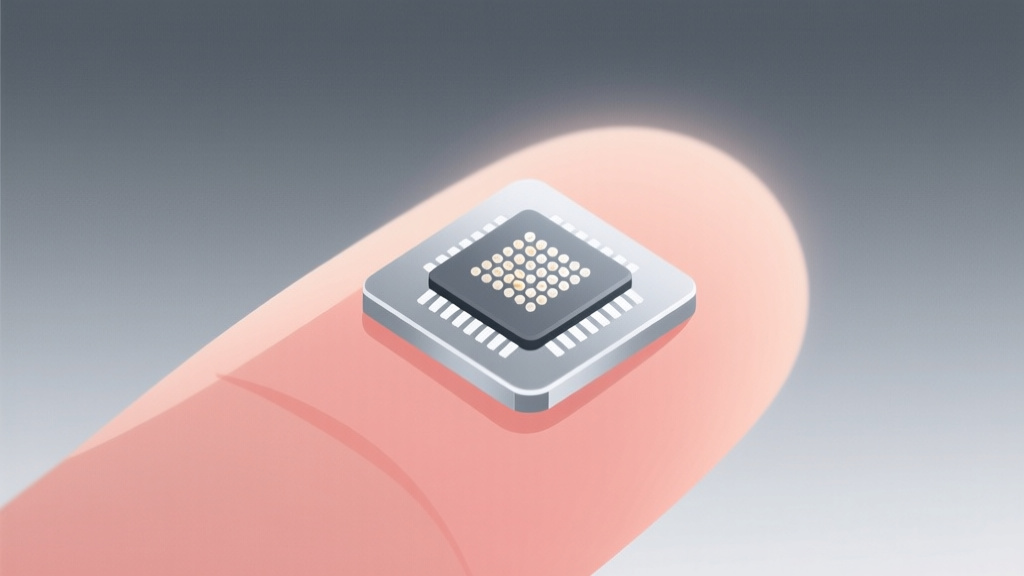
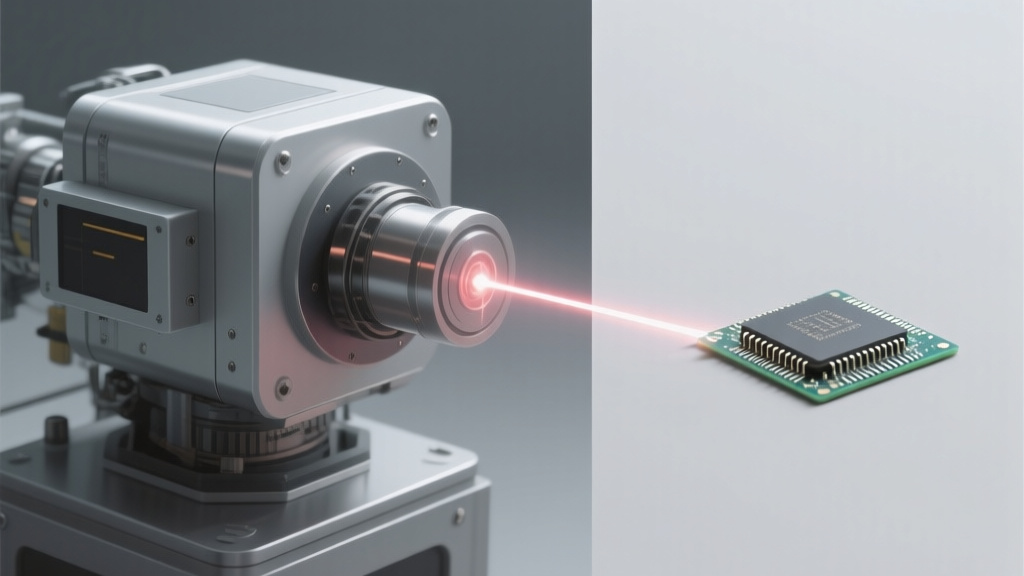
Researchers from MIT, the University of Colorado Boulder, Sandia National Laboratories, and MITRE Corporation have built a photonic chip that could unclog one of quantum computing’s thorniest bottlenecks. The chip, smaller than 0.1 square millimeters, is designed to replace the millions of laser beams currently needed to control individual qubits. These beams are the backbone of quantum error correction, a process essential for scaling up quantum systems beyond today’s noisy, error-prone prototypes. By shrinking this control infrastructure onto a single chip, the team has demonstrated a path to make large-scale quantum computing less about infrastructure hellscape and more about actual computation.
The chip’s trick lies in its ability to project high-resolution images—a demonstration that hints at its broader potential. The researchers projected the Mona Lisa onto a surface to show off its precision, but the real application is moving photons with surgical accuracy. Quantum computers, especially those using trapped ions or neutral atoms, rely on precise light control to manipulate qubits without electrical interference. Current setups require massive optical setups that are power-hungry, fragile, and nearly impossible to scale. This chip flips the script by putting the whole system in one place.
How a grain-of-sand chip might finally crack quantum computing’s biggest bottleneck📷 Published: Apr 18, 2026 at 14:21 UTC
How a grain-of-sand chip might finally crack quantum computing’s biggest bottleneck
The implications stretch beyond quantum labs. Early signals suggest photonic chips like this could unlock advances in augmented reality displays, biomedical imaging, and even lidar sensors. The core advantage is energy efficiency—lasers are power hogs, while integrated silicon photonics sip electricity. For quantum computing, the shift is existential: without a way to scale qubit control, practical quantum advantage remains stuck in the speculative. Players in the quantum space note that hardware bottlenecks are now the primary drag on progress, not algorithms. Sandia National Laboratories, a key partner, is known for its work on quantum interconnects, and this chip aligns with their push to make quantum systems manufacturable.
But the challenge is far from solved. No performance metrics appear in the initial report, and it’s unclear when such a chip could move from lab bench to commercial deployment. The team has not detailed power draw, thermal limits, or mass production feasibility. The community is responding with cautious optimism, but skepticism remains about real-world scaling. In other words, this is a critical step—not the entire staircase.
Can a grain-of-sand chip survive the quantum computing marathon, or will the next bottleneck pop up when the scale hits reality?