
RealSense's autonomous humanoids edge closer to reality
RealSense's autonomous humanoids edge closer to reality📷 Published: Apr 18, 2026 at 12:03 UTC
- ★Autonomous navigation in unstructured environments
- ★Perception and reasoning stack tested
- ★Industrial deployment timelines remain unclear
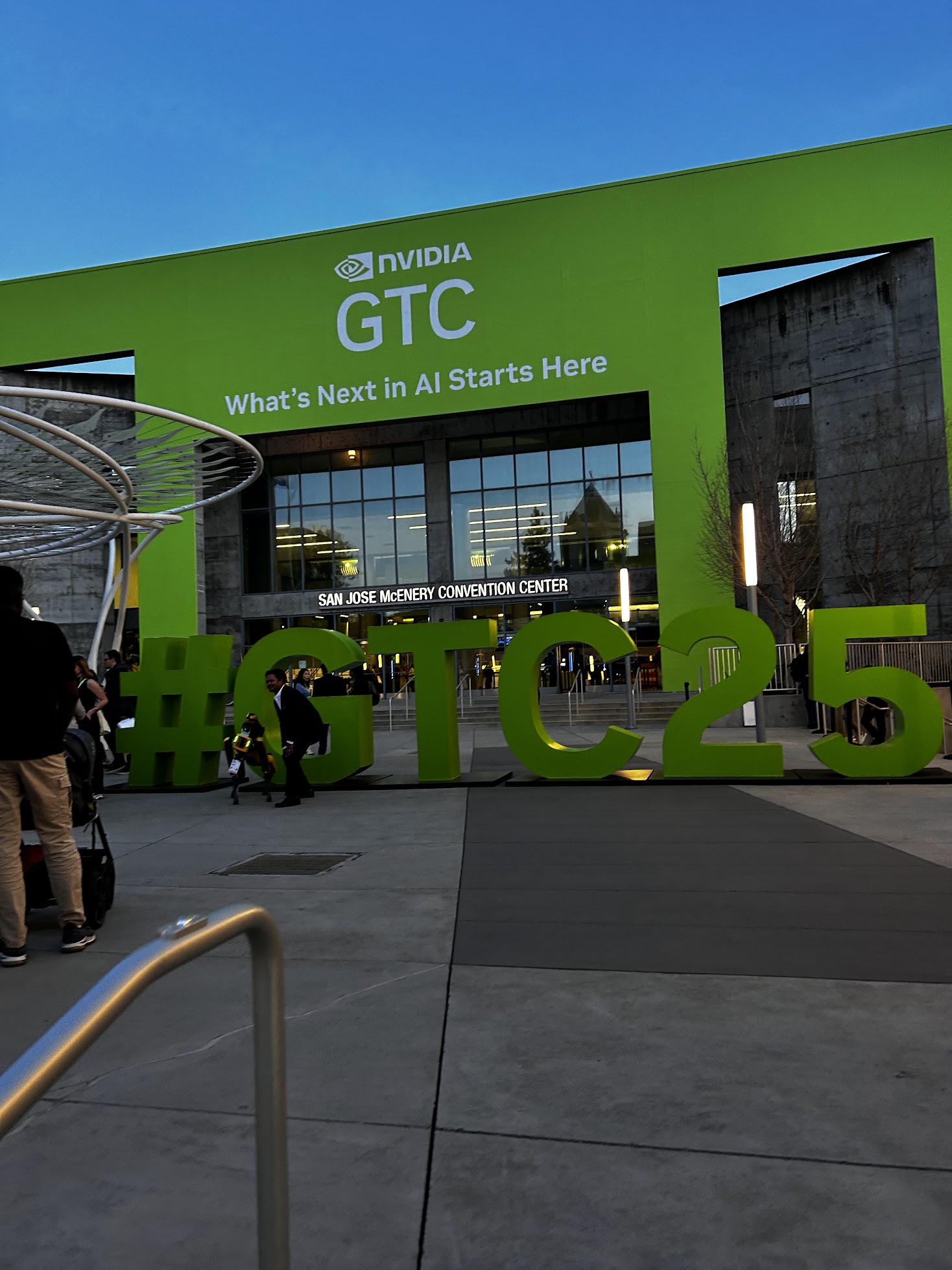
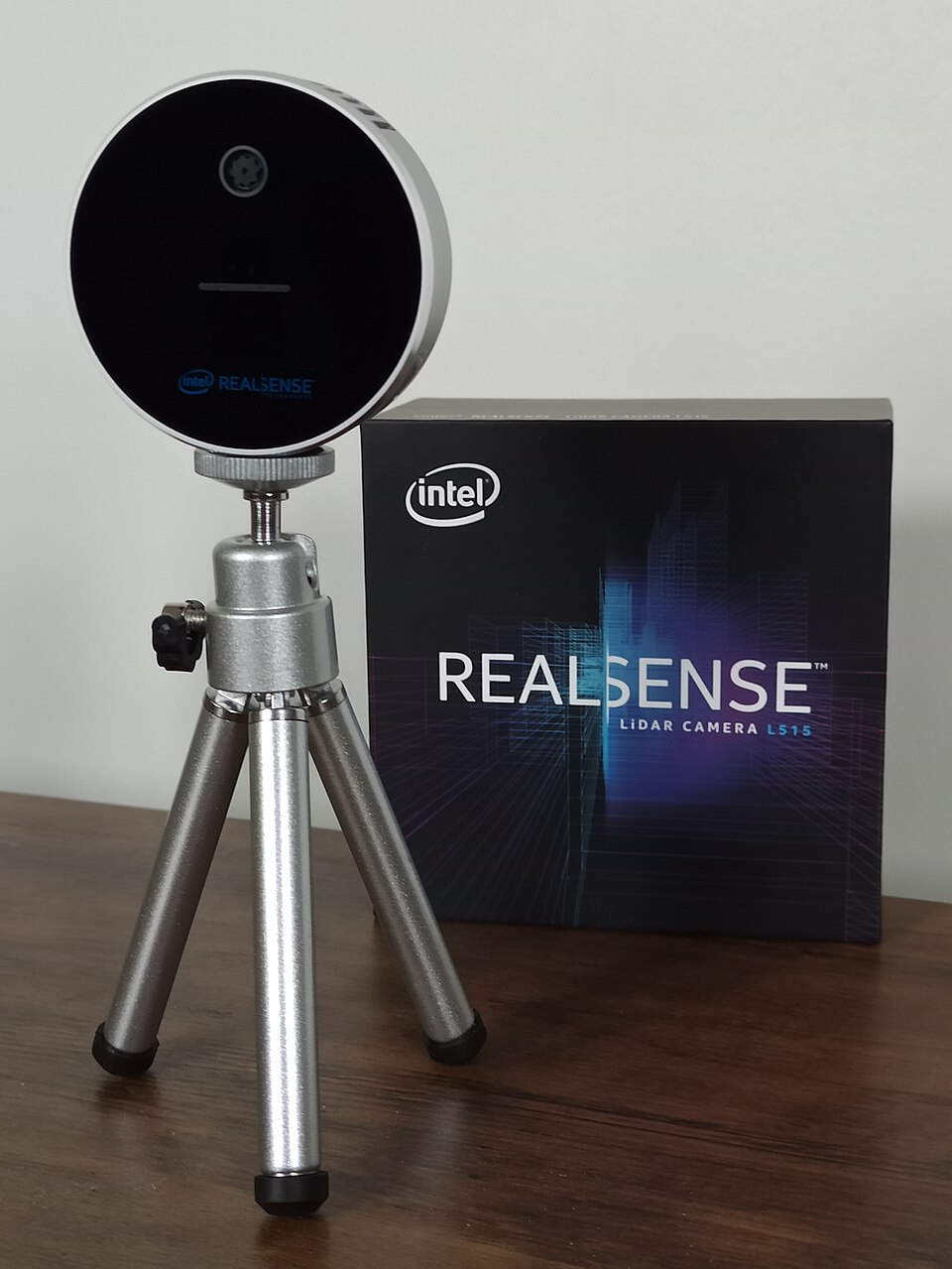
RealSense’s latest breakthrough in autonomous humanoid navigation isn’t just another tech demo. The company’s perception and reasoning software, unveiled at GTC 2026, claims to enable safe movement in real-world environments—far beyond the controlled conditions of lab tests. Early footage shows bipedal robots maneuvering around obstacles, adjusting gaits dynamically, and reacting to unexpected changes in terrain. According to RealSense’s engineers, the system integrates real-time LiDAR, depth sensing, and predictive modeling to anticipate and avoid collisions.
What matters isn’t the novelty of the movement, but its adaptability. Most commercial humanoid platforms today rely on pre-mapped environments or tethered safety systems. RealSense’s software, however, appears designed for dynamic spaces—warehouses, construction sites, or even crowded public areas—where static maps fail. Early signals suggest it's leveraging NVIDIA’s Isaac platform https://developer.nvidia.com/isaac, a common choice for robotics developers seeking scalable AI integration.
The demo works. The real world will demand more.📷 Published: Apr 18, 2026 at 12:03 UTC
The demo works. The real world will demand more.
Yet the gap between demo and deployment remains stubbornly wide. The software’s performance in uneven lighting, unmarked floors, or densely packed dynamic environments hasn’t been stress-tested publicly. For industrial use cases like logistics or manufacturing, certification standards for autonomous navigation are still being drafted. According to the Robotics Industries Association https://www.robotics.org, even well-funded startups struggle to secure safety certifications without years of real-world validation.
The hardware limitations are equally understated. RealSense’s system likely depends on high-precision sensors and powerful onboard compute—components that add weight, cost, and power draw. Scaling this to a commercially viable humanoid will require shedding pounds, not just lines of code. Players note that battery life for current humanoid prototypes rarely exceeds two hours, a non-starter for 24/7 operations.
For industries eyeing humanoid labor, the message is clear: the technology is real, but the roadmap is raw. Expect pilots in tightly controlled industrial zones before any push into less predictable spaces.