
Apple’s AirPods Max 2: AI Translation in a $549 Shell
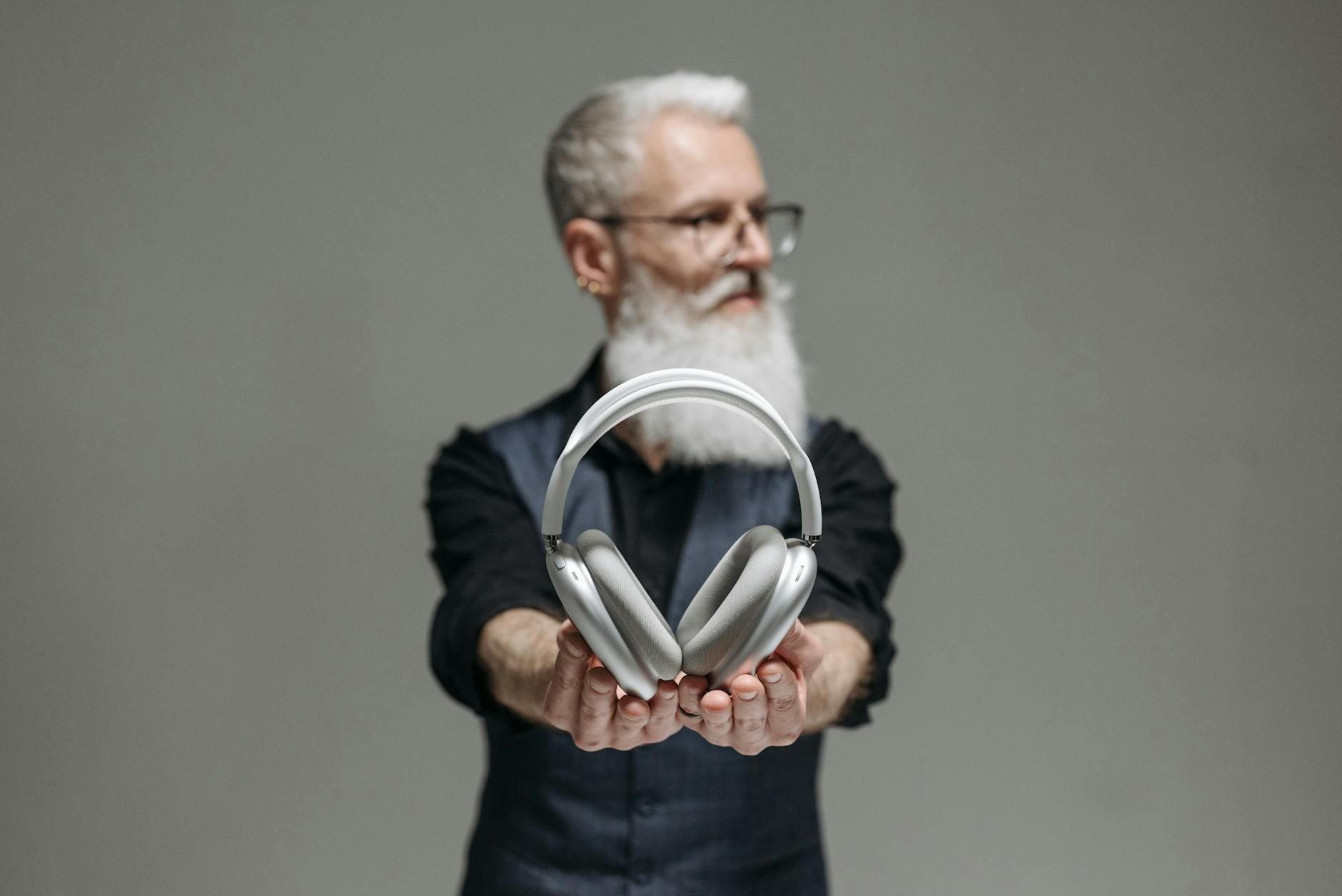
Apple’s AirPods Max 2: AI Translation in a $549 Shell📷 Published: Apr 18, 2026 at 18:16 UTC
- ★Real-time H2 chip translation
- ★Improved ANC and sound quality
- ★Premium $549 entry price
Apple is betting that the right way to experience AI is through a pair of high-end headphones. The AirPods Max 2 arrives not as a radical redesign, but as a strategic deployment of the H2 chip to solve a specific friction point: the language barrier.
At a starting price of $549, the value proposition shifts from simple audio fidelity to edge computing. The standout feature is AI-powered live translation, which promises to turn a conversation into a real-time stream of your preferred language. It is a bold move to move translation from the screen to the ear, though the actual utility depends entirely on latency and accuracy.
Beyond the AI buzz, Apple has refined the core experience with better noise cancellation (ANC) and upgraded sound quality. These are the expected iterative gains we see in every hardware cycle, ensuring the premium price tag is anchored in traditional audio performance.
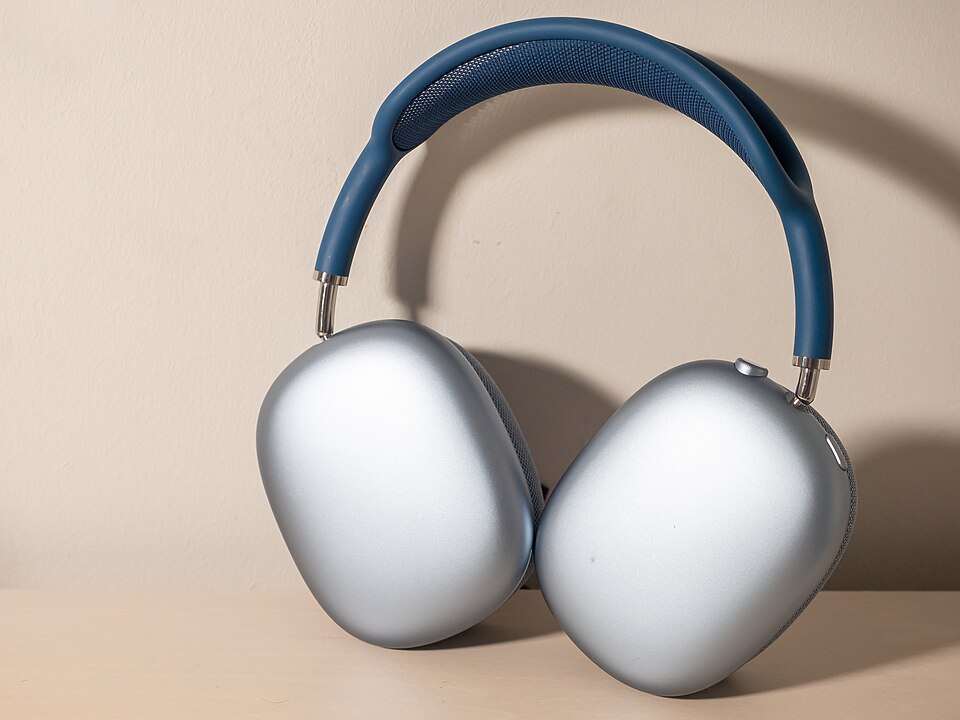
The gap between hardware refresh and AI utility📷 Published: Apr 18, 2026 at 18:16 UTC
The gap between hardware refresh and AI utility
The real question is whether this is a standalone product or a Trojan horse for a broader AI ecosystem. By embedding translation directly into the silicon, Apple reduces reliance on cloud processing, potentially offering a snappier experience than software-only competitors.
Early signals suggest the H2 chip handles a variety of new features, though the company is keeping the full list vague. This packaging strategy—bundling a few high-visibility AI tricks with standard ANC improvements—is a classic move to justify a price point that remains stubbornly high.
From a competitive standpoint, this puts pressure on Sony and Bose to move beyond noise cancellation and into active intelligence. If the translation works seamlessly, the headphones stop being a peripheral and start becoming a tool for global mobility. The industry is shifting from 'how it sounds' to 'what it understands'.
In other words, we've reached the stage of the hype cycle where we pay a $500 premium for a translator that lives in our ears. It's a masterful piece of packaging for what is essentially a chip swap.