
FBI recovers deleted Signal chats from iPhone alerts
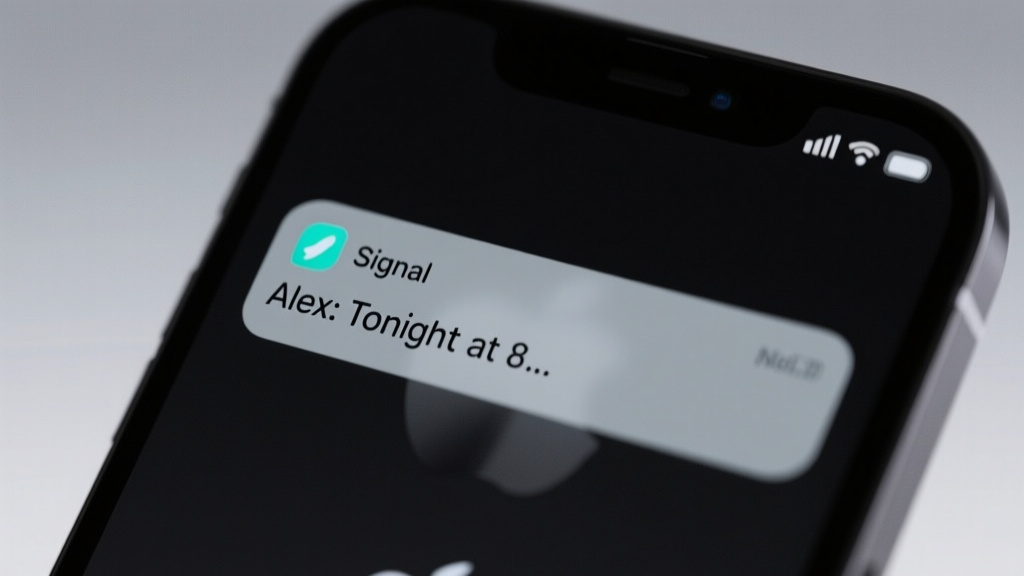
FBI recovers deleted Signal chats from iPhone alerts📷 Published: Apr 18, 2026 at 12:14 UTC
- ★FBI extracts deleted Signal messages via iPhone notifications
- ★Antifa designation used in first federal charges
- ★Forensic recovery raises privacy alarms
In a landmark digital forensics case, federal investigators extracted deleted Signal messages from an iPhone’s notification database—leveraging a quirk in Apple’s alert system. The recovery marked the first time prosecutors used such evidence to charge individuals under the Antifa designation, implemented by the White House in 2020. While Signal’s end-to-end encryption protects live messages, its alerts still leave forensic traces, turning Apple’s notification cache into an unintended witness. Early signals suggest this technique may become standard in investigations where chat histories are scrubbed but screenshots or notifications linger.
The technique hinges on how iPhones store Signal alerts before they’re dismissed or archived. Developers and privacy researchers have long noted that push notifications can act as low-grade backups, preserving fragments of content outside encrypted channels. According to Apple’s technical documentation, notification data persists in SQLite databases for up to 30 days, depending on user settings and iOS updates.

The quiet mechanism letting authorities reconstruct encrypted chats📷 Published: Apr 18, 2026 at 12:14 UTC
The quiet mechanism letting authorities reconstruct encrypted chats
For Signal users, the finding underscores a painful reality: encryption doesn’t erase all traces. While the app deletes messages from servers and devices, local alerts can still betray activity patterns—timing, sender, and even text snippets. The FBI’s approach, detailed in court filings by 404 Media, implies that forensic tools now include notification parsing as part of routine extractions. It appears that law enforcement is adopting these methods faster than security guides warn users.
This development arrives as tech platforms face growing pressure to balance privacy with lawful access. Signal’s own response—decrying the method as an “end run around encryption”—highlights the tension between user expectations and state surveillance tactics. For the broader market, the case signals that encrypted apps must evolve beyond message encryption to consider notification design, if they hope to blunt this kind of forensic bypass.
Will Signal add a hard switch to block notifications from entering persistent storage? Or will the next step be regulators dictating how tech handles forensic byproducts of design?