
China’s one-person AI army takes aim at Silicon Valley📷 Published: Apr 18, 2026 at 10:13 UTC
- ★One-person AI startups surge under state-backed incubation
- ★Coworking spaces repurposed as AI labs
- ★National AI push fuels lean, founder-driven innovation
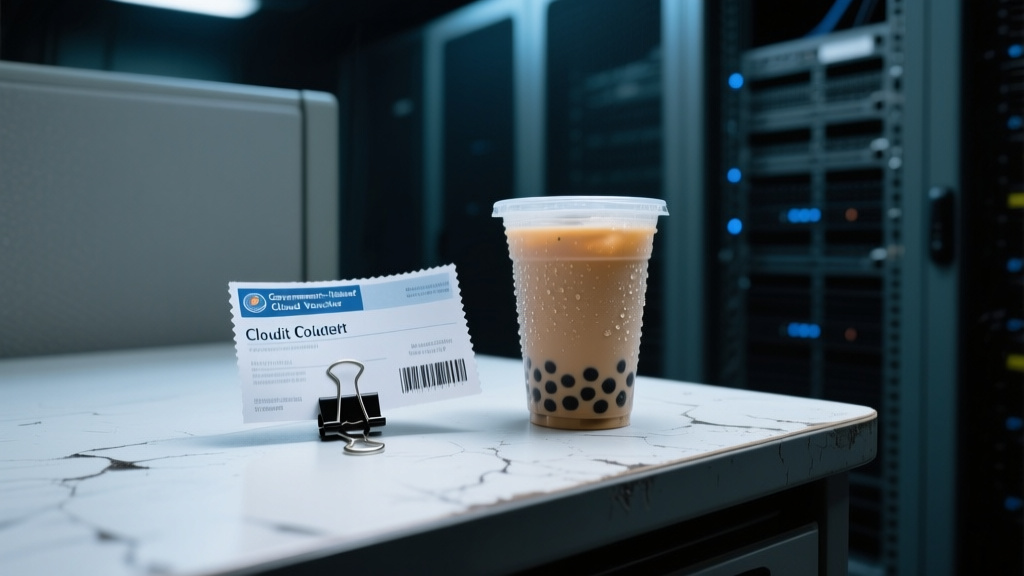
China’s "national AI push" is quietly rebranding former data centers and empty office floors into AI incubators, hosting what regulators claim to be thousands of one-person startups. The Ministry of Science and Technology confirmed the program in 2023, framing it as a bid to democratize AI development by removing barriers for solo founders. Under the plan, provincial governments are leasing vacant buildings in tech hubs like Shenzhen and Hangzhou, installing GPU clusters and subsidizing cloud credits for entrepreneurs working alone from single desks. The infrastructure drive reads like a state-level macro experiment—minus the funding transparency that usually accompanies such initiatives.
Early signals suggest the model thrives on hustle, not hardware. Founders cluster in repurposed data-center corridors, trading venture capital for government-backed desk space and discounted access to compute. According to Rest of World’s reporting, these micro-labs often consist of nothing more than a founder, a laptop, and a sponsored NVIDIA A100 rented by the hour. What’s missing is hard data on how many ventures survive beyond demo week, or whether any product actually scales beyond a single zip file of model weights. If confirmed, the pattern mirrors China’s famed copycat culture—now applied to AI—but on a national scale with unclear exit ramps for founders.

Incubator paradox: hyper-local hype masks missing scale metrics📷 Published: Apr 18, 2026 at 10:13 UTC
Incubator paradox: hyper-local hype masks missing scale metrics
The competitive edge may lie less in the tech itself than in the policy arbitrage. Local governments, hungry for GDP bragging rights, are reportedly loosening zoning laws to fast-track "AI office parks" while offering tax holidays for founders who register within their jurisdiction. Industry players note that the real signal isn’t the number of desks, but the speed at which these solo operators can spin up prototypes using state-subsidized compute. Still, questions linger about the sustainability of a system built on founder-driven hustle rather than venture discipline.
Benchmarking this model against Silicon Valley’s heavyweight VC-backed startups reveals a stark contrast: where US firms compete on runway and headcount, China’s one-person shops compete on speed to market and proximity to state largesse. The gap between demo and deployment remains unverified, but the trend itself is unmistakable—a national gamble on hyper-accelerated AI entrepreneurship with the invisible hand of local government pulling the levers.
What happens when the state-subsidized GPU credits run out and the one-person army has to stand on its own compute budget? The answer could redefine the AI startup lifecycle—or expose it as a subsidized sideshow.