
Heart pumps fail to cut damage in high-risk attacks—trial

Heart pumps fail to cut damage in high-risk attacks—trial📷 Published: Apr 6, 2026 at 14:22 UTC
- ★First RCT tests heart-resting strategy in non-shock patients
- ★No reduction in heart attack size despite pump use
- ★Findings challenge assumptions about mechanical unloading
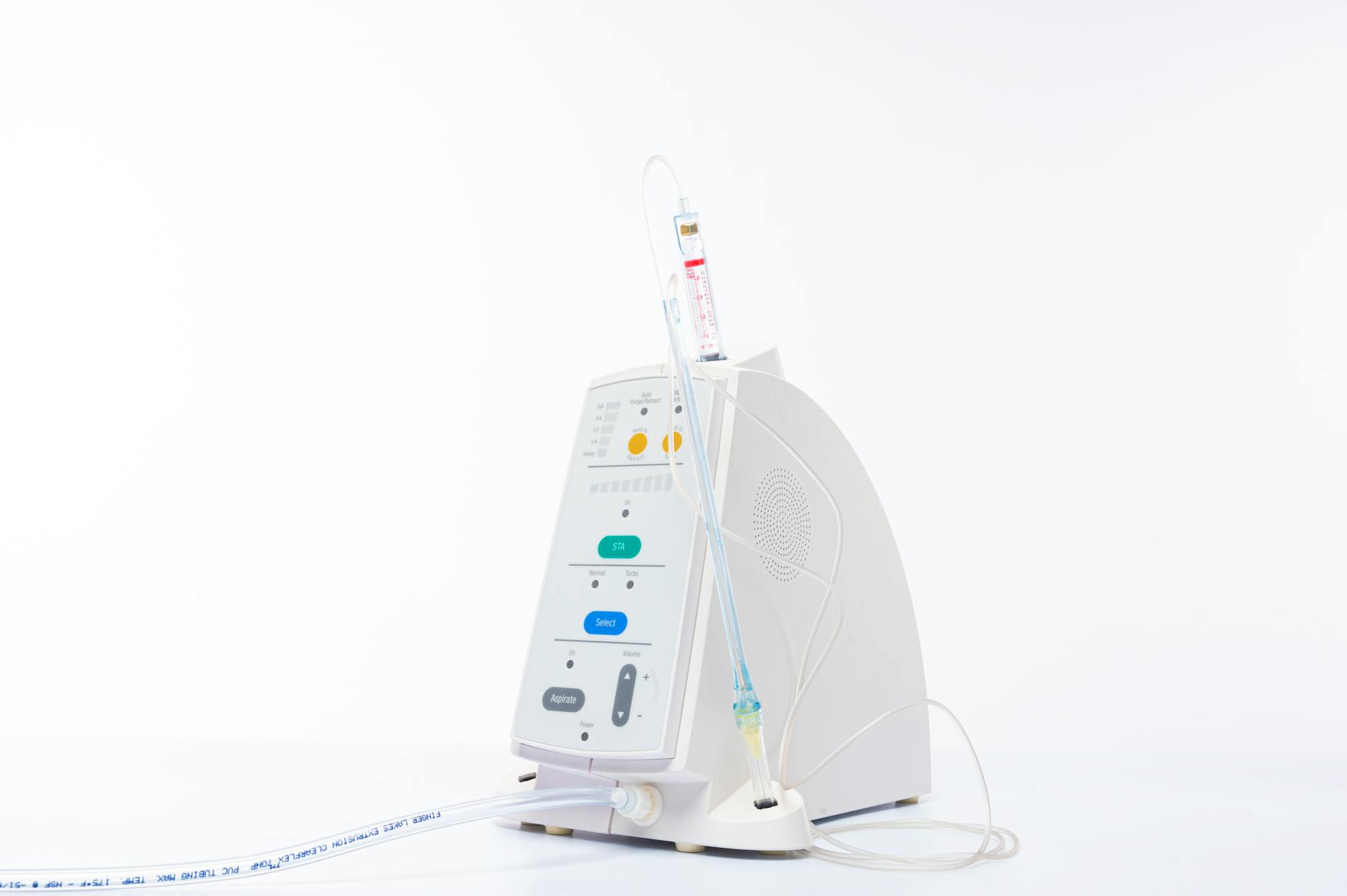
The Impella CP microaxial flow pump, a device designed to temporarily unload the heart’s workload during high-risk procedures, showed no benefit in reducing heart damage for patients with severe heart attacks but without cardiogenic shock. That’s the conclusion of the DOOR-to-UNLOAD trial, the first randomized controlled study to test whether mechanically resting the heart before and during stenting could shrink infarct size—a key predictor of long-term outcomes.
The trial, published in the New England Journal of Medicine, randomized 50 patients to receive either the pump plus standard stenting or stenting alone. Despite the theoretical promise of reducing oxygen demand by unloading the left ventricle, researchers found no statistically significant difference in infarct size between groups at 30 days. Lead investigator Dr. William O’Neill noted the results were ‘unexpected’ given preclinical data suggesting mechanical support might mitigate damage.
This isn’t a failure of the device itself—Impella remains FDA-approved for cardiogenic shock—but a critical test of its expanded use. The study’s narrow focus on non-shock patients with large anterior STEMI (a particularly high-risk subgroup) underscores a broader tension: when does mechanical support help, and when does it merely add risk without reward?
A large study—with real limits📷 Published: Apr 6, 2026 at 14:22 UTC
A large study—with real limits
The trial’s limitations are as instructive as its findings. With just 50 participants, the study was underpowered to detect smaller but clinically meaningful effects, and its short-term endpoint (30-day infarct size) leaves open questions about long-term recovery. Still, the lack of even a trend toward benefit suggests the hypothesis—resting the heart reduces damage—may not hold for this population. As Dr. Deepak Bhatt wrote in an accompanying editorial, ‘The dogma that unloading is universally beneficial has been challenged.’
For patients today, nothing changes. The Impella CP remains contraindicated for routine use in non-shock STEMI, and guidelines already emphasize stenting as the cornerstone of care. Yet the trial’s negative result carries its own weight: it forces a reckoning with the evidence gap between preclinical promise and clinical reality. Devices like Impella have transformed care for cardiogenic shock, but their role in preventing shock—or reducing damage in its absence—remains unproven.
The next step? Larger trials with longer follow-up, and a harder look at which patients, if any, might derive subtle benefits from unloading. For now, the DOOR-to-UNLOAD trial doesn’t close the door on mechanical support—but it does demand we ask which doors were worth opening in the first place.
For future research, the focus must shift to identifying specific subgroups where unloading could matter—perhaps those with borderline hemodynamics or delayed presentation. Without clearer signals, expanding device use risks harm without proof of help.