
Taiwan’s chip giants bet on helium and nukes to dodge supply shocks
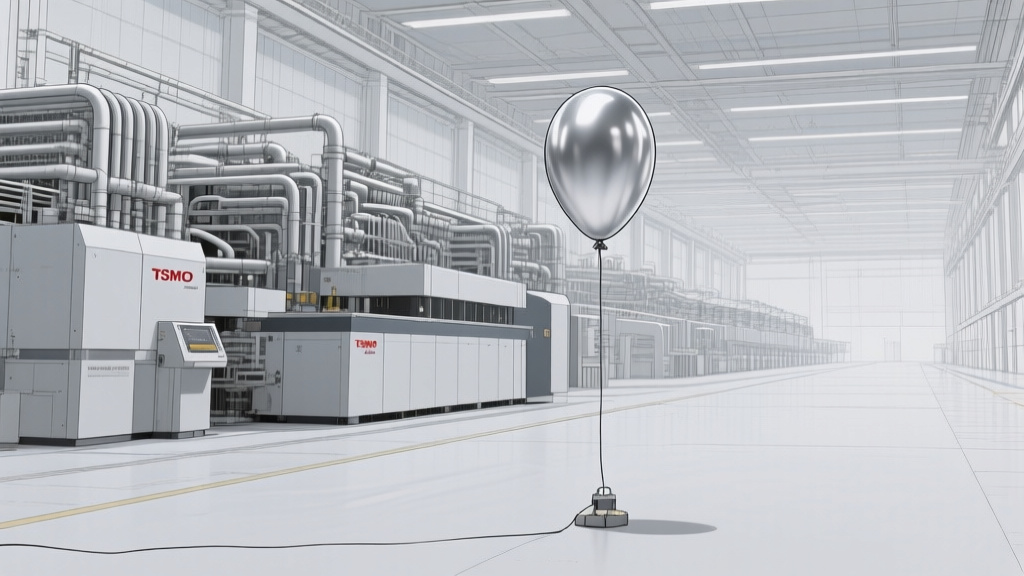
Taiwan’s chip giants bet on helium and nukes to dodge supply shocks📷 Published: Apr 15, 2026 at 14:22 UTC
- ★TSIA urges LNG and helium stockpiles
- ★Nuclear restart proposed for energy security
- ★US-Iran ceasefire adds geopolitical pressure
Taiwan’s semiconductor industry just handed its government a survival checklist: stockpile helium, secure LNG, and fire up dormant nuclear reactors. The Taiwan Semiconductor Industry Association (TSIA) warned this week that even a temporary disruption in these supplies could cripple chip production, citing the fragile US-Iran ceasefire as a flashing red light. Helium, a critical coolant for lithography machines, has no substitute, and Taiwan imports nearly all of it—mostly from Qatar and the US. LNG, meanwhile, powers the island’s grid, and any shortage would force factories to choose between fabs and hospitals.
The nuclear ask is the most politically charged. Taiwan mothballed its last reactors in 2021 after public backlash over safety, but TSIA’s plea frames them as a necessary evil. The association isn’t asking for new plants—just a restart of existing ones to reduce reliance on imported fossil fuels. It’s a calculated risk: nuclear energy is stable but slow to scale, and Taiwan’s grid is already stretched thin during peak demand.
For chipmakers like TSMC, this isn’t hypothetical. A 2021 drought forced water rationing, and a 2022 power outage halted production for hours. The industry’s response? A shift from just-in-time supply to just-in-case stockpiles. The question isn’t whether Taiwan can afford these measures—it’s whether it can afford not to.
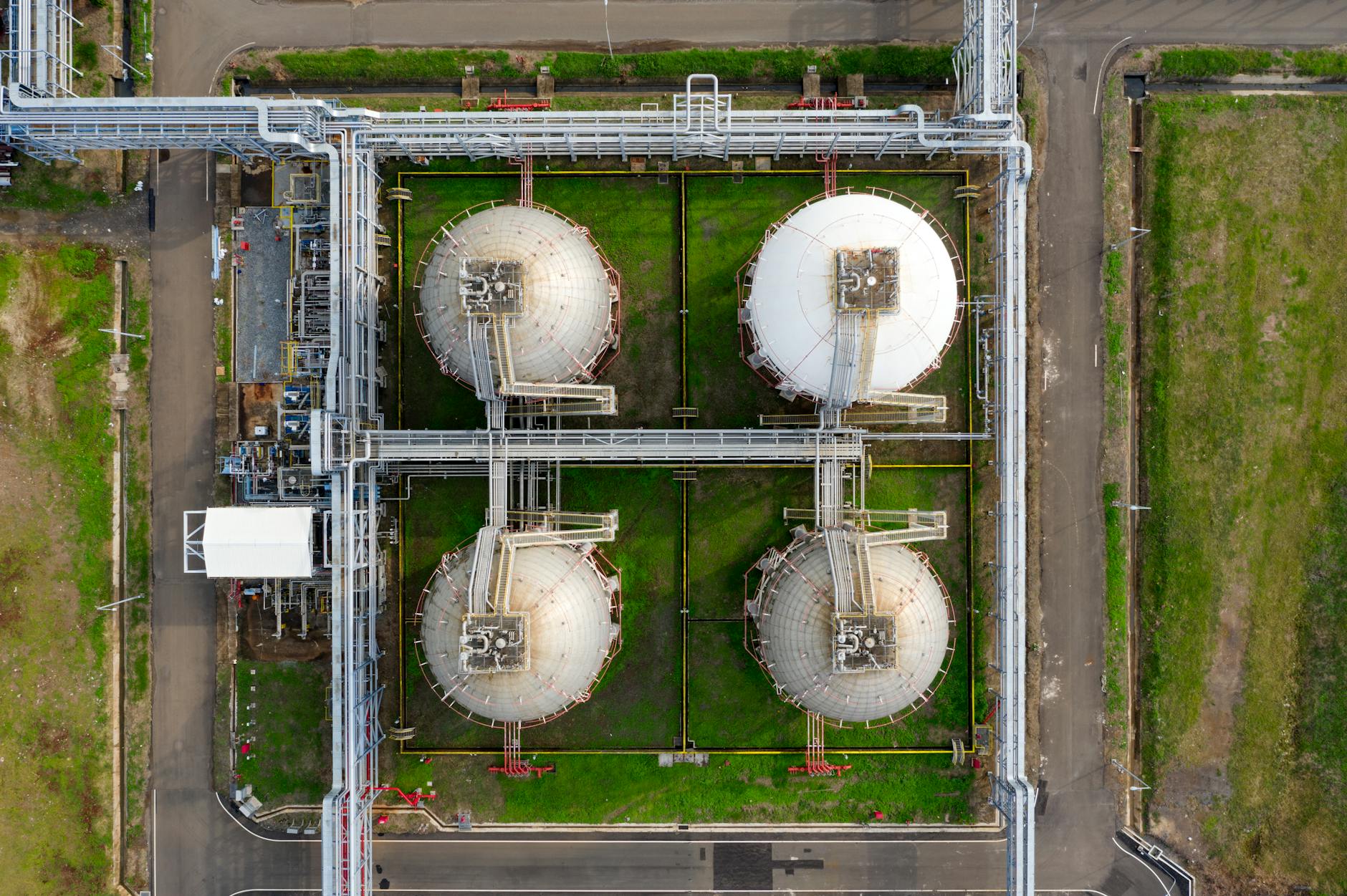
The semiconductor supply chain’s weakest links are now Taiwan’s biggest energy gambles📷 Published: Apr 15, 2026 at 14:22 UTC
The semiconductor supply chain’s weakest links are now Taiwan’s biggest energy gambles
The real-world impact is already visible. TSMC reportedly increased its helium inventory by 30% last quarter, and rival UMC is diversifying suppliers beyond the Middle East. But helium is a niche market—global production is dominated by just three countries, and prices have spiked 50% in two years. LNG is more flexible, but Taiwan’s storage capacity is limited, and spot market purchases are expensive. The nuclear option, if approved, would take at least 18 months to implement, leaving the industry exposed in the interim.
The ecosystem effects ripple beyond Taiwan. Apple, Nvidia, and AMD all rely on TSMC’s advanced nodes, and any production hiccup would delay product launches. The US CHIPS Act includes $52 billion to reshore semiconductor manufacturing, but even American fabs depend on Taiwanese supply chains. If Taiwan’s energy gambit fails, the global tech industry could face a repeat of the 2020–2021 chip shortage—this time with no quick fixes.
There’s also the user reality: higher costs. Helium and LNG stockpiles don’t come cheap, and nuclear restarts require regulatory approvals and public buy-in. TSMC’s customers may not see the impact immediately, but analysts predict a 2–5% rise in chip prices if energy security measures are fully implemented. That’s the price of progress—one that consumers will pay long before they notice the difference in their devices.
For tech companies, this means two things: higher costs and longer lead times. Helium stockpiles and nuclear restarts won’t happen overnight, and the interim period will be volatile. Expect chipmakers to pass on costs to OEMs, who will then pass them to consumers. The alternative—production delays—is far worse.