
NVIDIA’s Alpamayo AI: Self-Driving’s Hardest Problem or Just Another Demo?
NVIDIA’s Alpamayo AI: Self-Driving’s Hardest Problem or Just Another Demo?📷 Published: Apr 15, 2026 at 14:04 UTC
- ★Alpamayo targets perception bottlenecks in autonomous driving
- ★GitHub repo shows code but no real-world validation yet
- ★GTC 2026 panel may reveal deployment timelines
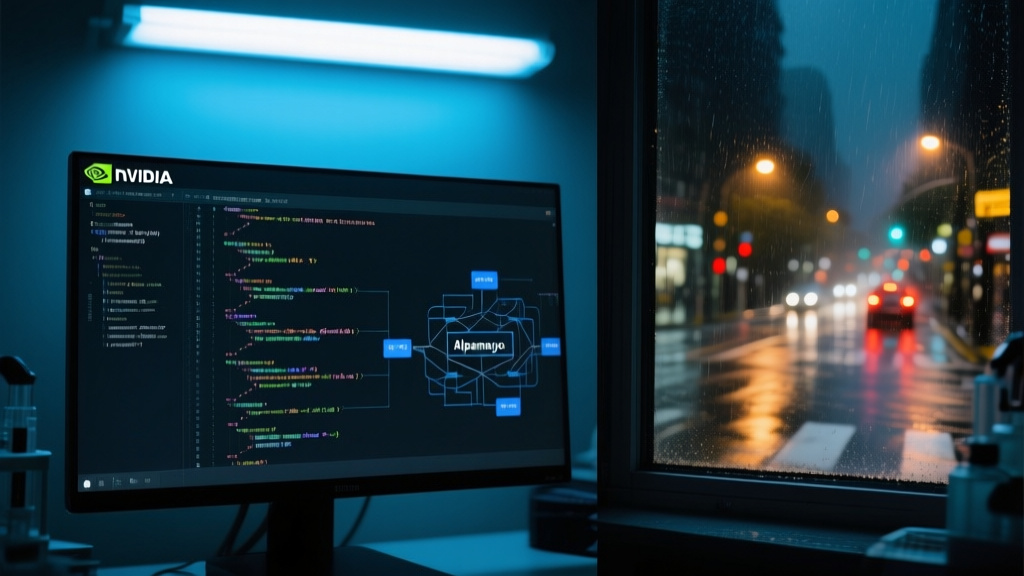
NVIDIA’s new Alpamayo AI claims to have cracked "the hardest part of self-driving," but the GitHub repository tells a more nuanced story. The codebase focuses on perception—specifically, the messy business of fusing camera, lidar, and radar data into a coherent world model. This isn’t NVIDIA’s first swing at the problem; the company’s DRIVE platform has been iterating on similar tech for years. What’s new here is the apparent shift toward end-to-end learning, where the AI handles everything from raw sensor input to driving decisions in one neural net.
The timing is no accident. Competitors like Waymo and Tesla have spent years collecting real-world driving data, while NVIDIA’s approach leans heavily on synthetic benchmarks. The research paper touts impressive numbers, but as any autonomous systems engineer will tell you, synthetic performance rarely translates one-to-one to rain-slicked roads or unpredictable pedestrians. The real test isn’t whether Alpamayo can navigate a virtual San Francisco—it’s whether it can handle a construction zone in Phoenix at dusk.
NVIDIA’s promotional push includes a GTC 2026 panel where the team will likely address these gaps. Until then, the AI remains a lab project, not a product. The company’s partnership with Lambda Labs’ GPU Cloud suggests they’re scaling up training, but scale alone won’t fix the fundamental challenge: perception in the real world is still an unsolved problem, no matter how many GPUs you throw at it.
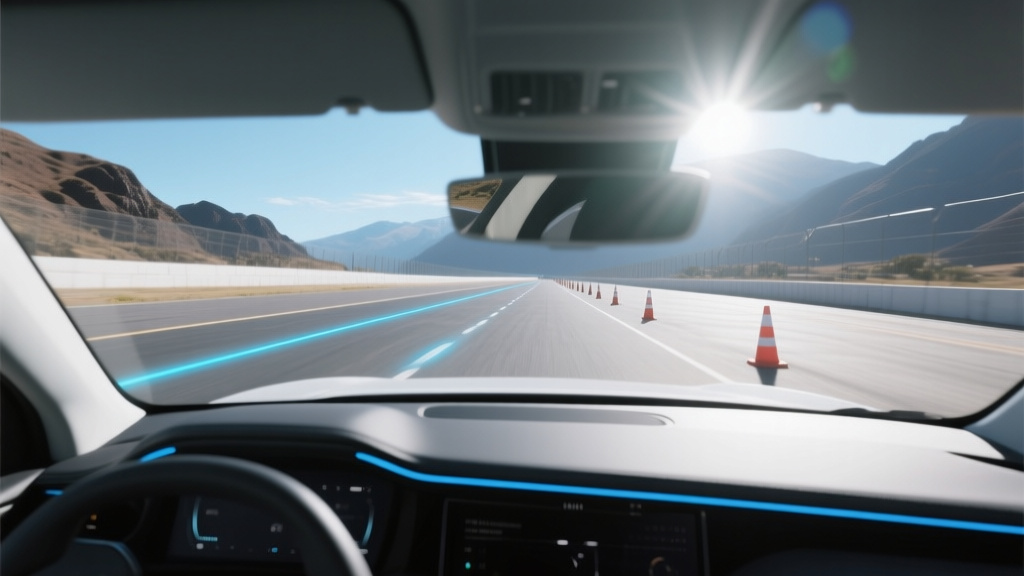
The gap between solving a benchmark and surviving a rainy intersection📷 Published: Apr 15, 2026 at 14:04 UTC
The gap between solving a benchmark and surviving a rainy intersection
The industry implications are clear. If Alpamayo delivers on even half its promises, it could pressure companies like Mobileye and even Tesla to accelerate their own end-to-end systems. But there’s a catch: NVIDIA’s solution is still a black box. The GitHub repo offers code, but no real-world validation data, and the source videos show only controlled demos. This is par for the course in AI research, where breakthroughs are announced long before they’re deployable.
Developer reaction has been cautiously optimistic. Some engineers on forums like Hacker News and Reddit’s r/MachineLearning have praised the technical approach, particularly the model’s ability to handle multi-modal sensor fusion. Others, however, have pointed out that the lack of open benchmarking makes it hard to assess Alpamayo’s true advantages. Without standardized tests—like those used in the nuScenes challenge—it’s impossible to know whether NVIDIA’s AI is genuinely better or just better at gaming the metrics.
The bigger question is what this means for NVIDIA’s broader autonomous driving strategy. The company has spent years positioning itself as the infrastructure provider for self-driving cars, selling GPUs and software stacks to automakers. If Alpamayo works as advertised, NVIDIA could shift from being a supplier to a direct competitor—offering not just the tools, but the brains behind autonomous systems. That’s a risky bet, especially when companies like Waymo have a decade-long head start in real-world testing.
Of course, this wouldn’t be an NVIDIA announcement without a healthy dose of hype. The phrase "cracked the hardest part of self-driving" is doing a lot of heavy lifting for an AI that hasn’t left the lab yet. Then again, that’s the game: sell the future before it arrives, and hope the competition scrambles to catch up. The only thing harder than autonomous driving might be resisting the urge to overpromise it.