
Waymo’s police problem exposes AV’s real-world blind spots
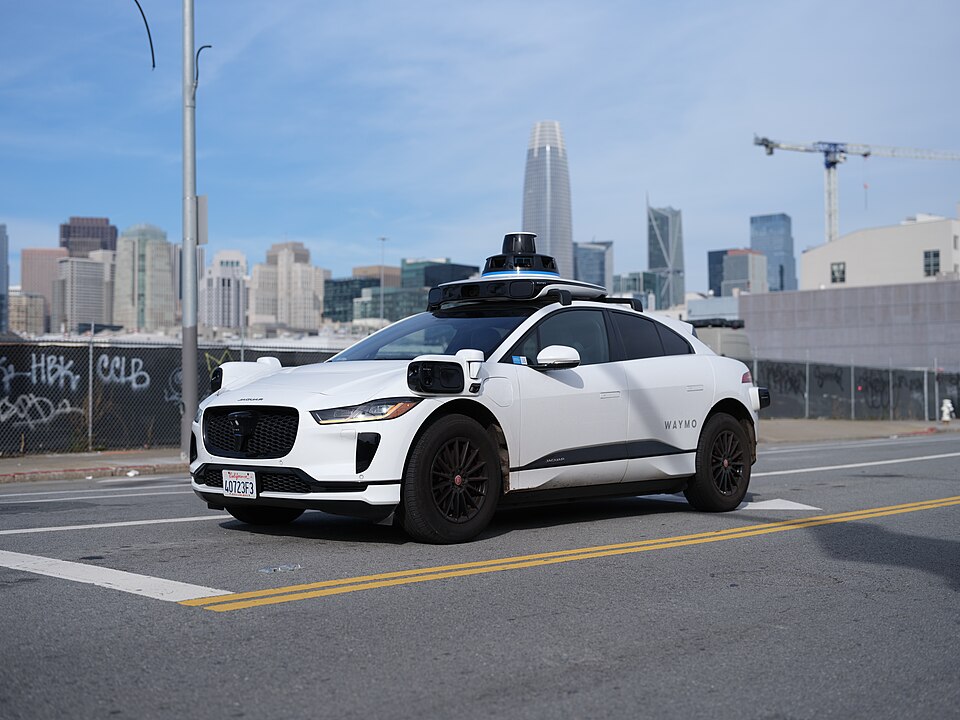
Waymo’s police problem exposes AV’s real-world blind spots📷 Published: Apr 15, 2026 at 12:22 UTC
- ★Police took control of Waymo cars at crime scenes
- ★Gaps in handling unpredictable emergencies revealed
- ★TechCrunch investigation uncovers at least two incidents
Waymo’s self-driving cars have spent years logging millions of miles on Phoenix streets, but when the real world throws a curveball—like an active crime scene—human cops are still the ones moving the vehicles out of the way. TechCrunch’s investigation revealed at least two incidents where first responders had to manually intervene, a detail that didn’t make it into the company’s glossy safety reports. This isn’t just a PR hiccup; it’s a signal that even the most advanced autonomous systems still struggle with the messiness of real-world unpredictability.
The incidents underscore a persistent reality gap in AV development: demos and controlled tests rarely account for the chaos of emergencies. Waymo’s vehicles are designed to handle routine traffic, not the kind of high-stress scenarios where split-second decisions matter. The company’s safety framework emphasizes redundancy and fail-safes, but when police are forced to take the wheel, it suggests those systems aren’t as foolproof as advertised. For an industry that sells autonomy as the future, this is a humbling reminder that the present still requires a human backup plan.
What’s more telling is the lack of transparency around these interventions. Waymo hasn’t publicly detailed how often its vehicles require emergency overrides, leaving regulators and the public to piece together the story from investigative reporting. If this is the state of play for Waymo—a leader in the AV space—what does it say about the readiness of the rest of the industry? The answer isn’t reassuring.
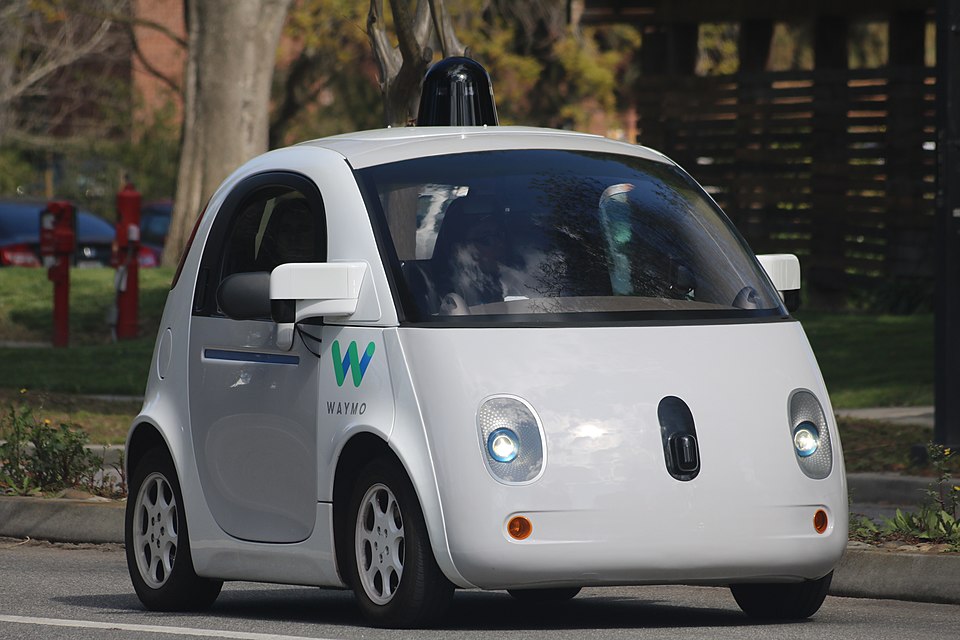
The gap between demo drives and deployment chaos just got wider📷 Published: Apr 15, 2026 at 12:22 UTC
The gap between demo drives and deployment chaos just got wider
The competitive implications are stark. Waymo’s rivals, from Cruise to Tesla, have faced their own autonomy scandals, but this latest revelation puts the spotlight on a different kind of failure: not just crashes, but the inability to adapt to emergencies. For companies racing to deploy robotaxis at scale, the incidents are a warning that regulatory scrutiny will only intensify. The National Highway Traffic Safety Administration (NHTSA) has already opened investigations into Waymo’s safety record, and these new findings could accelerate calls for stricter oversight.
Developers, meanwhile, are watching closely. The open-source AV community has long debated the limitations of current sensor and AI architectures, particularly in edge cases. On forums like r/SelfDrivingCars, engineers have pointed out that Waymo’s lidar-heavy approach may struggle with dynamic, high-stakes environments. The incidents validate those concerns, suggesting that even the best-funded AV programs still have blind spots when it comes to human unpredictability.
The real signal here isn’t that Waymo’s cars are flawed—it’s that the entire AV industry is still grappling with the same fundamental challenge: how to build systems that can handle the chaos of the real world. Until then, the police will keep stepping in, and the dream of full autonomy will remain just that—a dream.
In other words, Waymo’s latest ‘breakthrough’ is that its cars still need a cop to save them from themselves. The hype cycle’s next phase: celebrating human intervention as a feature, not a bug.