
Tinder’s AI gambit: swiping left on endless swiping
Tinder’s AI gambit: swiping left on endless swiping📷 Published: Apr 15, 2026 at 14:11 UTC
- ★Tinder’s user numbers plummet amid swiping fatigue
- ★AI update repackages old ideas as radical change
- ★Bumble and others scramble to match the hype
Tinder’s latest AI update isn’t just another feature drop—it’s a desperate bid to salvage an industry in freefall. The company confirmed a "massive drop in user numbers" as singles abandon the grind of endless swiping, a trend that’s left competitors like Bumble scrambling for answers. The so-called "radical" AI plan, in development for over a year, smacks of last-ditch repackaging rather than genuine reinvention.
What’s actually new here? Very little. Tinder’s AI promises to "change all the rules of online dating," but the details remain vague—likely because the core problem isn’t technology but user fatigue. The company’s own data shows engagement plummeting, yet its solution is to double down on the same mechanics that drove users away. The AI angle is a classic case of HYPE FILTER: slapping a buzzy label on incremental tweaks to algorithms that were already in the works.
The real shift isn’t in the tech but the market. Tinder’s dominance is under threat not because of superior competitors, but because the entire category is collapsing. Bumble’s recent layoffs and Match Group’s slumping stock paint a grim picture: dating apps are no longer the default for singles. The AI update is less about innovation and more about buying time while the industry figures out what comes next.
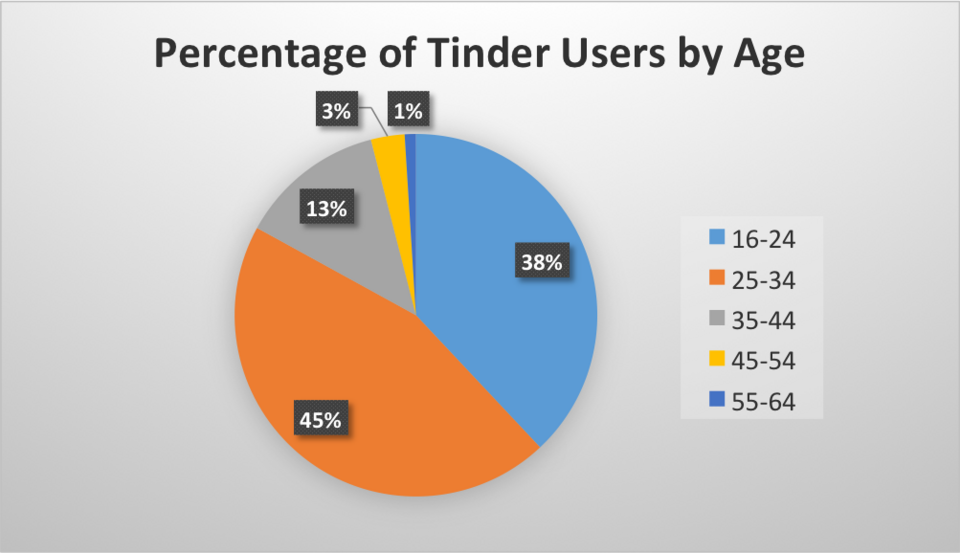
The dating app industry’s AI pivot is more survival strategy than innovation📷 Published: Apr 15, 2026 at 14:11 UTC
The dating app industry’s AI pivot is more survival strategy than innovation
For all the talk of "changing the rules," Tinder’s AI rollout feels like a benchmark without context. The company highlights personalized experiences as the future, but personalization has been a staple of dating apps for years. The difference now? A rebranded algorithm and a fresh coat of AI paint. The REALITY GAP is glaring: demos show seamless matching, but deployment will likely mean another layer of friction for users already drowning in choice.
The competitive implications are clear. Bumble and smaller players like Hinge are now forced to chase Tinder’s AI narrative, even if it’s built on shaky ground. The industry map is shifting from organic growth to survival mode, with AI serving as the latest lifeline. Yet, the developer community remains skeptical. GitHub activity around dating app algorithms shows steady refinement, not breakthroughs, and technical forums are rife with doubts about AI’s real impact on user retention.
The real bottleneck isn’t the tech—it’s the business model. Dating apps thrived on volume, but users are rejecting the endless scroll. Tinder’s AI update may buy it a few more quarters, but without a fundamental rethink of how people connect online, it’s just another chapter in the industry’s slow decline.
The real signal here is for developers and investors. Dating apps are no longer a growth market, and AI won’t change that. The focus should shift from flashy demos to solving the core problem: users don’t want more matches—they want better ones. Companies that ignore this will find themselves swiped left for good.