
ABB Omniverse Integration: The Factory Floor’s New Reality Check
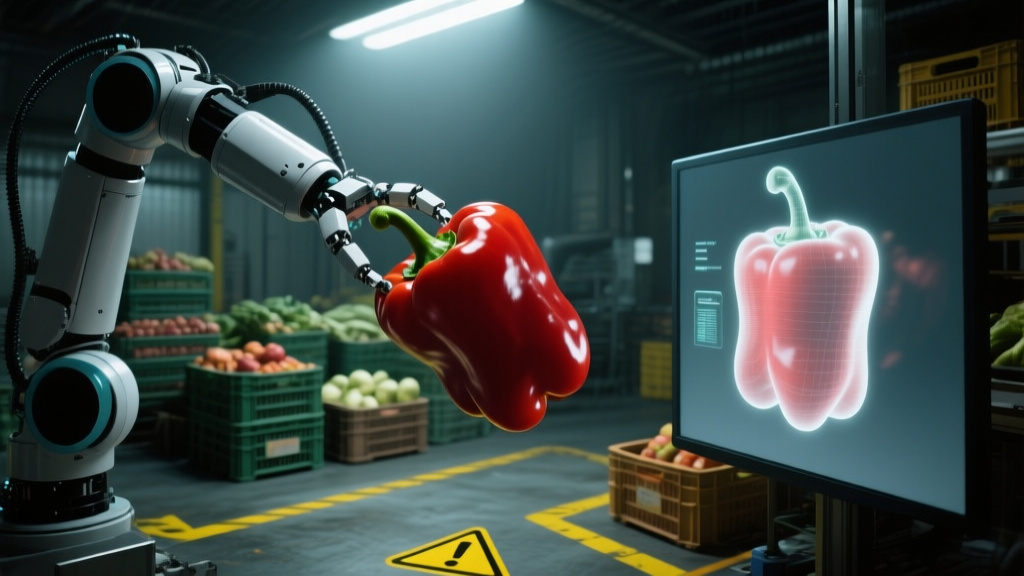
A robotic arm in a food processing plant mid-task, gripping an oddly shaped, glossy red bell pepper—its digital twin simulation visible as a faint,📷 Photo by Tech&Space
- ★Omniverse enters ABB RobotStudio for industrial AI
- ★Engineering time cut, deployment costs drop 40%
- ★Hardware limits cloud the demo’s real-world promise
ABB Robotics and NVIDIA have announced a partnership that embeds NVIDIA Omniverse libraries directly into ABB’s RobotStudio suite, promising physically accurate simulations on the factory floor. The integration aims to slash engineering time and reduce deployment costs by up to 40%, according to early projections NVIDIA Blog. For industrial automation, this could mean faster prototyping and fewer physical trials—a shift from costly real-world iterations to digital twins.
Yet, the demo’s polished choreography glosses over the gritty details. Omniverse’s real-time ray tracing and physics engines are impressive, but industrial environments aren’t sterile R&D labs. Dust, vibration, and temperature fluctuations introduce variables that no simulation can fully account for. The question isn’t whether the tech works in a controlled video, but whether it survives a 24/7 production line in, say, an automotive plant in Mexico or a lithium battery facility in Poland.
The community is already parsing the gaps. Robotics engineers on forums like ROS Discourse note that while the simulation fidelity is high, the hardware requirements—GPU clusters, high-bandwidth networking—remain prohibitive for mid-sized manufacturers. Smaller players may find the upfront costs outweigh the promised savings, especially when existing PLC-based systems already handle basic tasks.
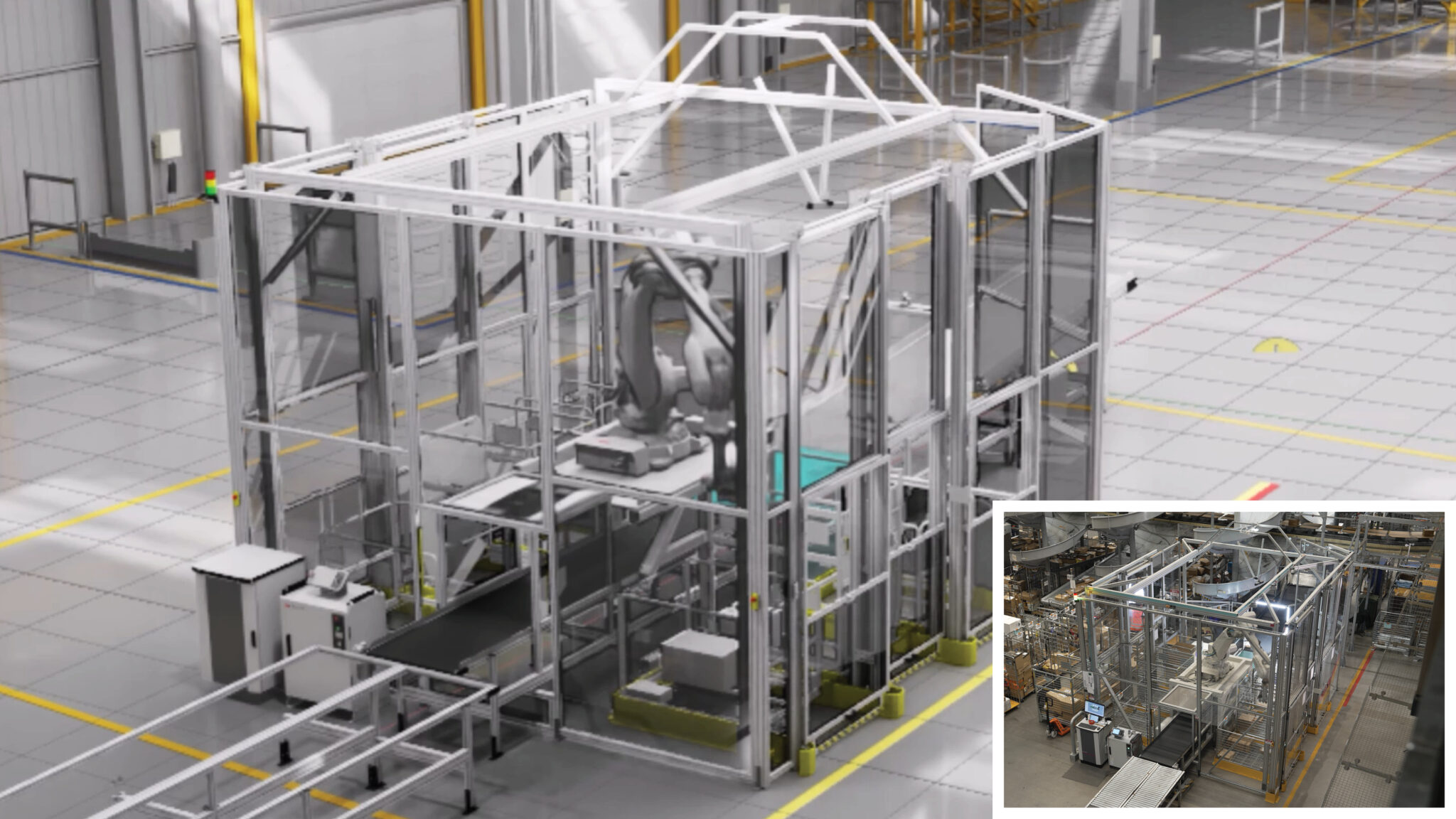
The hardware limits nobody mentions in the polished choreography📷 Photo by Tech&Space
The hardware limits nobody mentions in the polished choreography
Use-case reality is another sticking point. The partnership highlights applications in automotive and electronics, but these sectors already have mature simulation tools. The real test will be in industries with irregular workflows, like food processing or heavy machinery, where custom scripting is the norm. Here, Omniverse’s flexibility could shine—or reveal its limits when confronted with non-standard payloads, unpredictable material properties, or safety certifications that vary by jurisdiction.
Scale-up friction looms largest. Deploying this at scale isn’t just about replicating a demo cell; it’s about integrating it with legacy systems, training maintenance teams, and ensuring compliance with local regulations. A 40% cost reduction sounds transformative, but it’s a headline number. The fine print likely includes caveats about hardware refresh cycles, software licensing, and the need for specialized AI talent—resources most factories don’t have in abundance.
The real bottleneck may not be where the marketing points. Omniverse’s strength lies in its ability to simulate complex physics, but industrial robotics often prioritizes reliability over realism. A welding robot doesn’t need Hollywood-level graphics; it needs to repeat the same 3mm weld 10,000 times without error. The demo’s wow factor clashes with the factory’s need for predictability. For now, the partnership is a proof of concept, not a product.
Can this actually scale beyond tier-one manufacturers, or will it become another shelfware simulation, admired in press releases but ignored on the shop floor?