
Moon bases need room to grow—literally. Here’s the bet on it.
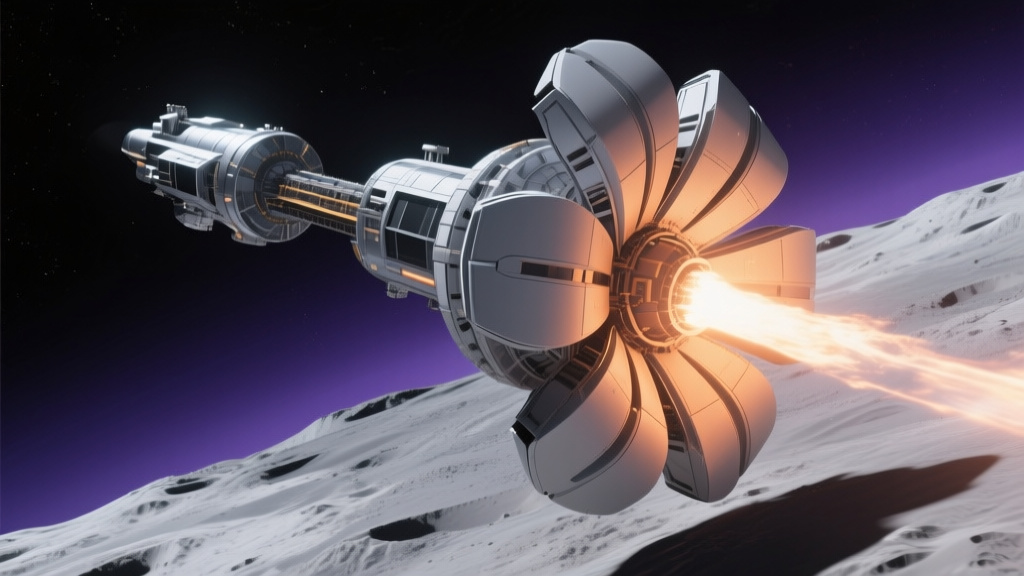
Moon bases need room to grow—literally. Here’s the bet on it.📷 Published: Mar 17, 2026 at 12:00 UTC
- ★Voyager’s multi-million bet on expandable lunar habitats
- ★Artemis timeline demands lightweight, scalable moon bases
- ★Expandables: proven in orbit, untested on the lunar surface
The moon’s surface isn’t just barren; it’s expensive. Every kilogram launched to lunar orbit costs tens of thousands in fuel and logistics, and NASA’s Artemis program—which aims for sustained human presence by the 2030s—faces a blunt math problem: rigid habitats are heavy. Too heavy, perhaps, for the long-term vision of a moon base that grows with each mission. This week, Voyager Technologies placed a calculated wager on a solution: a multi-million-dollar investment in Max Space, a developer of expandable lunar modules. The technology isn’t new—expandable habitats like Bigelow Aerospace’s BEAM have been tested on the ISS since 2016—but the moon’s environment is another beast entirely. Radiation, temperature swings, and abrasive regolith demand materials that can flex without failing. The bet hinges on a simple advantage: expandables launch compact, then inflate to full size in situ. For Artemis, that could mean habitats with 2–3x the volume of rigid alternatives for the same launch mass. But the real test isn’t inflation—it’s endurance. "We’re not just building tents," Max Space CEO Aaron Kemmer noted in a 2023 interview. "We’re building structures that have to last a decade in a place that actively tries to destroy them."
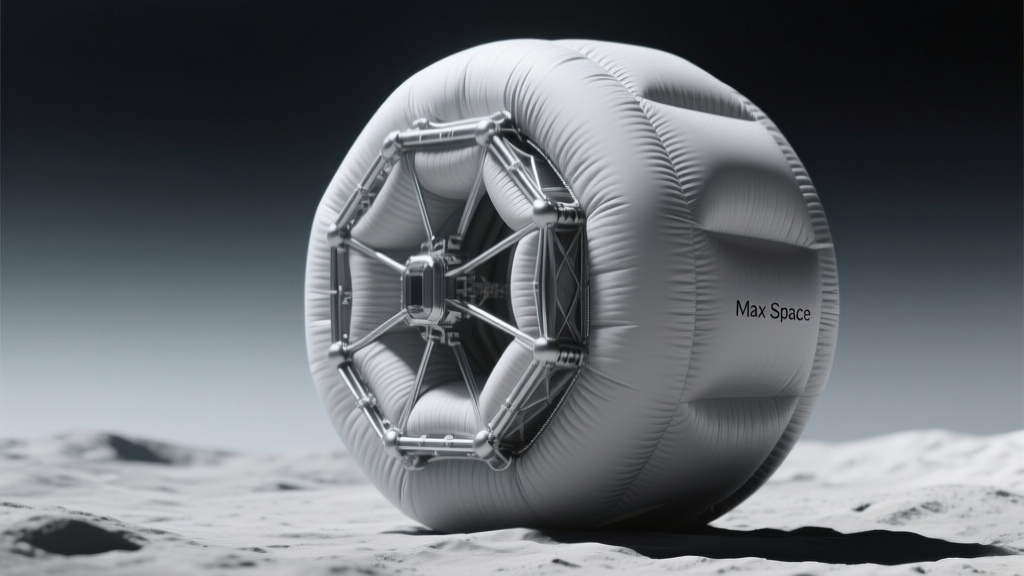
The quiet race to solve NASA’s most practical moon problem: where astronauts will live—and how much it will weigh to get there.📷 Published: Mar 17, 2026 at 12:00 UTC
The quiet race to solve NASA’s most practical moon problem: where astronauts will live—and how much it will weigh to get there.
NASA hasn’t officially selected Max Space for Artemis, but the agency’s NextSTEP-2 program has long signaled interest in expandable designs. The timeline is tight: Artemis III, slated for 2026, will focus on short-term surface stays, but later missions require habitats that can scale. Voyager’s funding accelerates Max Space’s prototype testing, with a goal of delivering a flight-ready module by the late 2020s—just as NASA’s lunar Gateway station begins assembling in orbit. The scientific stakes are quieter than a rocket launch but no less critical. A habitable moon base isn’t just about shelter; it’s a prerequisite for research. Geologists need labs to analyze samples in real time. Biologists require controlled environments to study how lunar gravity affects human physiology. If expandables can’t meet those needs, the alternative is fewer missions—or smaller ambitions. What we don’t yet know: how these modules will interact with lunar dust, which clings electrostatically and degrades seals over time. Or whether the inflation process, reliable in microgravity, will behave the same in the moon’s 1/6th gravity. Voyager’s investment buys answers faster—but the moon, as always, will have the final say.