
Geely’s 48.4% efficient engine redefines hybrid performance
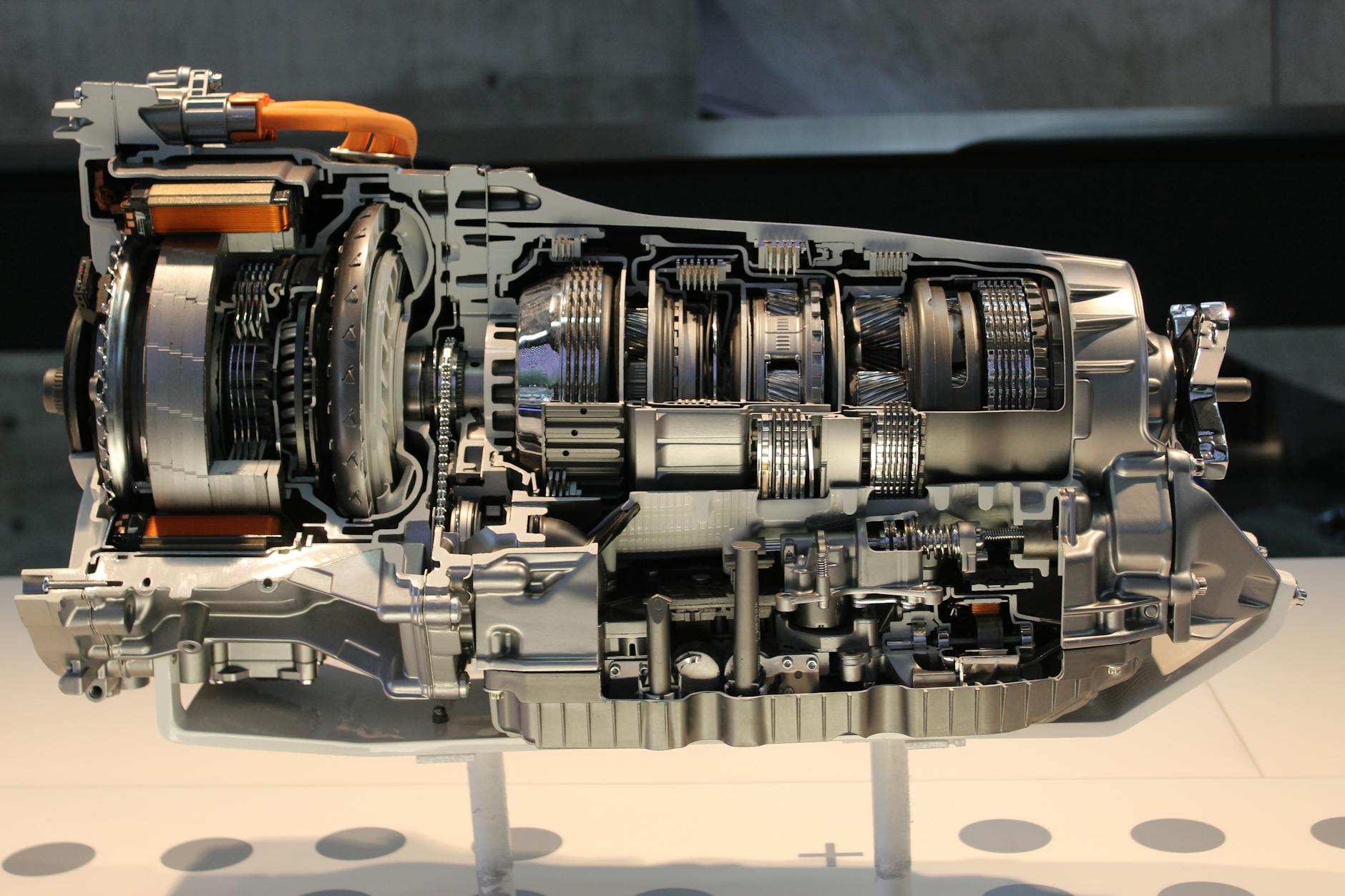
Geely’s 48.4% efficient engine redefines hybrid performance📷 Published: Apr 18, 2026 at 10:23 UTC
- ★48.4% thermal efficiency breakthrough
- ★i-HEV hybrid outperforms Prius baseline
- ★Geely challenges Toyota’s hybrid dominance
Chinese automaker Geely has quietly redefined hybrid efficiency with an internal combustion engine that achieves a thermal efficiency of 48.4%. This figure—among the highest ever recorded for a production powertrain—dwarfs the typical 30-35% efficiency of conventional gasoline engines. The achievement comes from Geely’s i-HEV hybrid system, which the company claims now rivals Toyota’s Prius in fuel economy despite using a fundamentally different approach to electrification.
Geely’s system prioritizes energy recovery and thermal management over brute-force electrification. By fine-tuning combustion timing and exhaust heat utilization, the i-HEV extracts more usable energy from each liter of fuel. Early benchmarks suggest this translates to real-world fuel savings that meet or exceed Toyota’s established benchmark, though Geely has not released side-by-side testing data.
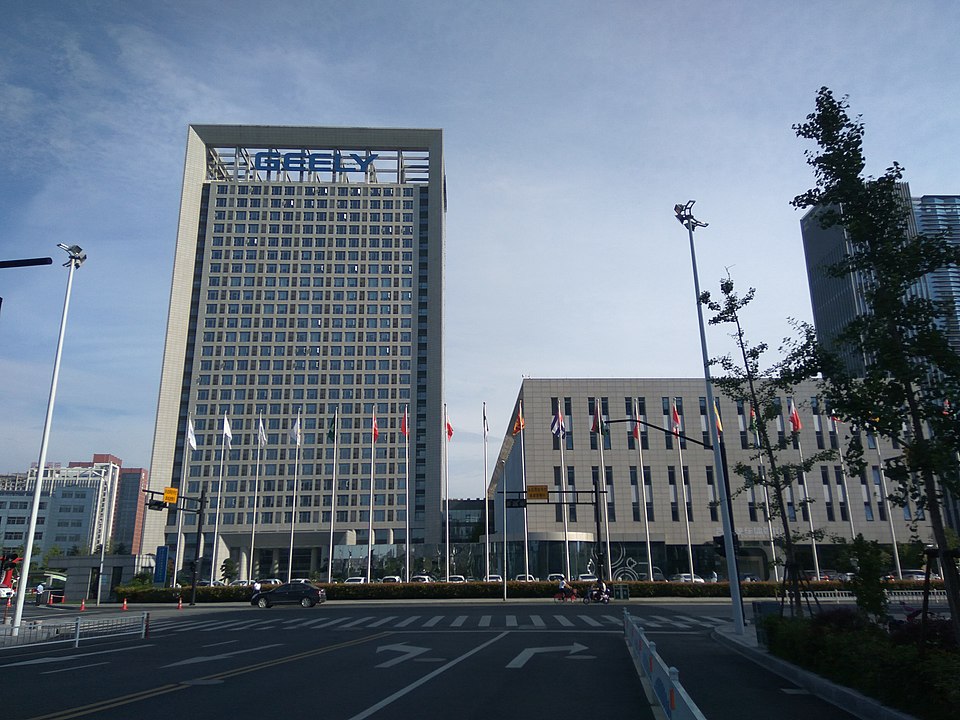
Thermal efficiency leaps past 48% as Geely’s hybrid system redefines real-world fuel savings📷 Published: Apr 18, 2026 at 10:23 UTC
Thermal efficiency leaps past 48% as Geely’s hybrid system redefines real-world fuel savings
The implications extend beyond bragging rights. For consumers, this could mean hybrid vehicles that rely less on expensive battery packs while delivering comparable fuel savings. For competitors, it signals that hybrid innovation doesn’t require full electrification—a potential relief valve amid rising battery material costs. However, achieving 48.4% efficiency in production vehicles remains an outlier, and real-world performance may vary based on driving conditions.
Industry watchers note that Geely’s announcement arrives as European regulators push for stricter emissions standards by 2035. If i-HEV’s efficiency holds up in mass-market applications, it could offer automakers a viable path to comply without fully pivoting to battery-electric vehicles. The question now is whether this breakthrough scales beyond Geely’s current lineup—or remains a technical feat reserved for high-efficiency models.
Will other automakers chase Geely’s efficiency metrics, or will this remain a niche achievement? The answer may hinge on whether consumers and regulators reward partial electrification as aggressively as they do full electric transitions.